



ai-automation
Autonomous Workflows. AI That Runs Operations
Autonomous workflows allow AI to coordinate tasks, decisions, and actions across systems. This shift moves businesses from manual processes to intelligent, self-operating workflows.
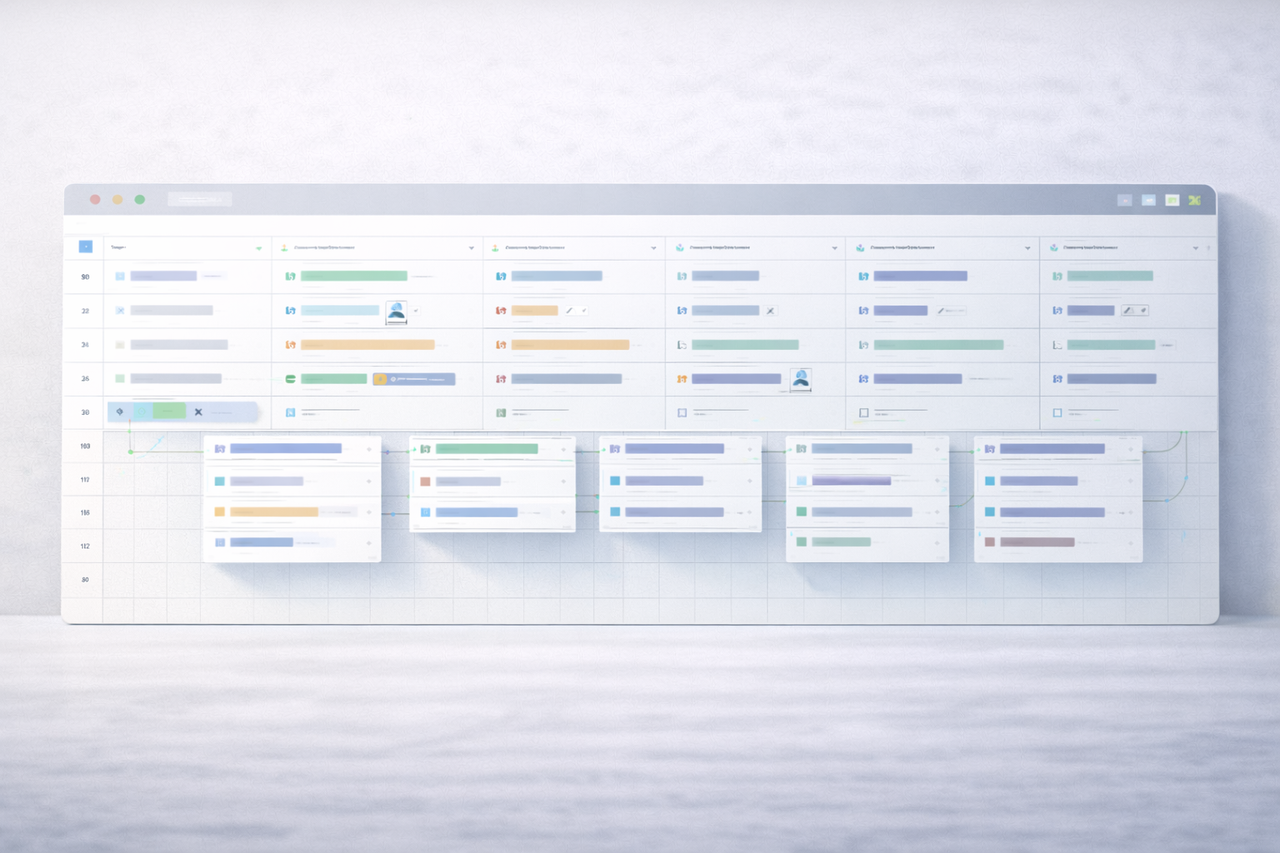
AI agents are not autonomous magic tools. When embedded inside structured operational workflows, AI agents help SMBs execute work faster, more consistently, and with less manual coordination.
AI agents are often described as autonomous systems capable of performing tasks independently.
In practice, many SMBs adopt AI agents and see little operational impact.
The agents produce outputs.
They generate recommendations.
They execute isolated actions.
Yet work still stalls.
Ownership remains unclear.
Decisions are delayed.
Exceptions overwhelm the system.
The reason is not agent capability.
AI agents fail when they operate outside real operational workflows.
AI agents create value only when they are embedded inside how work actually flows.
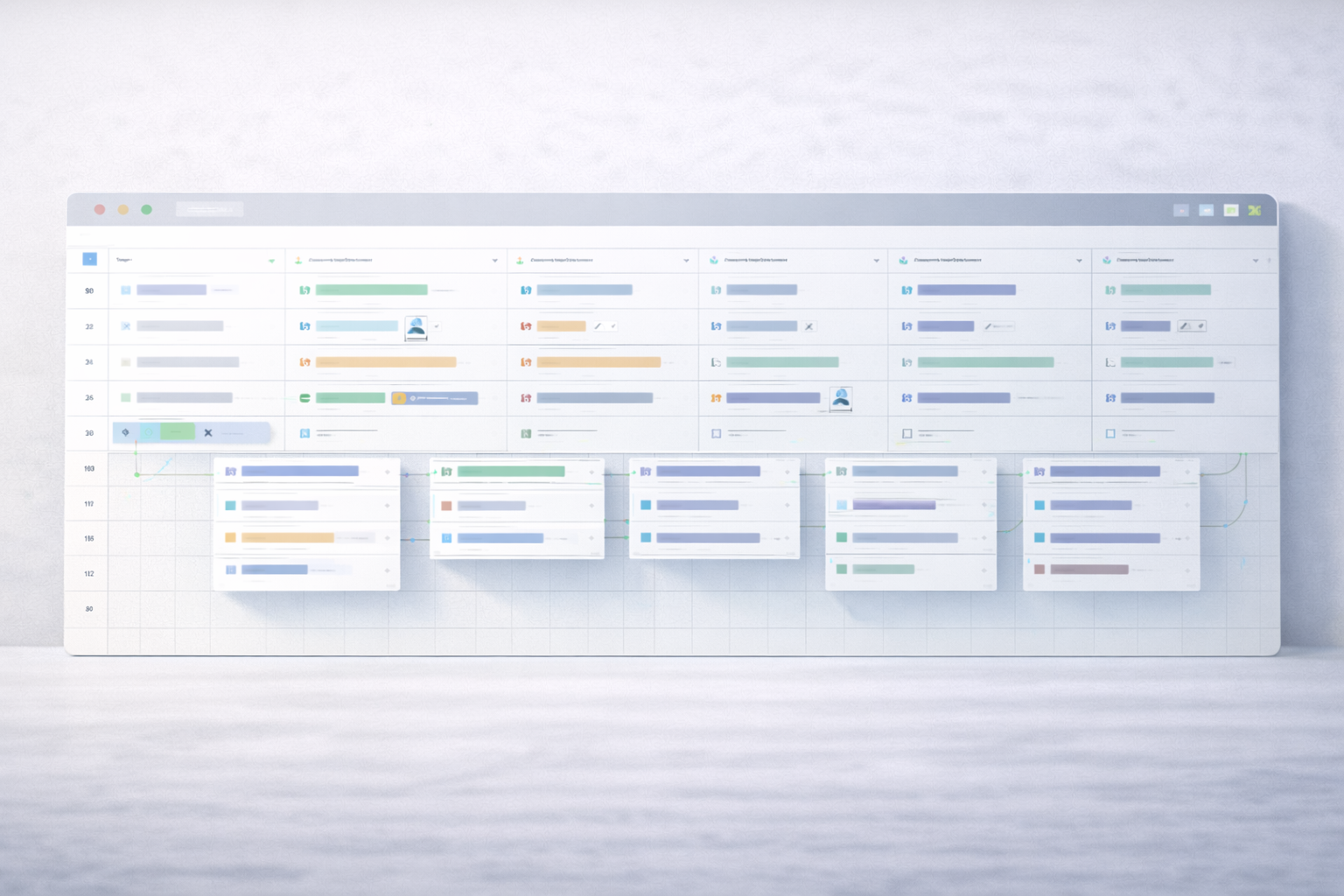
AI agents create operational value when they are embedded inside workflows that drive execution.
AI agents are not independent workers.
In operational contexts, AI agents are:
Decision-support components
Task-routing mechanisms
Execution accelerators
They observe context, apply logic, and trigger actions inside defined workflows.
They do not replace systems.
They operate inside systems.
For a neutral definition of AI agents and their role in applied artificial intelligence, see:
https://en.wikipedia.org/wiki/Intelligent_agent
Every business workflow answers five questions:
What triggers the work?
Who owns it?
What decisions are required?
What happens next?
How are exceptions handled?
Without clear answers, AI agents have nothing to operate on.
They can produce output, but they cannot move work forward.
Operational workflows provide:
Structure
Ownership
Boundaries
AI agents depend on these elements to function reliably.
When embedded correctly, AI agents perform specific operational roles:
Classifying inputs
Prioritizing tasks
Routing work to the right owner
Supporting decision points
Triggering automation steps
Each action is constrained by workflow logic.
The agent does not decide what the business wants.
It executes within the system the business has designed.
This is the difference between intelligence and execution.
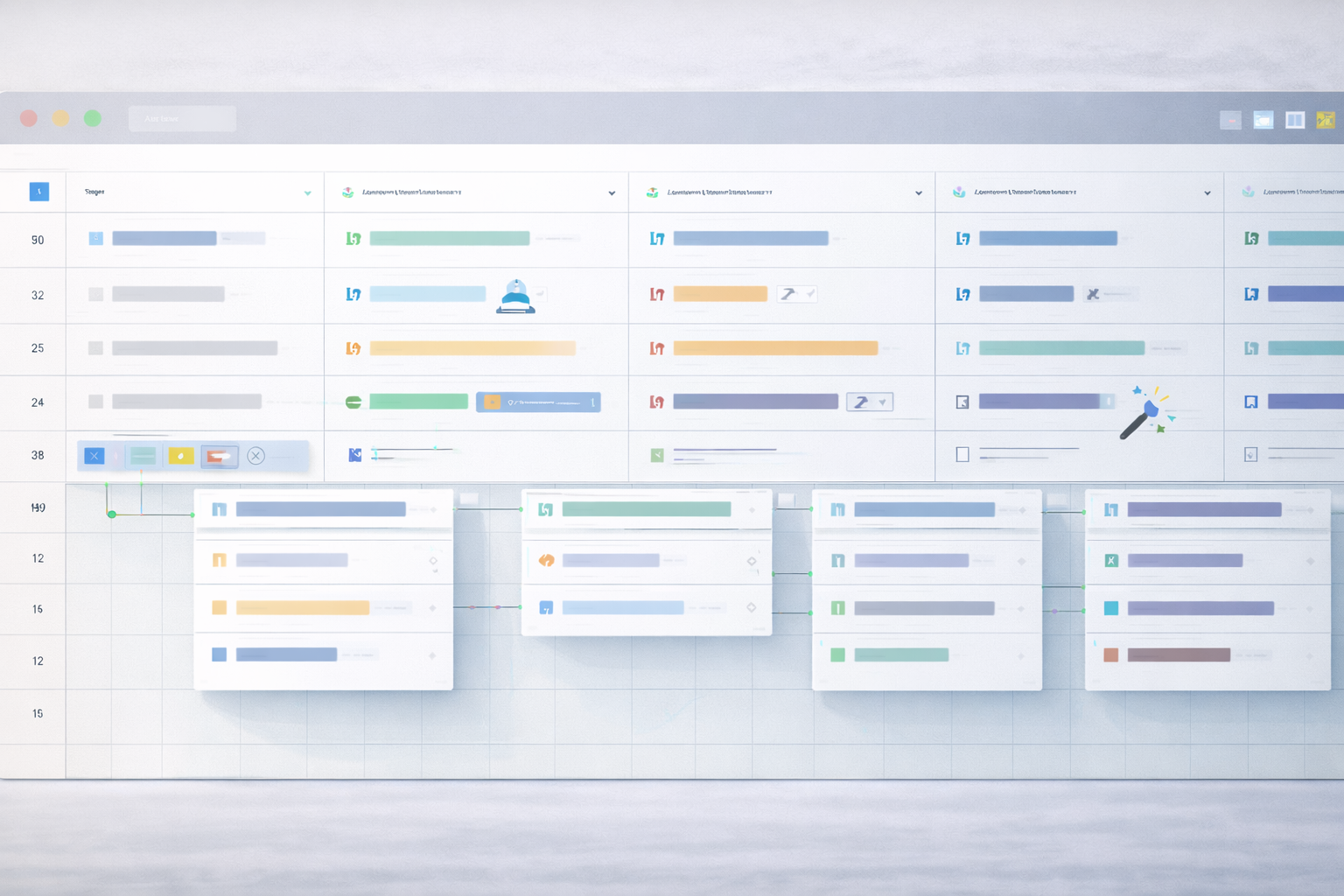
AI agents support execution by assisting decisions at key points inside operational workflows.
Standalone automation follows predefined rules.
AI agents add adaptability, but only within structure.
Predictable
Rigid
Breaks on edge cases
Flexible
Unpredictable
Difficult to govern
Adaptive
Explainable
Governable
Digital transformation requires the third scenario.
SMBs face operational constraints that make uncontrolled AI risky.
Lean teams
Limited oversight capacity
High dependency on individuals
AI workflow agents help by:
Reducing manual triage
Preserving institutional logic
Supporting consistent execution
They act as operational assistants, not autonomous operators.
This distinction is critical for trust and scalability.
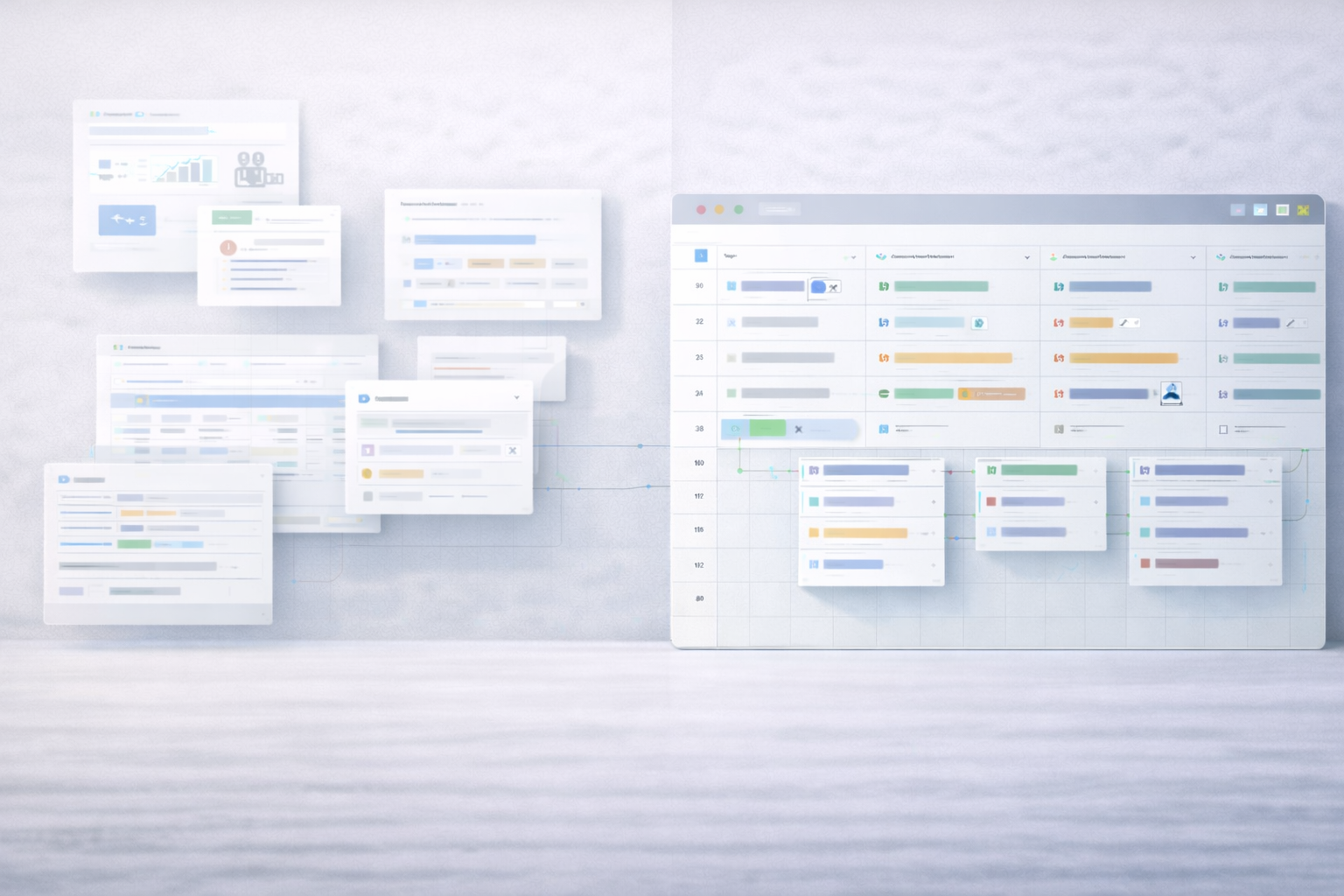
AI agents without workflow context generate outputs, while embedded AI agents move work forward.
AI agents should never operate in isolation.
They must be:
Bound to workflow stages
Limited by defined permissions
Observable in execution
Execution-bound agents:
Trigger actions transparently
Escalate exceptions
Support humans instead of replacing them
This prevents AI from becoming an opaque decision-maker.
AI agents are most effective when they are part of a broader execution layer that includes:
Structured workflows
Automation logic
Clear ownership
Measurable outcomes
In this context, agents accelerate execution rather than fragmenting it.
This aligns with how digital transformation actually succeeds.
Operational AI agents require platforms where:
Workflows are explicit
Data is structured
Automation is visible
Actions are auditable
Without this foundation, agents operate blindly.
This is why AI agents should be introduced after workflows are defined, not before.
At Singular Innovation, AI agents are implemented only inside operational workflows.
The approach is consistent:
Map real workflows
Define decision points
Introduce automation
Embed AI agents to reduce friction
This ensures AI agents improve execution instead of creating new complexity.
Learn more at:
https://www.singular-innovation.com/
Explore partners aligned with execution-first AI adoption at:
https://www.singular-innovation.com/partners
See real operational systems using AI agents at:
https://www.singular-innovation.com/success-stories
They cannot.
They execute tasks inside systems. They do not define strategy or ownership.
Unbounded autonomy increases operational risk.
Control and visibility matter more than independence.
They require workflow design.
Without it, agents produce noise, not outcomes.
AI agents are not a shortcut to digital transformation.
They are operational components that:
Execute decisions
Support workflows
Reduce friction
When embedded inside real operational workflows, AI agents help SMBs scale execution safely.
Without workflows, AI agents have nowhere to operate.
If your AI agents generate outputs but execution still stalls, the problem is likely structural.
Schedule a discovery call to evaluate how AI agents can operate inside real workflows and deliver measurable operational outcomes.
This article was developed with the assistance of AI tools and reviewed by the Singular Innovation team for accuracy and context.
Autonomous workflows allow AI to coordinate tasks, decisions, and actions across systems. This shift moves businesses from manual processes to intelligent, self-operating workflows.

LLMs are powerful, but prompts alone do not create business impact. Real value comes from embedding LLMs into workflows that connect data, decisions, and actions across systems.
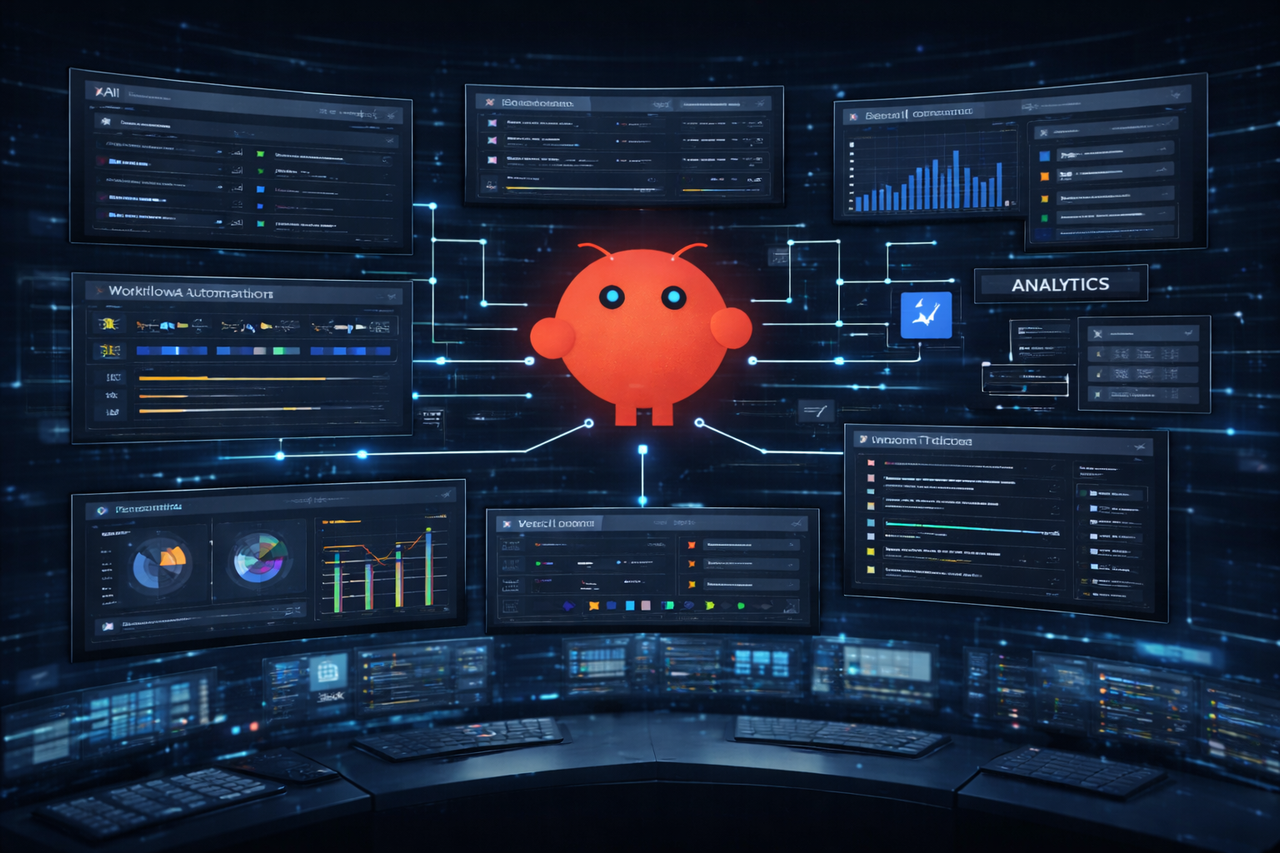
Most companies operate across disconnected tools. AI automation engines like OpenClaw unify systems, workflows, and data into one operational layer, enabling real automation, faster execution, and better decisions.


