



ai-automation
Autonomous Workflows. AI That Runs Operations
Autonomous workflows allow AI to coordinate tasks, decisions, and actions across systems. This shift moves businesses from manual processes to intelligent, self-operating workflows.
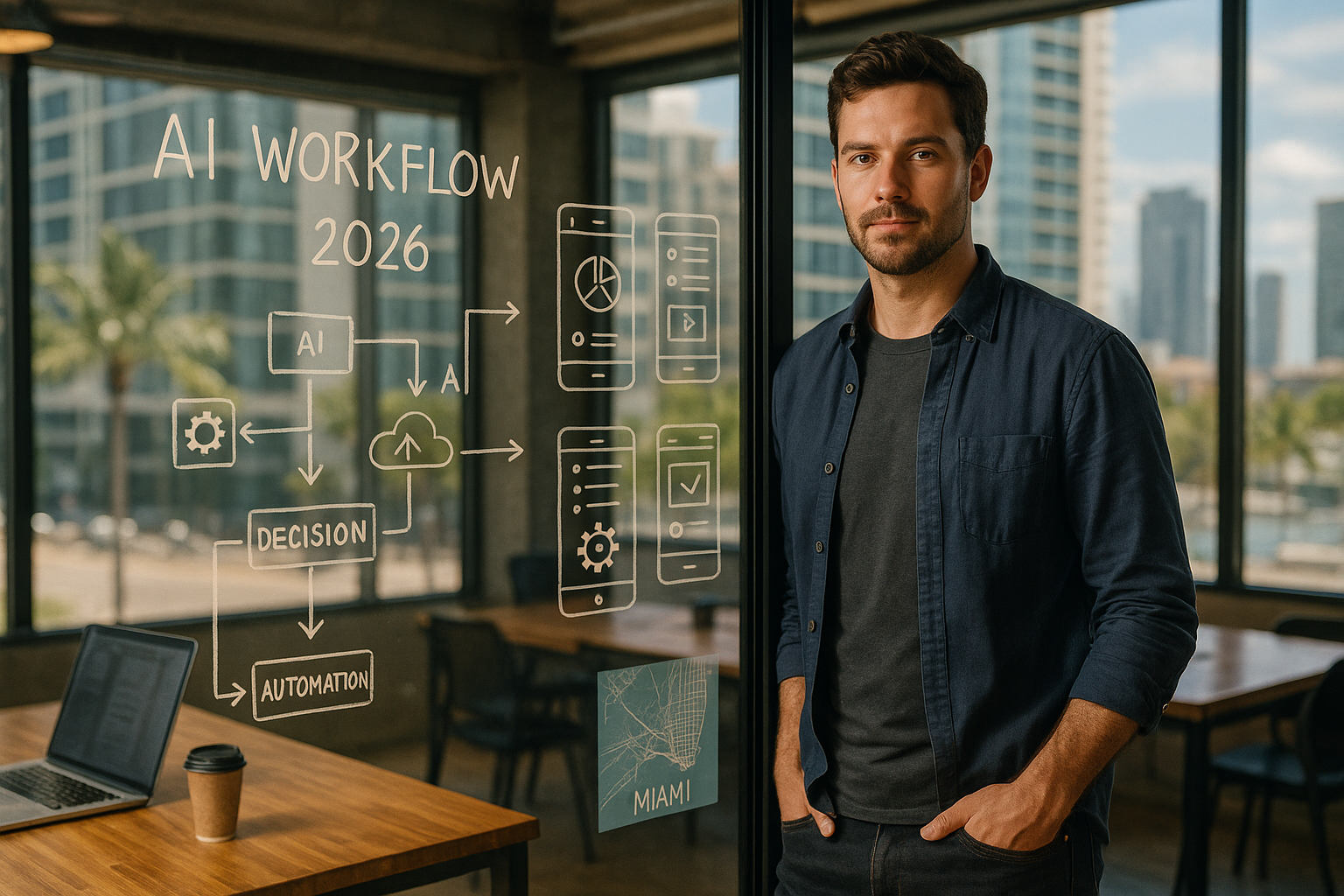
U.S. SMBs are accelerating growth in 2026 using AI‑driven workflows built with no-code tools and strategic automation.
As 2026 approaches, U.S. SMB founders are shifting from reactive operations to proactive automation. Singular Innovation is leading this shift—powering Startup AI USA ecosystems and rolling out No‑Code AI workflow strategies that reshape how small businesses operate. In hubs like Miami, Austin, and San Diego, SMBs are adopting intelligent automation to cut costs, reclaim time, and stay competitive.
In this article, you’ll get a clear playbook for building AI‑driven workflows in your business—without needing a dev team—and how to turn your operations into a strategic advantage for 2026.
Low-code and no-code platforms are projected to power 75% of new applications by 2026, as organizations demand speed and flexibility.
In parallel, SMBs investing in smart tech see measurable growth. A Forbes article discusses how AI is fueling small business growth:
“AI‑powered technology is fueling small business growth by improving efficiency, enabling hybrid work, and personalizing experiences.” Forbes
What this means: AI workflows are no longer optional—they are essential to compete.
In 2026, workflows built with AI are more than simple automations—they encode business logic, strategy, and continuous intelligence. They orchestrate onboarding, upsells, support, retention, and decisioning in near real-time.
Your AI workflow is composed of four interconnected layers:
When assembled properly, these systems operate as autonomous business logic engines that grow with your company.
This agency was overwhelmed by manual lead sorting and delayed follow-up. By late 2025, they designed an AI workflow:
Projected 2026 Outcomes:
Their processes were constrained—manual order tracking, support replies, and inventory management. Their 2026 AI workflow:
Results:
These are transformations that Singular Innovation regularly designs and executes for U.S. SMBs seeking to scale.
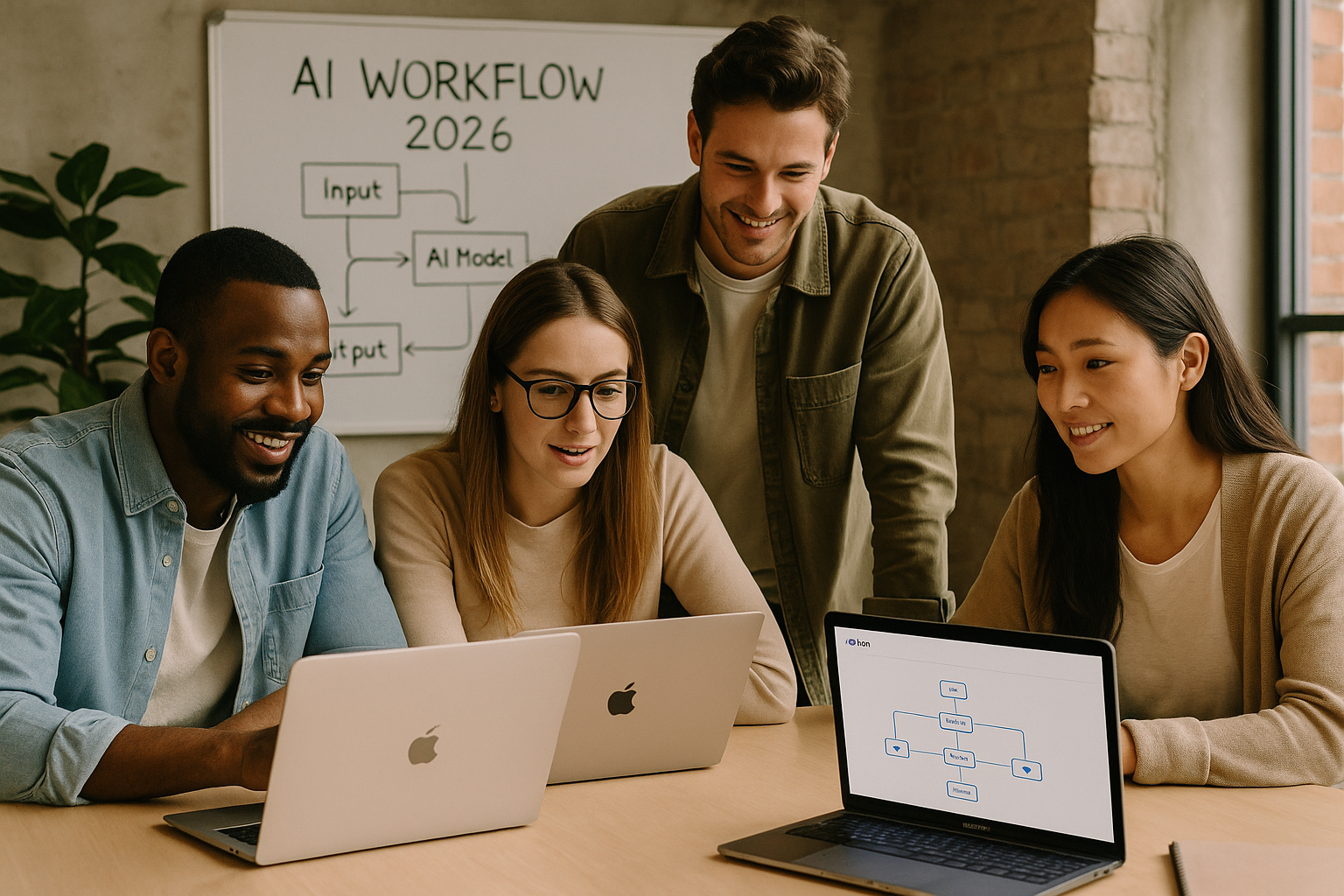
Choose 1–2 mission-critical flows (e.g. lead automation, onboarding, retention).
Use a visual flow map to define triggers, decisions, actions, and fallbacks.
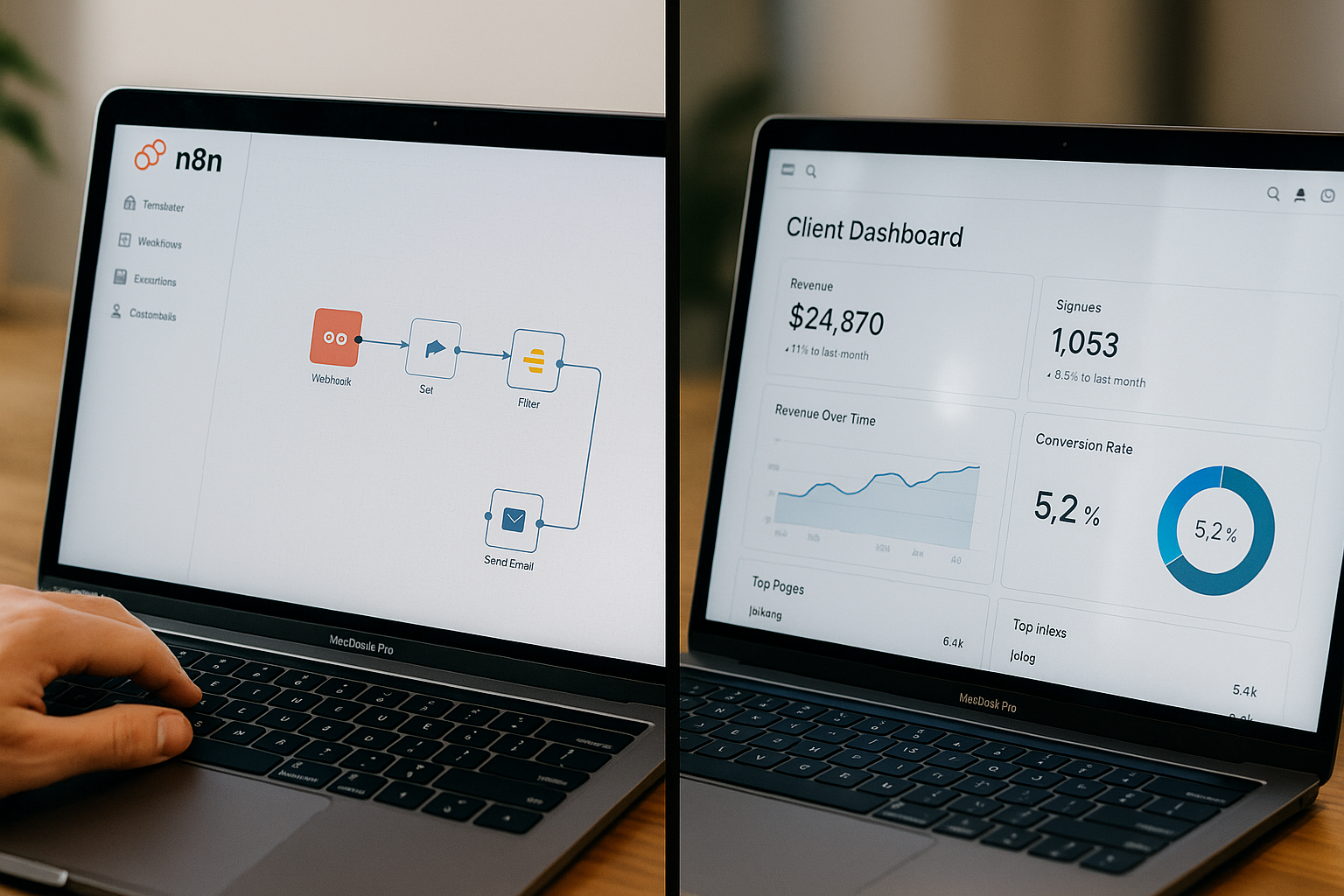
Pick a no-code DB (e.g. Airtable), automation engine (e.g. n8n), AI layer, and connectors.
Test with a small batch of data. Observe behavior and adjust logic or thresholds.
Add modules such as upsell, retention flows, cross-channel sync.
Track metrics like speed, conversion, accuracy, time saved, ROI.
Whenever you're uncertain, Schedule a free strategy call with Singular Innovation to fast-track your architecture and deployment.
1. Do I need coding skills?
No. You can build full workflows using visual builders and logic flows in no-code tools.
2. Are AI workflows safe for SMBs?
Yes, when designed with roles, logging, validation, fallback layers.
3. What sectors benefit most?
Any operations-heavy SMB—consulting, e-commerce, agencies, services—can benefit.
4. How fast can I launch a workflow in 2026?
You can launch a minimal viable workflow in 1–3 weeks.
5. What ROI can I expect?
Expect 2× to 5× improvements in throughput and 50–80% time savings in repetitive tasks.
6. What if AI makes a mistake?
Design with human checks/fallback paths for early versions. You can scale to more autonomy later.
By 2026, the winning SMBs in the U.S. won’t be those with the largest teams, but those with the smartest systems. You already have the ideas and ambition—now it’s time to automate intelligently. With Singular Innovation by your side, you can build workflows that run like growth engines. Act today, automate tomorrow.
Ready to design your AI workflow? Schedule a strategy call with Singular Innovation and let’s forge your competitive edge for 2026.
Autonomous workflows allow AI to coordinate tasks, decisions, and actions across systems. This shift moves businesses from manual processes to intelligent, self-operating workflows.
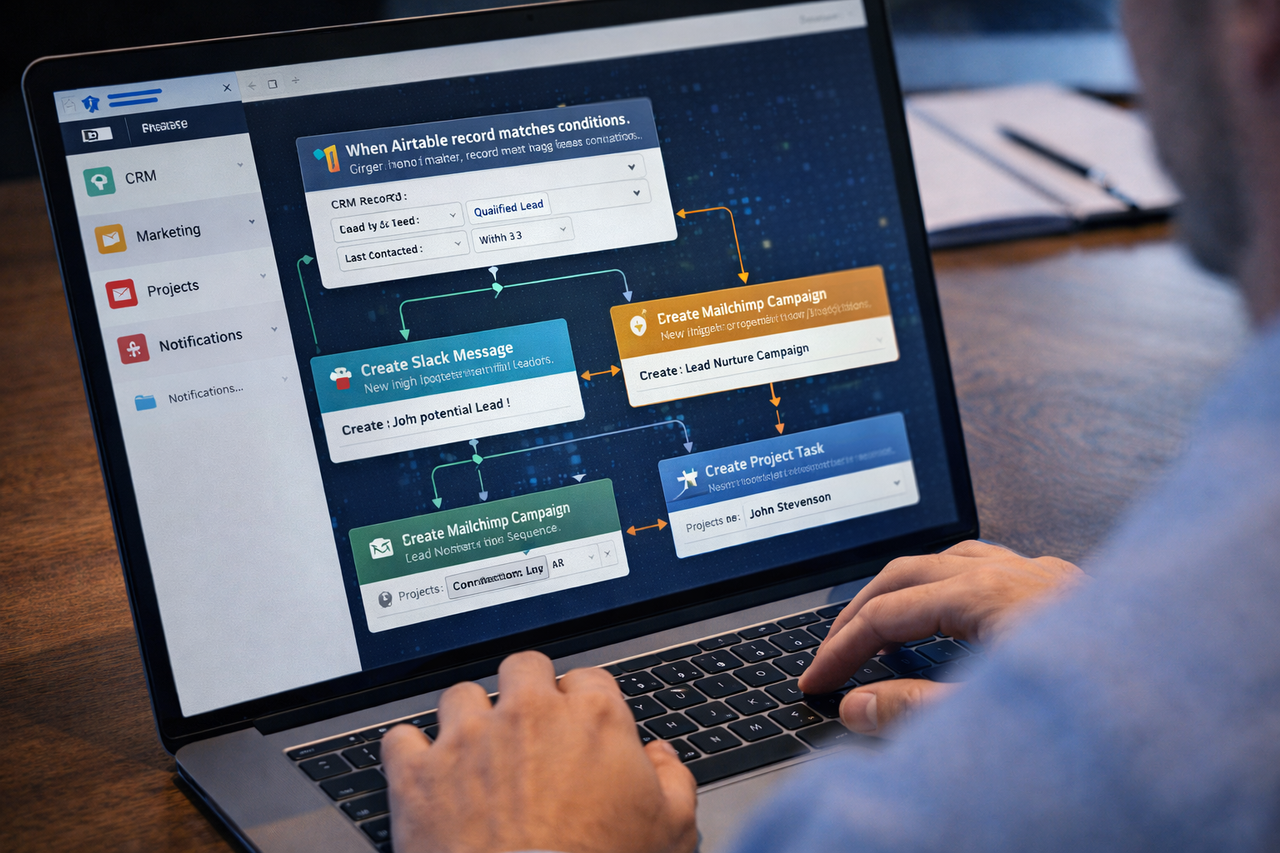
SMBs can now build AI workflows without engineering teams. No-code platforms like Airtable Omni allow companies to connect apps, automate processes, and deploy AI agents that manage operations across their digital systems.
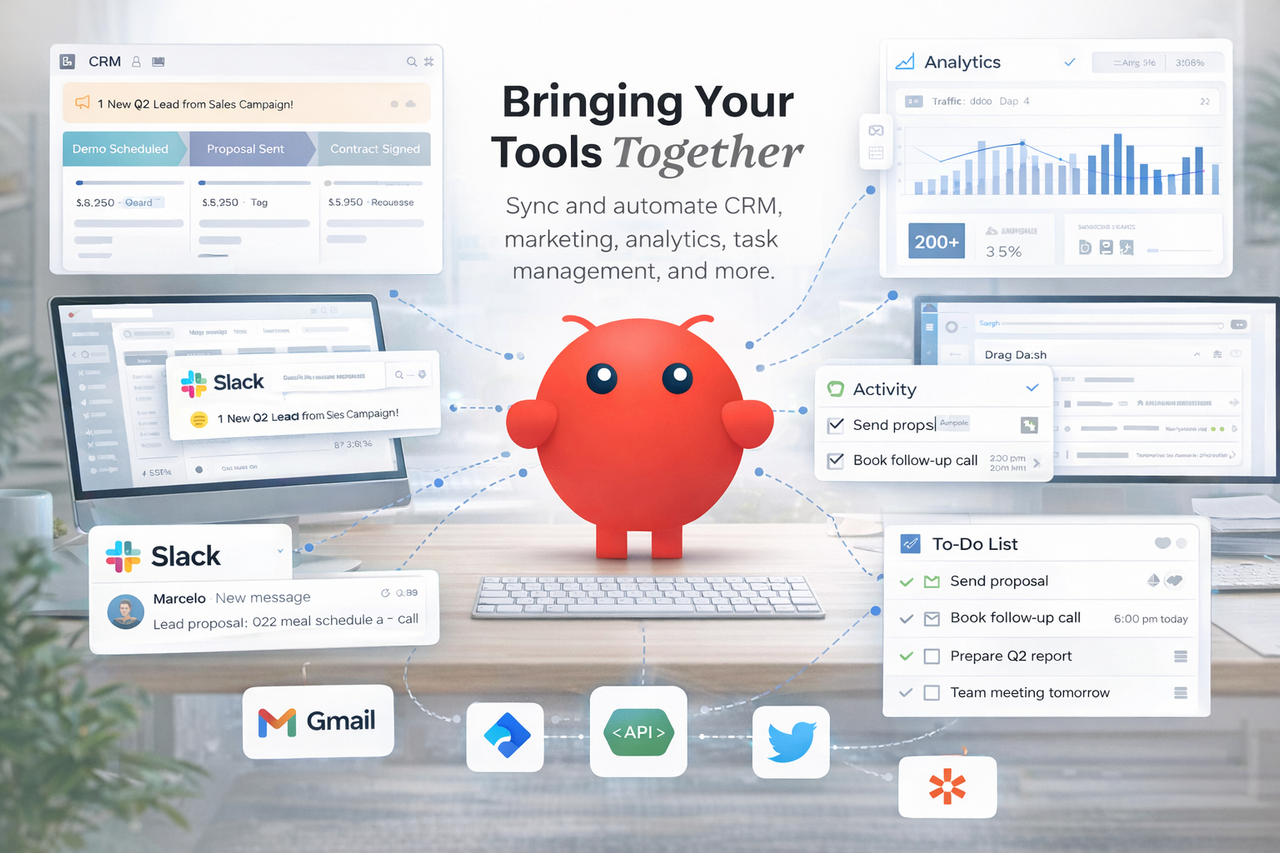
OpenClaw functions as a Second Brain and Agent OS for businesses, coordinating workflows, automating processes, and connecting operational systems into a unified AI-powered infrastructure.


