
ai-automation
Autonomous Workflows. AI That Runs Operations
Autonomous workflows allow AI to coordinate tasks, decisions, and actions across systems. This shift moves businesses from manual processes to intelligent, self-operating workflows.

Discover why Airtable is a top CRM in 2025—relational database, powerful automations, flexible views, and mobile-friendly interface. Ideal for teams seeking a customizable, no-code CRM solution.
Discover our in-depth Airtable Review 2025 to see if this CRM tool boosts productivity, offers seamless collaboration, and delivers a 30% efficiency increase.
Choosing the right Customer Relationship Management (CRM) tool is a crucial decision for any modern business. With so many platforms offering a variety of features, standing out in the crowded CRM landscape requires innovation, flexibility, and user-friendliness. Airtable, known initially as a no-code database solution, has rapidly evolved into a powerful CRM option that combines the simplicity of spreadsheets with the robustness of a relational database.
As more companies adopt hybrid work models and demand seamless data flow, tools like Airtable offer an edge. In this blog, we’ll break down Airtable’s most impactful CRM features, explore its user experience, and help you decide if it’s the right fit for your team.
Related reading: Why Agencies Are Switching to Airtable
Unlike many CRM tools that treat data as isolated lists, Airtable’s relational database structure allows you to connect records across tables. For example, you can link a contact to multiple deals or associate tasks with specific clients. This relational approach means you can build complex workflows and get richer insights without jumping between different apps.
Airtable offers multiple ways to visualize your data. Whether you prefer a grid view similar to spreadsheets, a Kanban board for managing sales pipelines, a calendar for tracking follow-ups, or a gallery for showcasing client profiles, Airtable has you covered. This flexibility helps teams work in the style that suits them best.
In 2025, automation is a must-have for any CRM, and Airtable delivers with its built-in automation features. You can set up triggers to send notifications, update records, or create new tasks based on specific actions. Plus, Airtable integrates with hundreds of apps via Zapier, Integromat (now Make), and native connectors, allowing seamless data flow across your tech stack.
CRM is all about teamwork, and Airtable supports collaboration with real-time editing, commenting, and @mentions. You can control permissions at the base or table level, ensuring sensitive information stays secure while keeping everyone on the same page.

Airtable’s user interface is clean, modern, and intuitive, especially for those familiar with spreadsheets. The learning curve is gentle for basic tasks, but mastering the platform’s full potential takes some time.
For new users, Airtable offers a variety of templates tailored to CRM needs, such as sales pipelines, customer tracking, and event planning. These templates provide a helpful starting point, reducing the setup time and guiding users through best practices.
That said, the true power of Airtable lies in customization. Users who invest time in tailoring fields, views, and automations will unlock a highly efficient CRM system. For teams without a dedicated admin or power user, this might require some training or outside help.

In 2025, mobile access is crucial for sales teams on the go. Airtable’s mobile app is robust, offering most desktop features in a streamlined format. You can update records, check dashboards, and communicate with teammates from anywhere, which is a big plus for remote or field-based teams.
While Airtable shines in CRM, its value extends far beyond sales and marketing. Its flexibility makes it an ideal solution for cross-functional teams, including product management, HR, and operations. Whether you're building a hiring pipeline or managing product roadmaps, the platform adapts to your structure—not the other way around.
Teams can start small with a simple base and scale to enterprise-level functionality. The ability to link data across workspaces and customize user permissions means Airtable can grow with your business.
Security is a top priority, especially when handling sensitive client data. Airtable offers granular permission controls at the workspace, base, and table levels. Admins can manage who sees what, ensuring information is shared appropriately. Advanced security features like two-factor authentication and SSO (Single Sign-On) are also available for enterprise clients.
Airtable offers a freemium model that’s quite generous for individuals and small teams. As your team grows, pricing tiers provide access to advanced features, greater record limits, and premium support. Considering its versatility and potential to consolidate several tools into one, Airtable presents strong ROI for businesses that take full advantage of its capabilities.

If you're searching for a modern, flexible, and scalable CRM that blends simplicity with powerful features, Airtable is well worth a trial. It's particularly well-suited for teams that value customization, collaboration, and data visualization.
From relational databases to mobile usability, Airtable meets the demands of 2025’s digital-first work culture. While it may require a learning curve for those new to no-code tools, the payoff is a highly adaptable system that molds itself around your workflow.
Try Airtable today and discover a CRM that adapts to you—not the other way around. Sign up for a free trial and explore how Airtable can elevate your sales, operations, and collaboration workflows.
Looking for tailored setup or CRM integration support? Schedule a Call with us today and take the first step towards a smarter, faster, and more efficient business landscape.
Autonomous workflows allow AI to coordinate tasks, decisions, and actions across systems. This shift moves businesses from manual processes to intelligent, self-operating workflows.
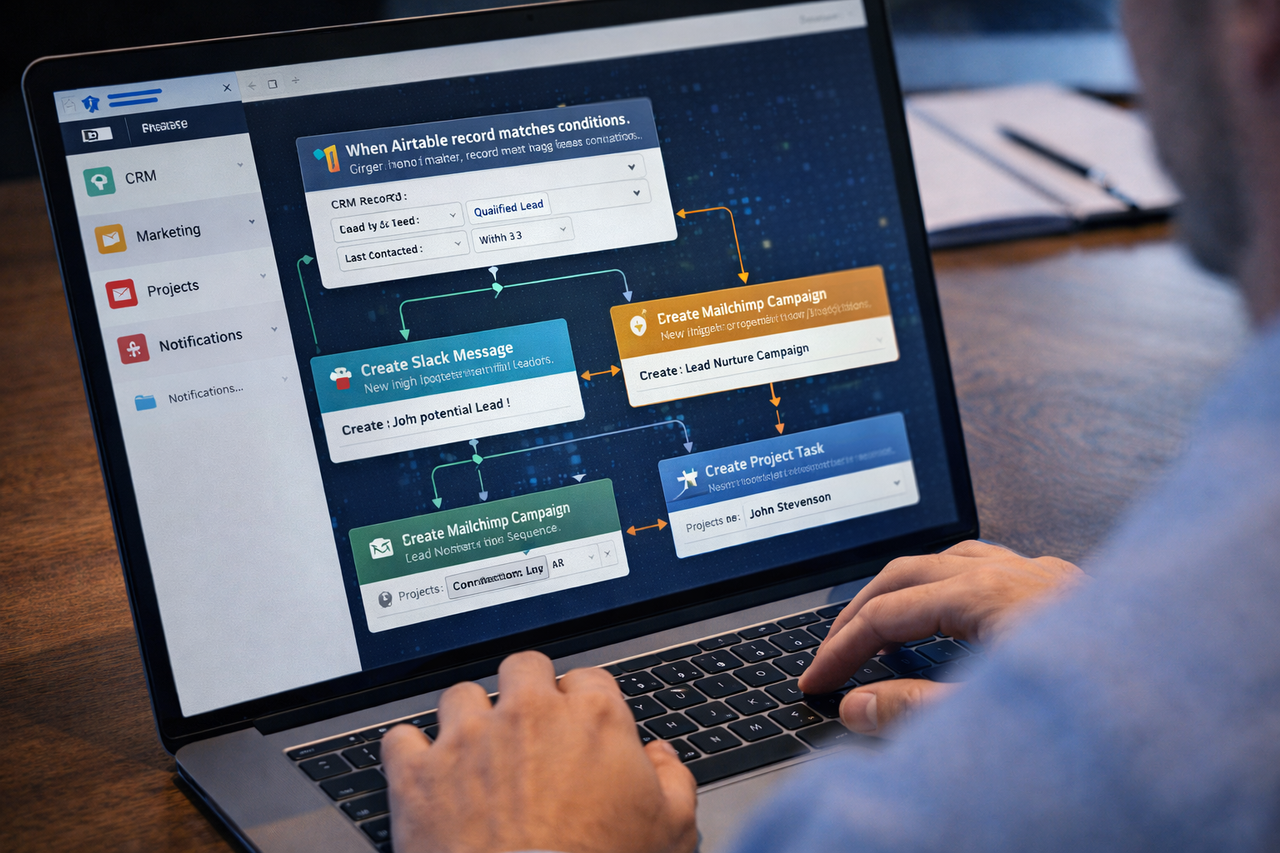
SMBs can now build AI workflows without engineering teams. No-code platforms like Airtable Omni allow companies to connect apps, automate processes, and deploy AI agents that manage operations across their digital systems.
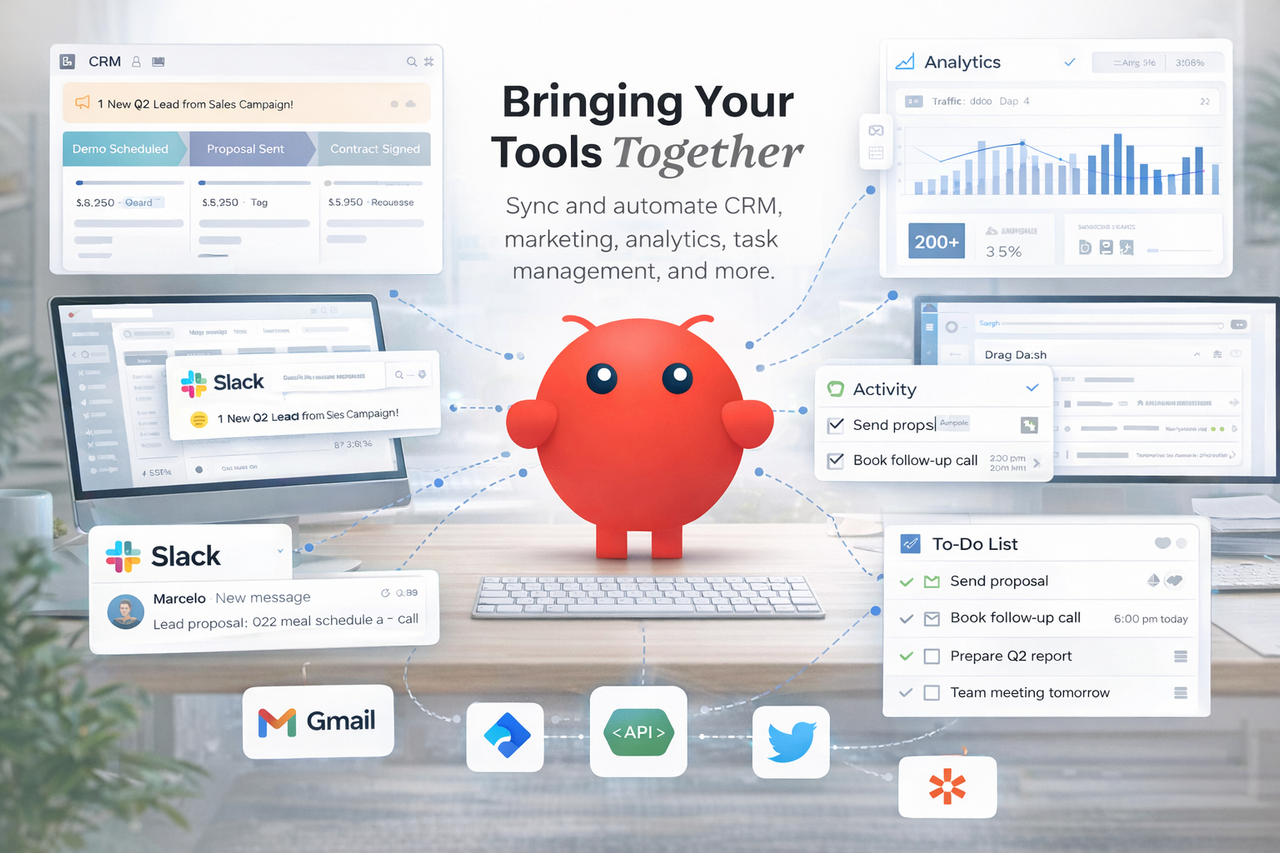
OpenClaw functions as a Second Brain and Agent OS for businesses, coordinating workflows, automating processes, and connecting operational systems into a unified AI-powered infrastructure.


