



ai-automation
Autonomous Workflows. AI That Runs Operations
Autonomous workflows allow AI to coordinate tasks, decisions, and actions across systems. This shift moves businesses from manual processes to intelligent, self-operating workflows.

In fast‑moving U.S. markets like New York, Austin and San Francisco, SMBs thrive by setting a clear Minimum Level of Engagement (MLE). This strategic threshold ensures viable economics, pricing clarity and sustainable 30%+ margins.

For founders and startup teams operating in dynamic metros like New York City, Los Angeles or suburban growth hubs such as Austin or Atlanta, scaling fast often feels like the only option. But real success isn’t just about doing more—it’s about doing enough. That “enough” often reveals itself through a strategic threshold: the minimum level of engagement. It's more than a buzzword. For SMBs and early‑stage ventures, this concept defines the economic baseline that ensures your business model stays viable, resources are used well, and your growth doesn’t come at the expense of margin or long‑term stability.
In fast‑moving startup ecosystems—from Miami’s tech‑scene to Dallas‑Fort Worth’s expanding suburbs—there’s a tendency to say “yes” to too many smaller projects, discount fees, and exploratory engagements just to keep the pipeline full. But without a clear minimum level of engagement, companies risk eroding profitability, stretching team capacity, and losing strategic focus. For smaller teams especially, each engagement carries the overhead of onboarding, project management, client servicing—even if the fee doesn’t cover talent cost, overhead and margin. The real question becomes: What’s the smallest engagement you can accept and still make it worthwhile?
Establishing a clear threshold helps you anchor pricing, scope and client commitment in a way that supports your business long term—especially if you’re operating where costs and competition are elevated (think New York, San Francisco, Seattle suburbs).
Profit margins matter. For example, net profit margin benchmarks in the U.S. across industries are around ~8.5 %.
For SMBs, anything below ~10 % raises red flags. If you accept engagements below your cost plus your planned margin, you’re creeping toward margin elimination. Having a minimum engagement threshold creates a protective buffer. Also, margin targets like 30 % net margin are cited by service‑providers as foundational to growth and resilience.
How do you implement the minimum level of engagement in practice? Here’s a step‑by‑step strategy tailored for startups and SMBs.
In short: defining your minimum level of engagement is one of the smartest strategic decisions a founder or startup leader can make. Especially if you’re working in high‑impact urban or suburban U.S. markets—from New York to Los Angeles to fast‑growing metro suburbs—this approach will protect your margin, elevate your value, streamline your client portfolio and position your business for sustainable growth.
If you’re ready to level up your engagement strategy, let’s talk. Together, we’ll define your minimum, lock in your value, and build partnerships that last.
Let’s get started—schedule a 30 min discovery call now.
Autonomous workflows allow AI to coordinate tasks, decisions, and actions across systems. This shift moves businesses from manual processes to intelligent, self-operating workflows.

Dashboards show what happened. AI operations systems decide and act on what should happen next. This shift is redefining how companies run their day to day operations.
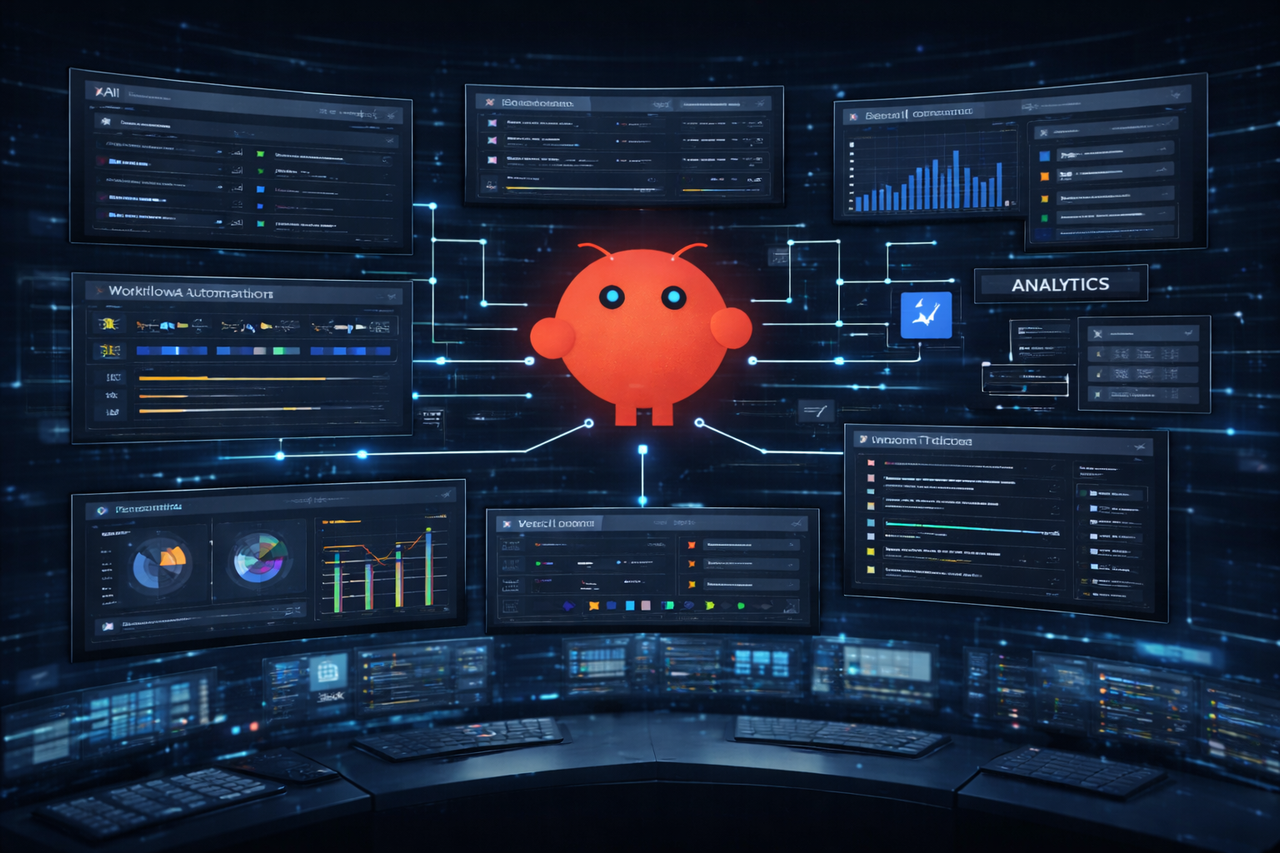
Most companies operate across disconnected tools. AI automation engines like OpenClaw unify systems, workflows, and data into one operational layer, enabling real automation, faster execution, and better decisions.


