



ai-automation
Autonomous Workflows. AI That Runs Operations
Autonomous workflows allow AI to coordinate tasks, decisions, and actions across systems. This shift moves businesses from manual processes to intelligent, self-operating workflows.

U.S. founders are using no-code tools, AI, and expert guidance from Singular Innovation to launch real startups faster. Explore case studies, practical tools, and how automation is transforming small business success in cities across the USA.
In the evolving U.S. startup scene, founders are launching smarter—combining No-Code platforms, AI workflows, and lean operations. Across cities like Miami and Austin, small businesses are skipping code-heavy methods. With expert support from Singular Innovation, these Startup AI USA success stories show how rapid execution beats slow development.
Through approaches rooted in rapid prototyping and data-driven decision-making, startups now can test, iterate, and scale more quickly than ever.
Historically, non-technical entrepreneurs faced major barriers: high development costs, long timelines, and risk of miscommunication with engineering teams. That’s shifting now thanks to tools like Bubble, Glide, and Zapier, which allow real product-building without “traditional code.”
Research confirms this trend: founders increasingly adopt low-code / no-code platforms for prototyping and experimentation. (ResearchGate)
A recent study also shows that no-code is prized for speed, cost savings, and enabling non-technical founders to validate ideas without heavy upfront investment. (ResearchGate)
Consider Formula Bot, which launched using Bubble, Stripe, and email automation, and quickly gained traction with minimal costs.
Or Unqork, the no-code enterprise platform used by New York City to build COVID-19 response portals.
Behind the scenes, Singular Innovation has supported similar launches. In one Airtable case study, Singular helped a growing digital team cut QA times by 50%, enabling a 10x campaign scale—without adding headcount.
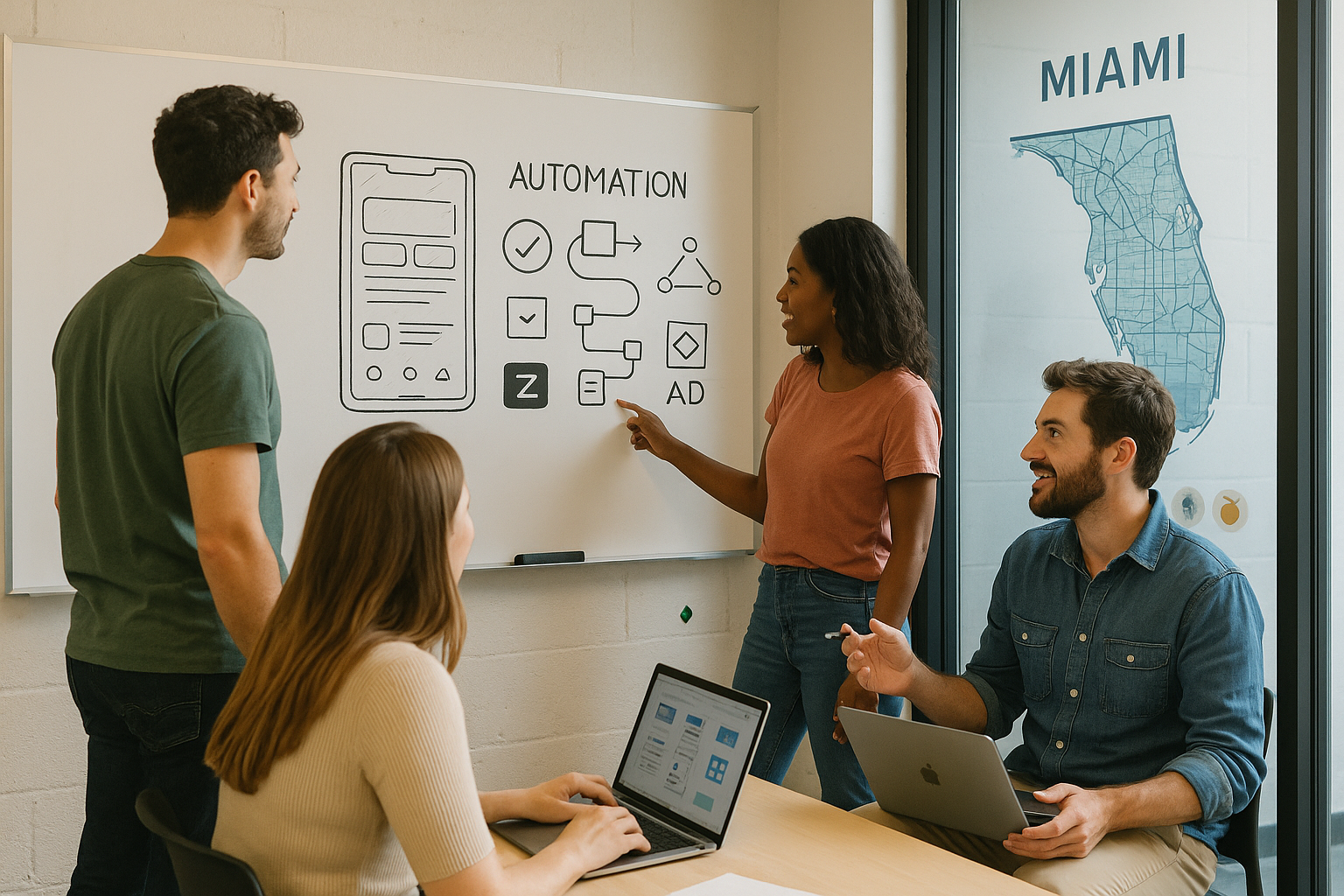
Founders aren’t just operating in hubs like Silicon Valley—innovation is sprouting in places like Tampa, Charlotte, and Phoenix.
Innovation is no longer centralized. The power is in the tools—and the partners guiding you through them.
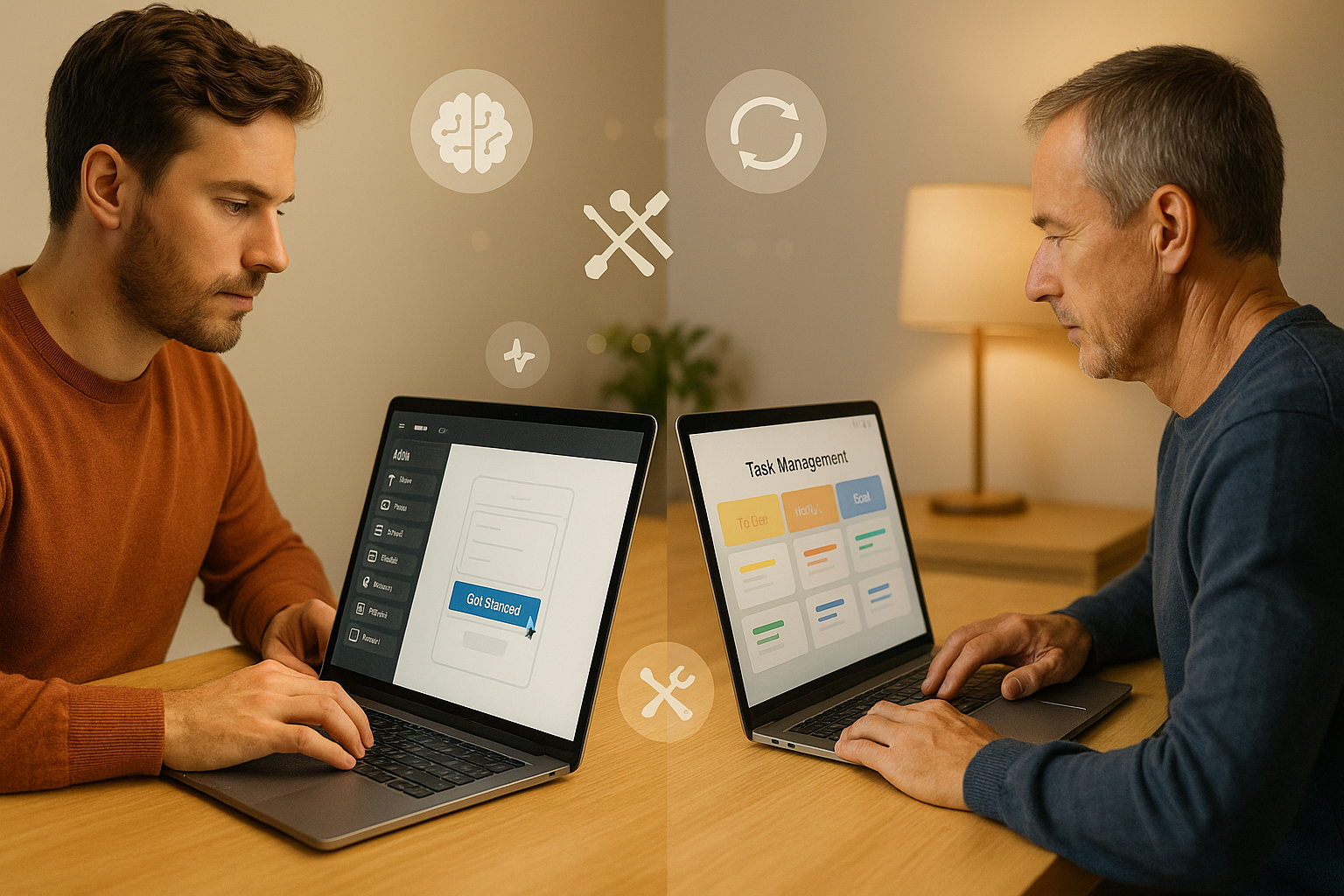
Start with operational bottlenecks, repetitive tasks, or underserved clients. Solving your own pain is the best foundation for a new product.
Knack: No-Code for Non-Technical Teams is another great starting point for business apps.
Start in your city, get your first users, iterate fast, then scale.
Whether you're exploring how to build your first internal tool, automate customer tasks, or test a new product idea—Singular Innovation is ready to help.
We’ll walk through your unique challenges and recommend the ideal AI, no-code, or low-code solution that fits your budget and goals.
👉 Schedule your 30 min free strategy call today – no pressure, just clarity.
Startup success in 2025 isn’t about a perfect product or a huge dev team—it’s about solving real problems for real people. With today’s tools, you can move fast and adapt faster.
Founders from coast to coast are doing it. So can you—with Singular Innovation as your partner.
Absolutely. Many successful U.S. startups have launched MVPs and even scaled using platforms like Glide, Airtable, and Bubble—without writing a single line of code. Explore how Singular Innovation helps non-technical founders
Workflow automation eliminates repetitive tasks—like email follow-ups, lead entry, and calendar scheduling—saving hours every week. Tools like Zapier or Make connect your apps (e.g., Gmail, Slack, CRMs) to act automatically. For small businesses, this means less manual work and more time to focus on growth.
Some of the fastest adopters include:
It depends on:
💡 Best starting point: Book a strategy call with Singular Innovation
Yes—platforms like Bubble, Airtable, and Webflow scale well. Startups often begin with a lean no-code MVP, then upgrade capabilities as they grow.
Definitely. AI can be even more impactful for SMBs with limited teams. From automated client support to instant analytics, these tools unlock capacity without growing headcount.
This article was developed with the assistance of AI tools (e.g., huminize.io) and reviewed by the Singular Innovation team for accuracy and context.
Autonomous workflows allow AI to coordinate tasks, decisions, and actions across systems. This shift moves businesses from manual processes to intelligent, self-operating workflows.

Dashboards show what happened. AI operations systems decide and act on what should happen next. This shift is redefining how companies run their day to day operations.
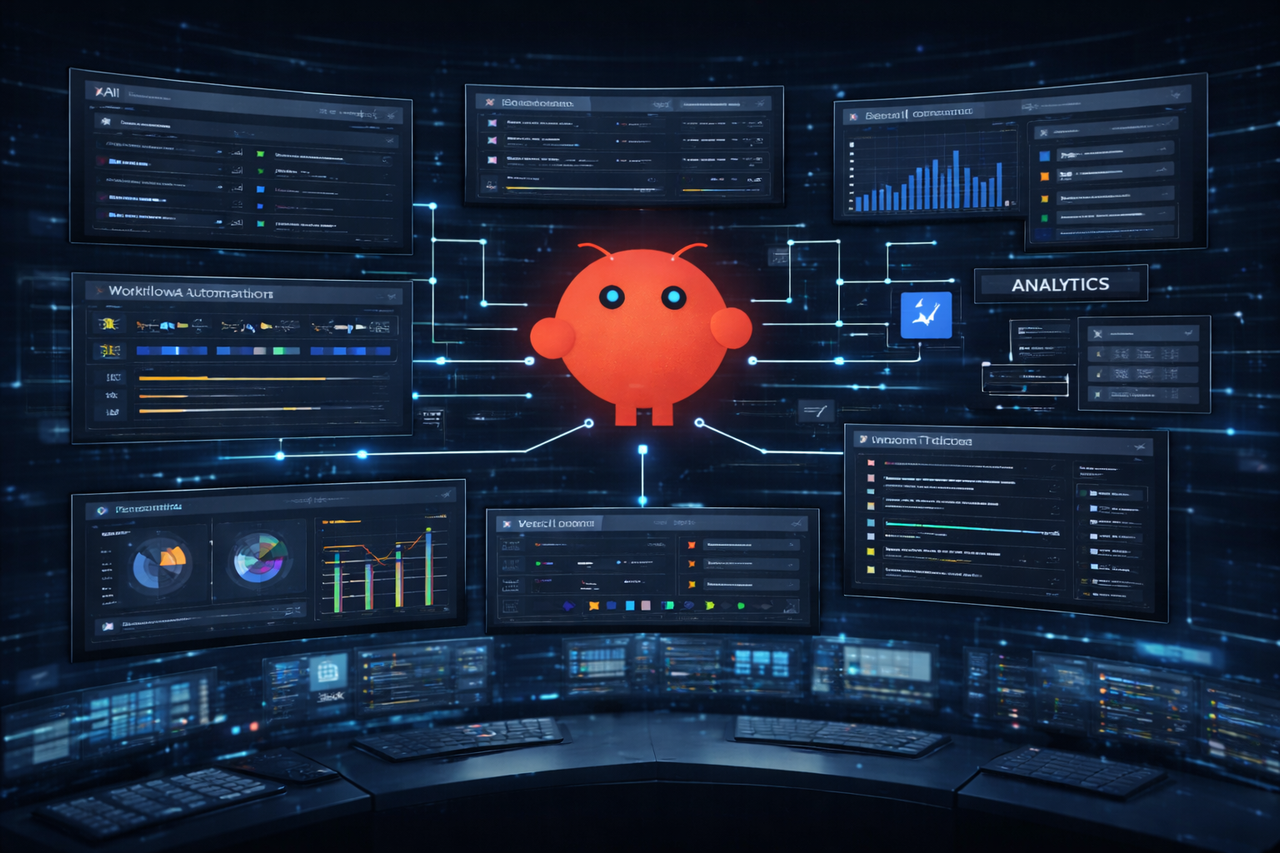
Most companies operate across disconnected tools. AI automation engines like OpenClaw unify systems, workflows, and data into one operational layer, enabling real automation, faster execution, and better decisions.


