



ai-automation
Autonomous Workflows. AI That Runs Operations
Autonomous workflows allow AI to coordinate tasks, decisions, and actions across systems. This shift moves businesses from manual processes to intelligent, self-operating workflows.
Design and build future-ready digital applications by integrating AI, modular architecture, and scalable infrastructure. Learn how Singular Innovation enables teams to build systems that evolve with technology, scale intelligently, and deliver smarte
The pace of technological change is relentless. Today’s application development must go beyond "mobile-first" or "cloud-native." It must be future-ready—capable of adapting to emerging technologies, evolving user expectations, and complex business environments.
To do this, teams must integrate AI as a core design principle, prioritize modular and scalable architecture, and think beyond MVPs. They must also prepare for a world where real-time data, distributed intelligence, and user-centered experiences drive success.
At Singular Innovation, we help organizations architect, design, and build systems that are smart by default—AI-ready, adaptable, and structured for longevity.
Future-ready apps are not just current—they're prepared. They are built with architectural resilience, upgradeability, and intelligent capability at their core.
Key characteristics include:
This approach is not just technical. It’s strategic.
Markets, technologies, and user behaviors evolve. Applications must evolve too—without costly rebuilds.
Being first to adopt AI or deploy seamless experiences across new platforms (e.g. wearables, ambient interfaces) puts brands ahead.
Future-ready systems empower cross-functional teams to move faster, reuse components, and maintain quality.
According to Forbes, organizations with future-ready strategies outperform peers in innovation and growth.
Future-ready apps break down functionality into services that can scale, evolve, and integrate easily. APIs are the connective tissue that enable rapid experimentation and secure interoperability.
Applications must shift from static rule-based logic to dynamic learning-based systems. This includes:
Singular Innovation builds AI frameworks into application cores from day one, using tools like TensorFlow, OpenAI, and custom NLP pipelines.
Today’s user may start on desktop, continue on mobile, and complete a task via voice. Future-ready applications ensure consistent, intuitive UX across every surface, including upcoming AR/VR or ambient computing environments.
From containerized services to cloud-native deployments and edge computing, future-ready development leverages platforms like Kubernetes, AWS, and Azure to optimize cost, resilience, and performance.

AI enables applications to:
For example, an AI-native e-commerce platform can personalize the shopping experience per session, optimize inventory based on trends, and trigger marketing automation based on predicted drop-off.
Singular Innovation develops systems with embedded AI layers, designed to integrate cleanly into business logic without creating tech debt.
At Singular Innovation, we:
We believe future-ready systems should be:
Our team builds on modern frameworks like React, Next.js, Node, Python, and Flutter, combined with leading AI libraries and cloud orchestration tools.
A mid-sized SaaS company approached us with a goal: modernize their customer portal.
Initial limitations:
Singular’s solution:
Results:
Singular Innovation offers discovery sessions to help map where you are—and where you could go—with future-ready development.
Future-ready application development is not about predicting the next big thing—it’s about preparing your systems to evolve with change.
From embedded AI to scalable microservices, the next generation of software must be designed to adapt, scale, and stay intelligent over time.
Singular Innovation is your partner in building smart, flexible, and scalable solutions that align with your future vision.
🚀 Book a free 30-min strategy session with our team. Let’s build what’s next, together.
This article was developed with the assistance of AI tools and reviewed by the Singular Innovation team for accuracy and context.
Autonomous workflows allow AI to coordinate tasks, decisions, and actions across systems. This shift moves businesses from manual processes to intelligent, self-operating workflows.
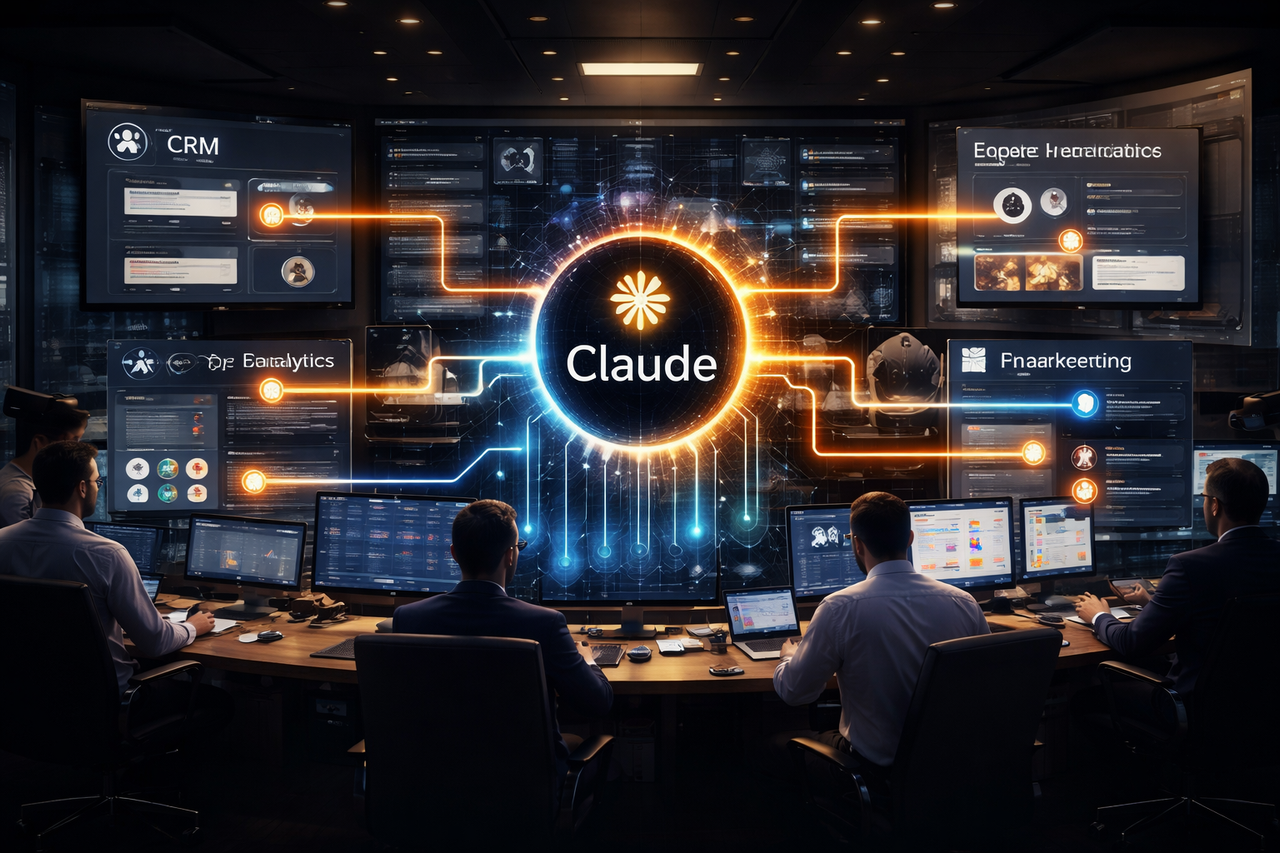
Dashboards show what happened. AI operations systems decide and act on what should happen next. This shift is redefining how companies run their day to day operations.

LLMs are powerful, but prompts alone do not create business impact. Real value comes from embedding LLMs into workflows that connect data, decisions, and actions across systems.


