
ai-automation
Autonomous Workflows. AI That Runs Operations
Autonomous workflows allow AI to coordinate tasks, decisions, and actions across systems. This shift moves businesses from manual processes to intelligent, self-operating workflows.

In 2025, SMBs are scaling faster and cheaper using no-code and low-code. Learn the key differences, benefits, and why combining both is now essential for growth, agility, and innovation. Includes expert insights and real success stories.
In 2025, technical limitations are no longer the bottleneck for small and medium-sized businesses (SMBs). The game-changer? A strategic blend of no-code and low-code development.
These platforms are not just tools — they’re growth accelerators, and businesses that adopt them strategically are pulling ahead in speed, cost-efficiency, and innovation.
This year marks a major shift. According to Gartner, 70% of new apps will be built using no-code or low-code platforms by the end of 2025 — up from just 25% in 2020.
Even more compelling, IDC predicts that over 80% of tech solutions will soon be created by non-developers. That means SMBs no longer have to choose between speed and quality — if they build smart.
The market reflects this momentum:
The no-code/low-code industry is set to grow from $45.5B in 2025 to $187B by 2030.
No-code is built for speed and simplicity. Leaders can build MVPs, automate tasks, or test ideas without writing a single line of code. Think Glide, Softr, Webflow.
Low-code is best for custom logic, scalable products, and complex integrations. Developers still write code, but in a much faster, modular way. Platforms like FlutterFlow and OutSystems lead the way.
These approaches are not rivals—they’re complementary. Smart SMBs use both, strategically.
Working with low-code or no-code experts unlocks real advantages:
These tools aren’t just for simple apps — they’re strategic enablers.
For example, in one of our client success stories, we helped Osmo streamline its operations and scale smarter using no-code solutions tailored to their team.
Let your business goals guide your approach:
The smartest SMBs don’t choose one or the other — they choose both.
AI is now deeply integrated into both ecosystems. Features like AI-generated interfaces, smart workflow suggestions, and real-time error handling are making these platforms:
Even non-technical teams can now build powerful digital products with ease.
Whether you're a founder, product owner, or operations leader, embracing no-code and low-code is no longer a trend — it’s a strategic decision.
In fast-changing markets, speed and adaptability win. The earlier you adopt these tools, the better positioned you are to compete and grow.
At Singular, we’ve helped dozens of SMBs design, build, and scale software using a tailored mix of no-code and low-code tools — aligned with their business goals, resources, and technical needs.
If you're ready to simplify development and accelerate your roadmap:
Schedule Your Free trategy Call — and let’s map out your next big build.
Autonomous workflows allow AI to coordinate tasks, decisions, and actions across systems. This shift moves businesses from manual processes to intelligent, self-operating workflows.

Dashboards show what happened. AI operations systems decide and act on what should happen next. This shift is redefining how companies run their day to day operations.
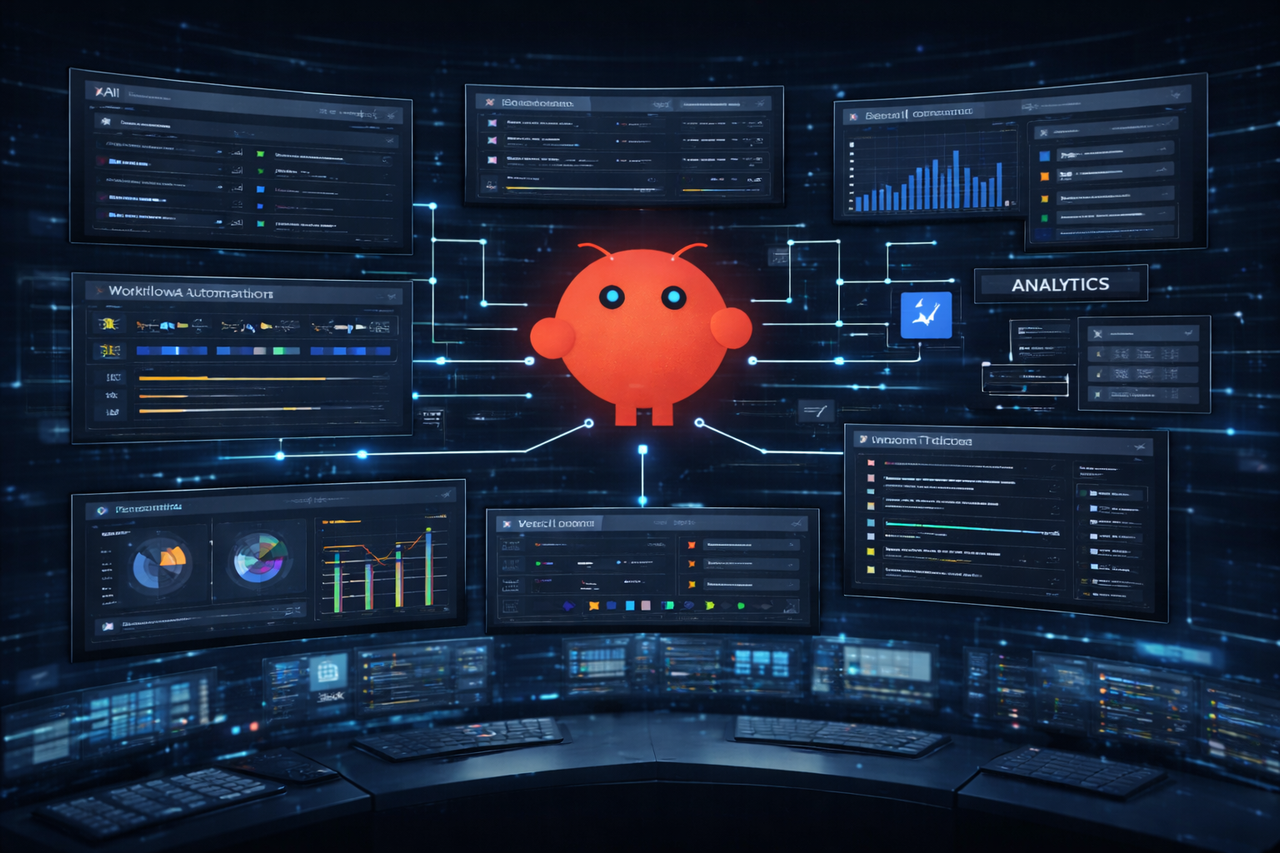
Most companies operate across disconnected tools. AI automation engines like OpenClaw unify systems, workflows, and data into one operational layer, enabling real automation, faster execution, and better decisions.


