
ai-automation
Autonomous Workflows. AI That Runs Operations
Autonomous workflows allow AI to coordinate tasks, decisions, and actions across systems. This shift moves businesses from manual processes to intelligent, self-operating workflows.

Most no-code app failures aren’t about the platform—they’re avoidable mistakes. From poor data models to overbuilt MVPs, here are 6 costly traps founders and SMBs face in 2025—and the fixes to build fast and scale smart.
For founders, SMB owners, and startup teams, the appeal of no-code is obvious:
⚡ Faster launches
⚡ Leaner teams
⚡ Less dependency on scarce engineering resources
But here’s the catch: speed without structure creates hidden costs. Many no-code projects stall, break, or get abandoned—not because of the platform, but because of avoidable mistakes in strategy and execution.
The result? Technical debt, rework, performance issues, and disappointed users.
The good news: each of these mistakes has a practical fix. Let’s dive in.
Jumping into screens without a plan leads to messy databases, duplicate fields, brittle permissions, and painful rebuilds.
Fix it:
👉 Rule of thumb: If you can’t explain your data model on one slide, you’re not ready to build UI.
Functionality isn’t enough. Users abandon apps that “work” but feel clunky.
Fix it:
Think of UX as a contract with your users—it determines whether they’ll stay.
Too many founders overbuild. Every extra feature at MVP stage increases rework.
Fix it:
👉 Mantra: Momentum beats completeness.
Scalability isn’t just traffic—it’s roles, reporting, integrations, automation.
Fix it:
A dangerous mindset. Misconfigured rules can expose sensitive data and damage trust.
Fix it:
Security isn’t a nice-to-have. For SMBs, trust is currency.
AI-generated apps accelerate scaffolding—but they don’t guarantee scalability, usability, or sound architecture.
Fix it:
👉 Hybrid principle: AI boosts speed, expertise ensures durability.
Lightweight governance from day one saves months later.
Score yourself 0–2 per question:
12–14: Solid foundation
8–11: Fix risks before scaling
0–7: Pause features—stabilize fundamentals
No-code isn’t a shortcut—it’s a force multiplier when paired with solid architecture, UX discipline, and smart governance. Avoiding these six mistakes positions your app to ship quickly and scale sustainably.
AI accelerates the first 30%. But the remaining 70%—strategy, performance, security, UX—requires human judgment. The winning model combines both: AI for speed, experts for integrity.
At Singular, we help founders and SMBs:
✅ Review data architecture
✅ Implement design systems
✅ Run performance & scalability audits
✅ Configure security rules
✅ Combine AI acceleration with human oversight
👉 Need a diagnostic, or worried your no-code build is already drifting? Book a 30 min call with us.
Autonomous workflows allow AI to coordinate tasks, decisions, and actions across systems. This shift moves businesses from manual processes to intelligent, self-operating workflows.
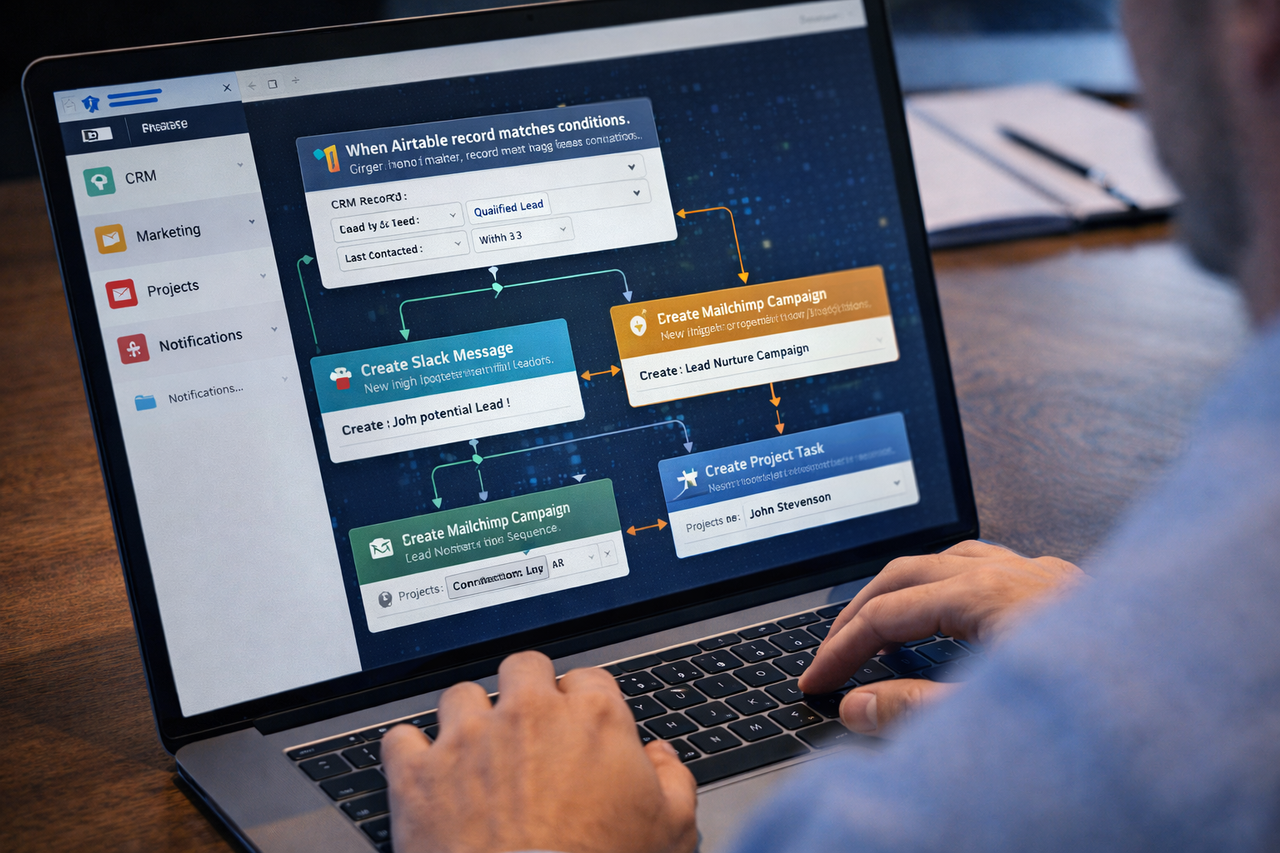
SMBs can now build AI workflows without engineering teams. No-code platforms like Airtable Omni allow companies to connect apps, automate processes, and deploy AI agents that manage operations across their digital systems.
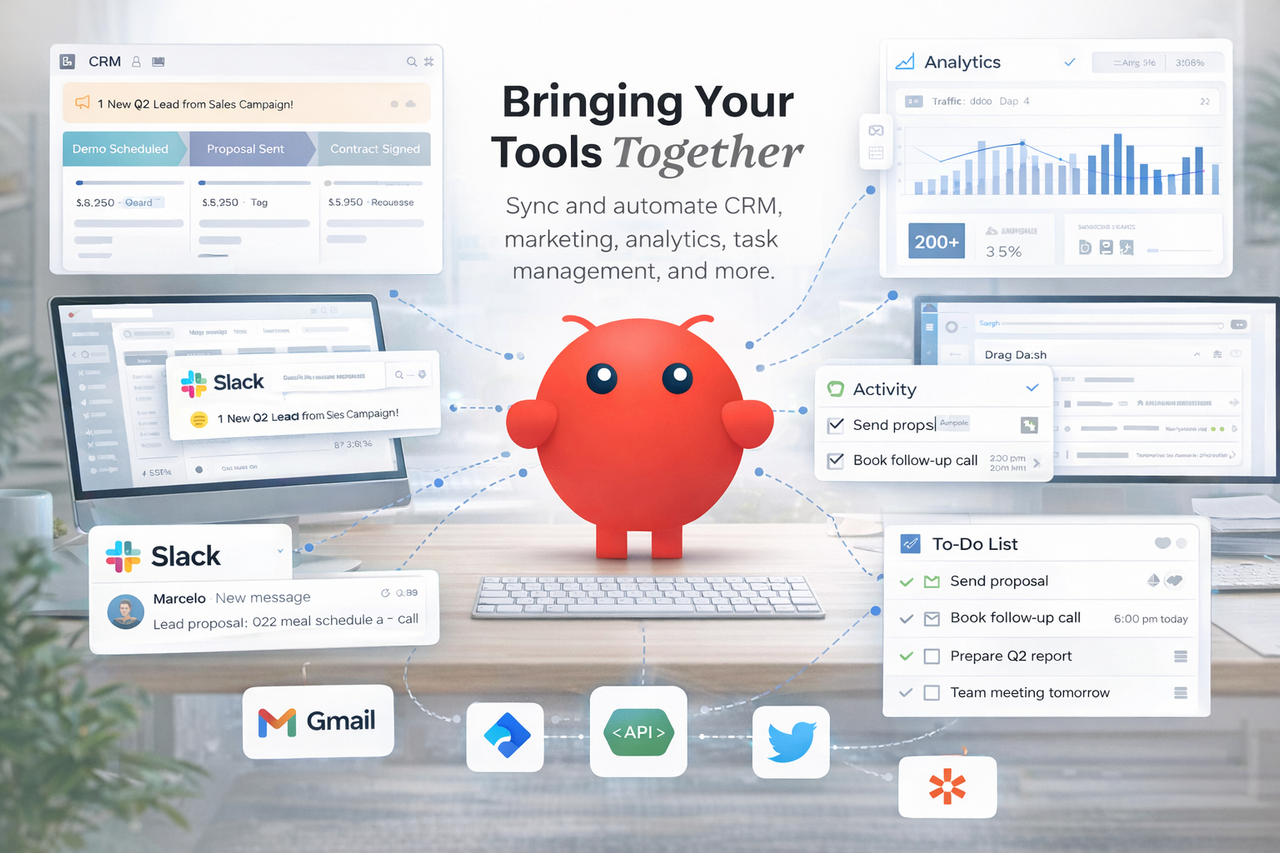
OpenClaw functions as a Second Brain and Agent OS for businesses, coordinating workflows, automating processes, and connecting operational systems into a unified AI-powered infrastructure.


