



ai-automation
Autonomous Workflows. AI That Runs Operations
Autonomous workflows allow AI to coordinate tasks, decisions, and actions across systems. This shift moves businesses from manual processes to intelligent, self-operating workflows.
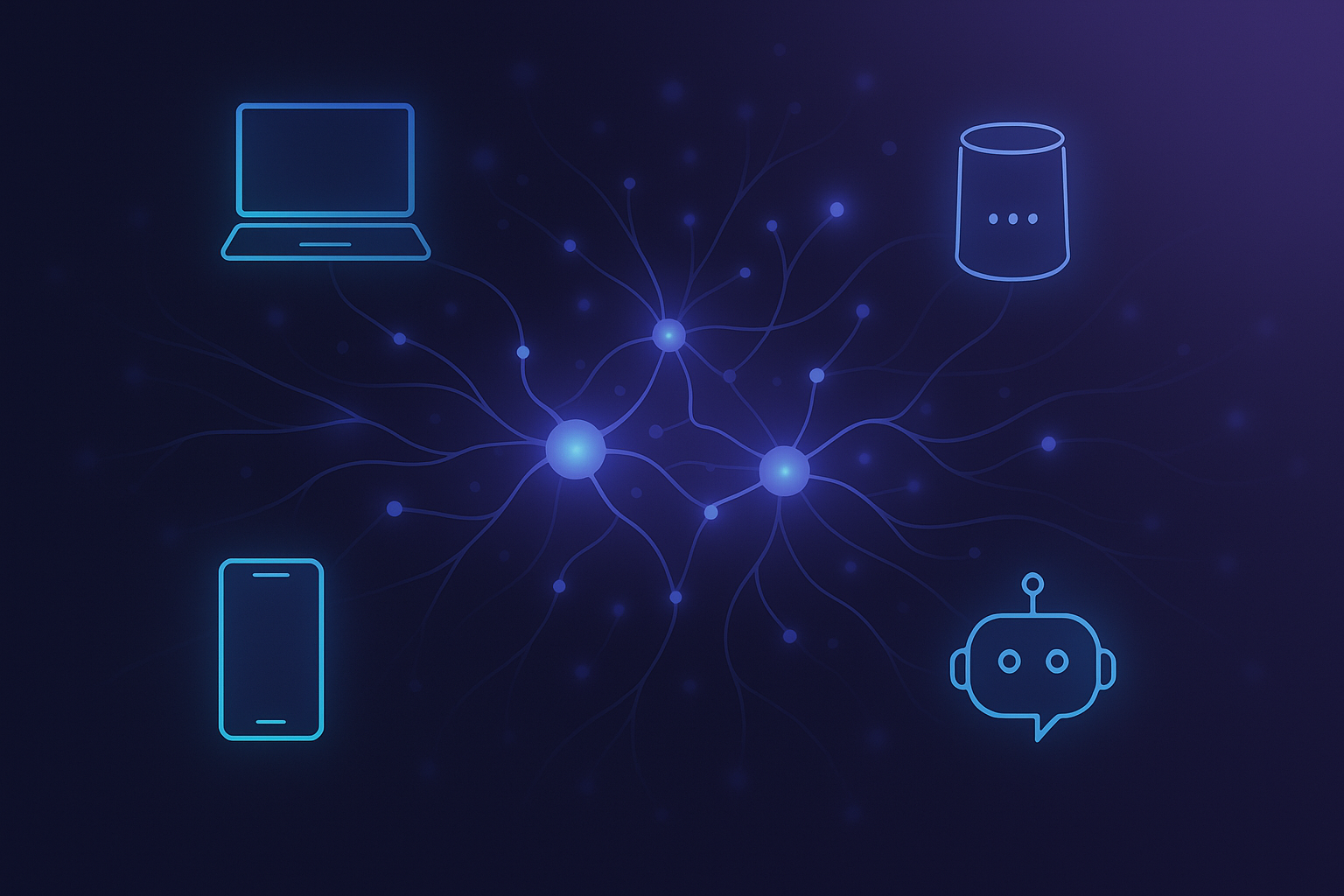
Learn how AI enables seamless omni-channel experiences. Discover the tools, framework, and how Singular Innovation helps unify digital touchpoints for smarter customer engagement.
Customers today expect fluid, intuitive experiences across web, mobile, chat, voice, and physical environments. Brands can no longer afford fragmented communication or disjointed service delivery. This is where AI makes the difference.
A seamless omni-channel experience is no longer a competitive edge—it's a standard. But to achieve it, brands need technology that understands context, responds intelligently, and evolves in real time.
At Singular Innovation, we work with forward-thinking organizations to design AI-powered omni-channel strategies that are personalized, scalable, and measurable from day one.
Omni-channel means more than being present on multiple platforms. It’s about continuity and coherence:
True omni-channel experiences:
According to Salesforce’s best practices for omni-channel customer experience, consistency and personalization across platforms significantly increase customer satisfaction and brand loyalty.
With AI, this continuity becomes possible—and scalable.

AI bridges the gap between multiple systems, data sources, and user expectations. Here’s how:
According to McKinsey, brands that personalize customer experiences using AI can achieve revenue gains of 5% to 15% and efficiency gains of 10% to 30%.
Singular Innovation uses AI to unify cross-platform experiences with modular systems that adapt to customer behavior dynamically—making the brand feel human, no matter the channel.
Enables bots and virtual assistants to understand, respond, and escalate with empathy. This allows chatbots to handle a larger portion of customer queries while improving response quality.
Offer product, content, or service suggestions based on intent and behavior. These engines adapt in real-time, reflecting user history and preferences.
Forecasts user needs and proactively engages. This enhances marketing effectiveness and customer satisfaction by anticipating demand.
Centralize profiles and interaction data from all channels. They eliminate silos and create a single source of truth for customer behavior.
Delivers context-aware dialogues across chat, voice, and even email threads. Combined with NLP, this creates intelligent, scalable support across channels.
Singular Innovation integrates these tools into unified frameworks that allow brands to respond in milliseconds with tailored intelligence—enhancing each stage of the customer journey.

Identify where users interact across platforms. Pinpoint high-impact moments, friction points, and drop-offs. This diagnostic phase is essential to align AI automation with real user needs.
Integrate data from web, app, CRM, chat, and offline sources into a single ecosystem. CDPs like Segment or Salesforce Customer 360 can help.
Deploy AI to guide, recommend, and personalize each step in the journey. Use recommendation engines and predictive models to enhance interactions.
Ensure consistency between platforms. Use AI-powered QA tools to simulate flows across devices and entry points.
Analyze behavior. Adapt flows and interfaces. Personalize continuously with reinforcement learning and customer feedback.
Singular Innovation supports clients end-to-end—from mapping and integration to testing and continuous evolution—ensuring that every layer of AI supports brand voice and user intent.
Imagine a user researching a product via voice assistant at home. They get a follow-up message from a chatbot on their commute. Later that evening, they complete the purchase on desktop.
Every touchpoint knows what the last one did. There’s no loss of context. That’s what Singular helps clients design.
Companies like Spotify, Sephora, and Uber have pioneered these models. But now, through platforms like ours, it’s more accessible than ever.
Our clients report faster customer resolution times, increased engagement, and higher conversion after implementing omni-channel frameworks supported by AI.
According to Gartner, poor integration and inconsistency are leading causes of omni-channel strategy failures. Singular Innovation’s approach ensures that technology doesn’t lead the experience—but rather enables it.
A seamless omni-channel experience, powered by AI, is no longer aspirational—it’s expected.
Brands that master this earn trust, loyalty, and measurable growth. With the right tools, strategy, and partner, it’s within reach.
Ready to unify your customer experience with AI?
Let’s explore your current landscape, identify quick wins, and map your next steps together.
👉 Book your free 30-minute strategy call now – no strings attached, just actionable insights.
This article was developed with the assistance of AI tools and reviewed by the Singular Innovation team for accuracy and context.
Autonomous workflows allow AI to coordinate tasks, decisions, and actions across systems. This shift moves businesses from manual processes to intelligent, self-operating workflows.

Dashboards show what happened. AI operations systems decide and act on what should happen next. This shift is redefining how companies run their day to day operations.

LLMs are powerful, but prompts alone do not create business impact. Real value comes from embedding LLMs into workflows that connect data, decisions, and actions across systems.


