



ai-automation
Autonomous Workflows. AI That Runs Operations
Autonomous workflows allow AI to coordinate tasks, decisions, and actions across systems. This shift moves businesses from manual processes to intelligent, self-operating workflows.

SMBs can start with AI by choosing one clear problem. mapping the workflow. and using simple tools. This guide explains how to build a small automation. add an AI agent. measure impact. and scale safely with low risk.
AI adoption is no longer exclusive to large enterprises. Small and mid sized businesses are using AI to automate tasks. improve workflows. reduce operational costs and scale faster. The challenge is not the technology. The challenge is knowing where to begin.
This guide explains the exact steps an SMB can follow to start using AI today. It covers tools. workflows. risks and implementation strategy needed for a smooth start.
AI creates real value only when it solves a specific operational problem.
Common starting points include:
• repetitive data entry
• customer support questions
• manual reporting
• scheduling
• document processing
• workflow routing
Choose a single problem that slows down the team. This keeps the implementation focused and reduces risk.
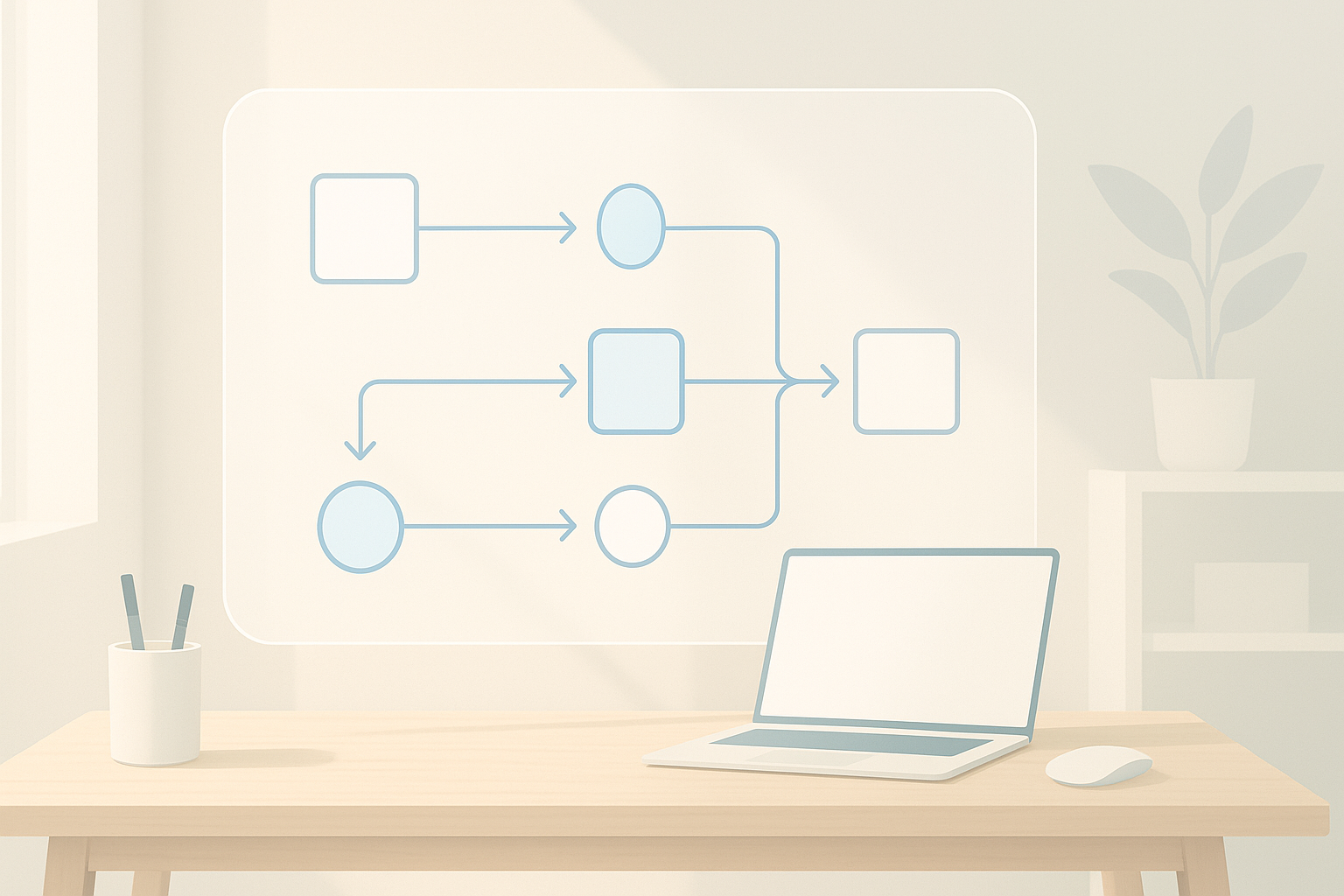
Before choosing any tool. you need to understand the current process.
Create a simple workflow map with:
• input
• steps
• output
This helps identify where AI fits and where human review is required.
If you want examples of structured workflow design. you can read this internal guide:
https://www.singular-innovation.com/blog/how-to-build-ai-workflow-from-scratch
(Learn more about AI powered workflows)
SMBs usually start with low code or no code AI tools.
• Make. https://www.make.com/en/help
• Zapier. https://zapier.com/blog/ai-automation
• Airtable Automations. https://support.airtable.com/docs/automations-overview
• OpenAI GPT based workflows. https://platform.openai.com/docs
• Perplexity API. https://www.perplexity.ai
• ClickUp
• Notion AI
• Slack AI
The goal is not to use the most advanced tool. The goal is to choose the simplest solution that solves the workflow you mapped.
For more examples of SMBs using no code AI platforms you can read:
https://www.singular-innovation.com/blog/no-code-ai-tools-2026
(See how SMBs use no code AI tools in real cases)
Start with small automations that take one or two hours to set up. Examples:
• automatic email classification
• AI generated summaries
• extracting data from PDFs
• syncing information across tools
Small wins build confidence and reduce resistance.
You can explore workflow examples here:
https://www.singular-innovation.com/blog/ai-automation-for-smbs-2025
Once the manual or low code workflow works reliably. you can add a custom AI agent to remove human steps. Examples:
• an internal agent trained on your documentation
• a customer support agent for FAQs
• an operations agent that routes tickets
• an agent that drafts reports or messages
To choose the right framework. compare your options here:
https://www.singular-innovation.com/blog/flutter-vs-flutterflow-smb-ai-process-guide-nocode
(Compare workflows built with FlutterFlow and custom frameworks)
Track performance with simple metrics:
• time saved
• errors reduced
• average response time
• cost reduction
• automated task volume
If the impact is positive. expand the workflow.
AI implementation depends on proper team onboarding. Provide simple sessions explaining:
• how the workflow works
• what the AI agent can do
• when to escalate tasks
• how to submit feedback
Well trained teams boost adoption and performance.
When the first workflow is stable. scale slowly. Good areas include:
• sales operations
• financial processes
• HR tasks
• customer support
• documentation
• project management
Scaling gradually keeps risk under control.
SMBs can start with AI using one workflow. one tool and one measurable outcome. The most important step is to begin small. test fast and expand only after clear results. AI is becoming the operational foundation for modern SMBs. and early adopters gain a significant advantage.
If you want to see real examples of AI powered workflows in action. join us at the upcoming Airtable Enterprise Network session. “Work Smarter with Airtable AI.”
We will explore how to connect data. automate multi step processes and combine Airtable with AI agents to reduce manual work in SMB and mid market environments.
Register here to save your spot.
https://airtableevents.com/airtableenterprisenetworkworks-12-2025
This article was developed with the assistance of AI tools and reviewed by the Singular Innovation team for accuracy and context.
Autonomous workflows allow AI to coordinate tasks, decisions, and actions across systems. This shift moves businesses from manual processes to intelligent, self-operating workflows.

Dashboards show what happened. AI operations systems decide and act on what should happen next. This shift is redefining how companies run their day to day operations.

LLMs are powerful, but prompts alone do not create business impact. Real value comes from embedding LLMs into workflows that connect data, decisions, and actions across systems.


