


ai-automation
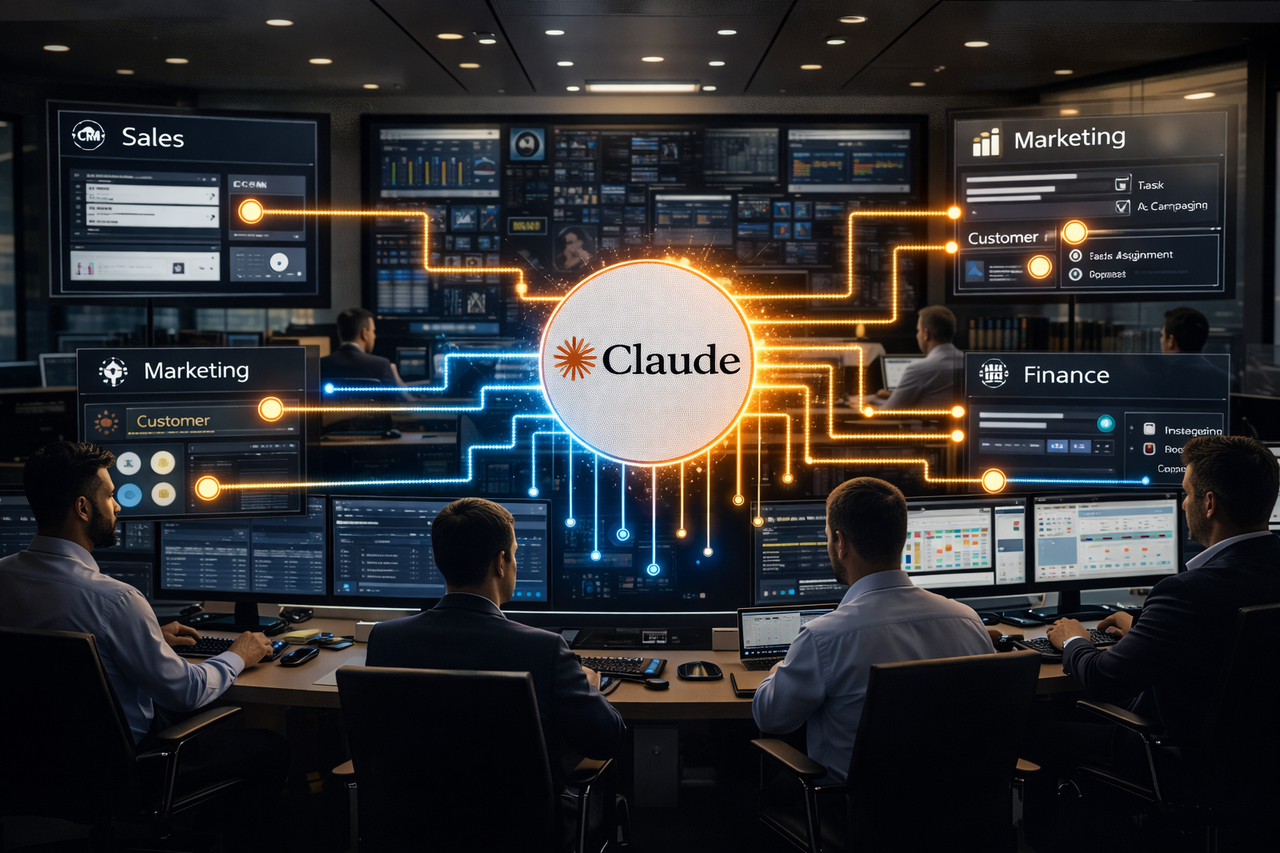
Autonomous Workflows. AI That Runs Operations
Autonomous workflows allow AI to coordinate tasks, decisions, and actions across systems. This shift moves businesses from manual processes to intelligent, self-operating workflows.
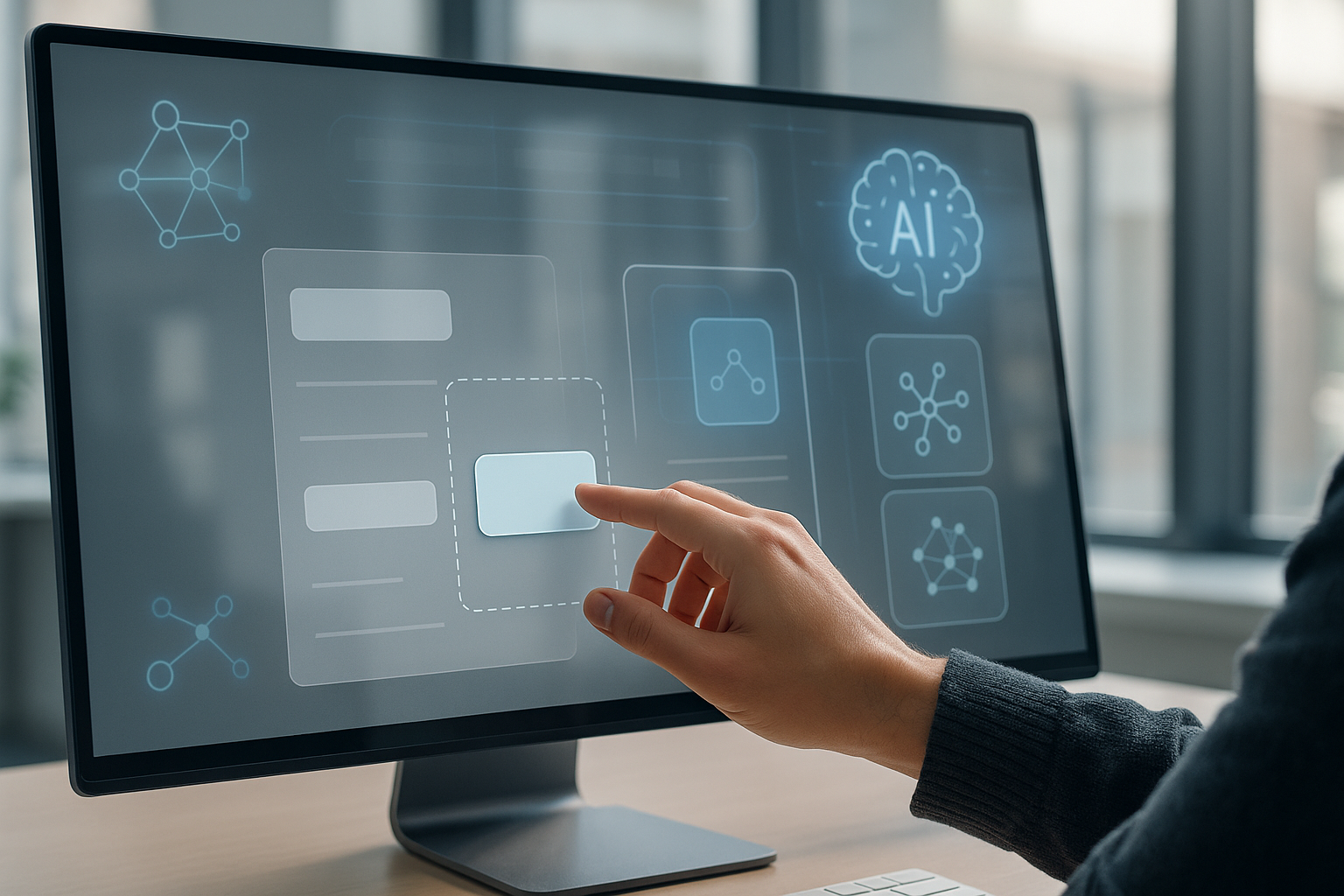
AI agents act like digital coworkers that observe, decide, and act to automate workflows. Learn how SMBs use them to save time, improve accuracy, and scale smarter with no-code and custom AI solutions from Singular Innovation.
Artificial Intelligence (AI) agents are transforming the way businesses operate. Once confined to research labs and large corporations, these digital systems now help small and midsize businesses (SMBs) automate workflows, reduce repetitive tasks, and make data-driven decisions faster.
Think of AI agents as digital coworkers — they observe their environment, decide what actions to take, and execute them toward a specific goal. Whether it’s managing leads, optimizing marketing campaigns, or streamlining customer support, AI agents turn decisions into actions automatically.
With platforms like Singular Innovation, companies can create custom agents that integrate data across tools, automate repetitive tasks, and deliver measurable results — without the cost or complexity of enterprise AI.
This guide breaks down what AI agents are, how they work, and how businesses can start using them effectively.
At their core, AI agents are systems that perceive, decide, and act.
They are goal-driven and designed to achieve measurable outcomes.
An AI agent:
In technical terms, an AI agent maximizes a utility function — a score that measures how well it’s achieving its objective. Some agents act reactively; others plan ahead, adapt, and collaborate with humans or other systems.
AI agents turn decision-making into automation, enabling faster, smarter, and more reliable outcomes.
To understand how AI agents work, it helps to visualize three moving parts:
Once you grasp these elements, the architecture of AI agents becomes clear: sensing, reasoning, and acting — all guided by continuous feedback.
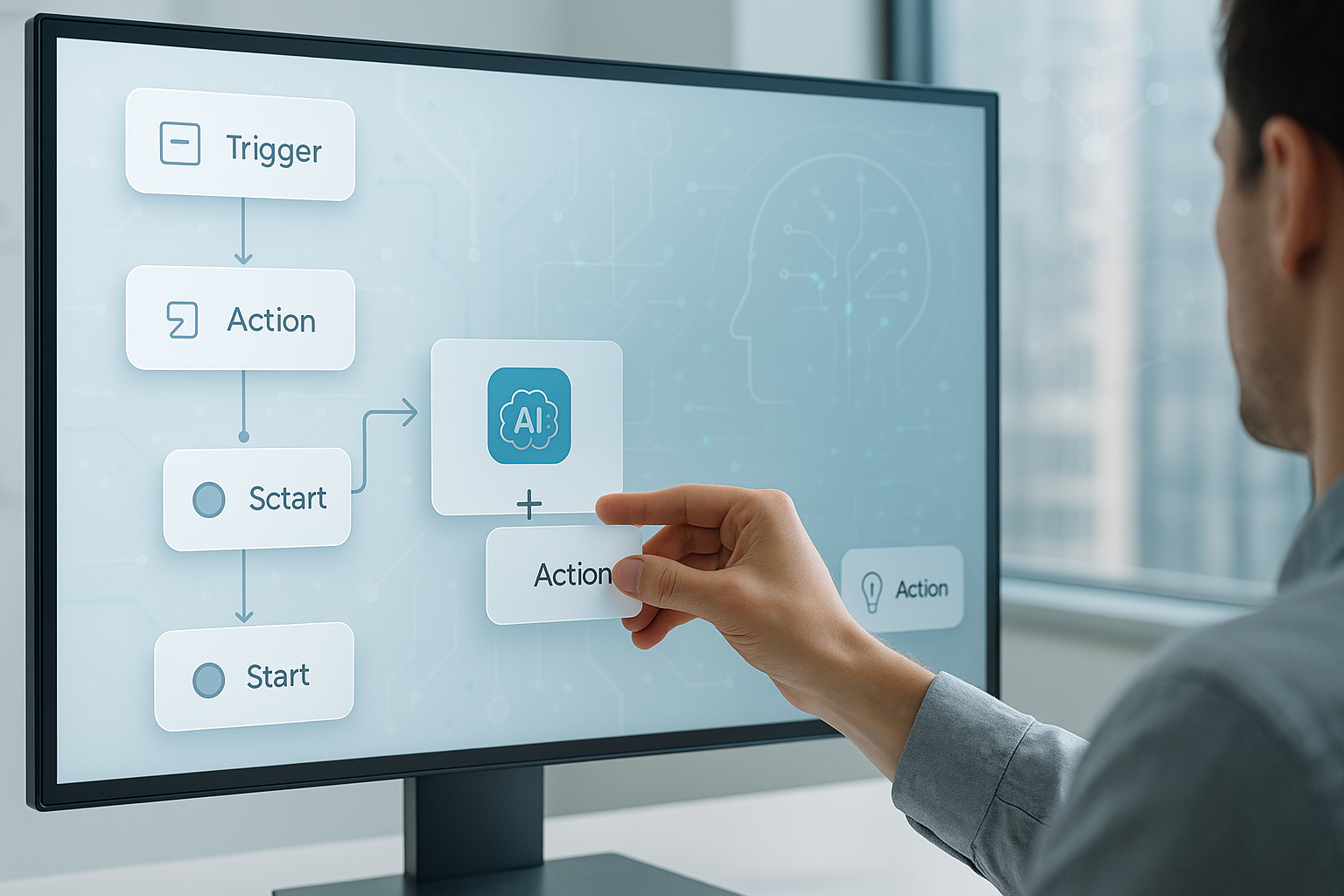
AI agents learn through feedback loops. Each cycle helps them improve accuracy and efficiency.
A typical loop looks like this:
Observe → Decide → Act → Learn → Improve.
This process is powered by several components:
Modern systems combine reinforcement learning, human feedback, and self-play to refine this process. The more feedback the agent gets, the more capable and efficient it becomes.
AI agents aren’t limited to reactions — they plan ahead. They can chain steps together, weigh trade-offs, and reason before acting.
For example:
Agents also use tools and APIs to expand their capabilities — from querying databases and using calculators to generating content or updating records in real time.
This is what makes modern agents so powerful: they combine reasoning with action, allowing them to complete multi-step workflows independently.
Not all agents need full independence. Some operate within clear guardrails, while others make autonomous choices within a defined scope.
In complex systems, multiple agents — and humans — work together. This is known as orchestration.
An orchestrator agent coordinates multiple sub-agents, assigns tasks, tracks progress, and ensures consistency.
You can see this approach in systems like Microsoft Copilot, which manages multiple AI skills across applications to deliver results seamlessly. It’s a glimpse into how humans and agents will increasingly collaborate within shared digital workspaces.
| Type | Core Idea | Best Use Case | Example |
|---|---|---|---|
| Reactive | Acts immediately on inputs | Simple automation | Thermostat, alert bot |
| Model-based | Maintains internal state | Prediction and planning | Robot vacuum mapping rooms |
| Goal-based | Works toward defined target states | Scheduling, navigation | Route planner |
| Utility-based | Balances trade-offs to maximize outcomes | Decision optimization | Support agent optimizing speed vs. quality |
| Learning | Improves with experience and feedback | Dynamic environments | Personalized recommendation engine |
Hybrid designs are increasingly common — combining reactive control, learning, and planning for flexible, business-ready automation.
AI agents already power many everyday tools and experiences:
In enterprise environments, we see AI agents operating at scale:
These examples show that AI agents are not futuristic concepts — they are practical systems delivering measurable business value today.
Small and midsize businesses face the same challenges as large enterprises — but with smaller teams and tighter budgets.
AI agents level the playing field.
They handle tasks that humans can do, but shouldn’t have to: repetitive, data-heavy, or multi-step processes that consume time and energy.
By introducing AI agents into these workflows, SMBs gain speed, reliability, and cost efficiency — all while keeping human judgment where it matters most.
AI agents are powerful, but not perfect.
They rely on models that interpret data — and those models can sometimes misread context or produce inaccurate results.
Common risks include:
The goal isn’t to replace human input — it’s to remove friction, reduce errors, and create a more balanced workflow between people and AI.

You don’t need a data science team to begin.
Platforms like Zapier, Make, or Microsoft Copilot Studio let you build small automations that connect apps, run logic, and complete basic decision loops.
Try this approach:
Once you prove the concept, you can scale confidently.
When workflows involve proprietary data or complex rules, it’s time for a custom solution.
Custom AI agents can:
This is where Singular Innovation specializes.
We design and build production-ready AI agents that fit your strategy, integrate securely, and deliver explainable, performance-driven outcomes.
Whether you’re automating support, sales, or operations — our team helps turn prototypes into fully orchestrated AI ecosystems.
AI success is measurable. Track what actually improves:
Small wins compound quickly.
An agent that saves 10 minutes per process can recover hundreds of hours per year — translating directly into productivity and profitability.
When people feel confident experimenting safely, innovation happens naturally — and AI becomes a normal, trusted part of daily work.
What does an AI agent actually do?
It observes its environment, makes decisions, and acts to reach a goal — often learning from results to improve performance over time.
Is ChatGPT an AI agent?
Not by itself. ChatGPT is a language model. But when connected to goals, data, and tools, it behaves like an agent capable of completing workflows autonomously.
How are AI agents different from automation bots?
Bots follow fixed rules. AI agents learn, adapt, and make decisions dynamically — combining reasoning, planning, and tool use.
"The LLM thinks. The agent decides and does."
Can small businesses really use AI agents?
Absolutely. With no-code tools and platforms like Singular, SMBs can start small, automate one process at a time, and scale intelligently as value becomes clear.
AI agents are no longer futuristic experiments — they’re practical, accessible tools driving real business outcomes today.
They help small teams work smarter, reduce manual effort, and build scalable systems that keep learning and improving.
Used responsibly, AI agents become the invisible backbone of a modern business — always on, always improving, and always aligned with your goals.
Explore how Singular Innovation helps businesses design and deploy custom AI agents for measurable growth.
Book a free strategy session with Singular Innovation
This article was developed with the assistance of AI tools (e.g., huminize.io) and reviewed by the Singular Innovation team for accuracy and context.
Autonomous workflows allow AI to coordinate tasks, decisions, and actions across systems. This shift moves businesses from manual processes to intelligent, self-operating workflows.
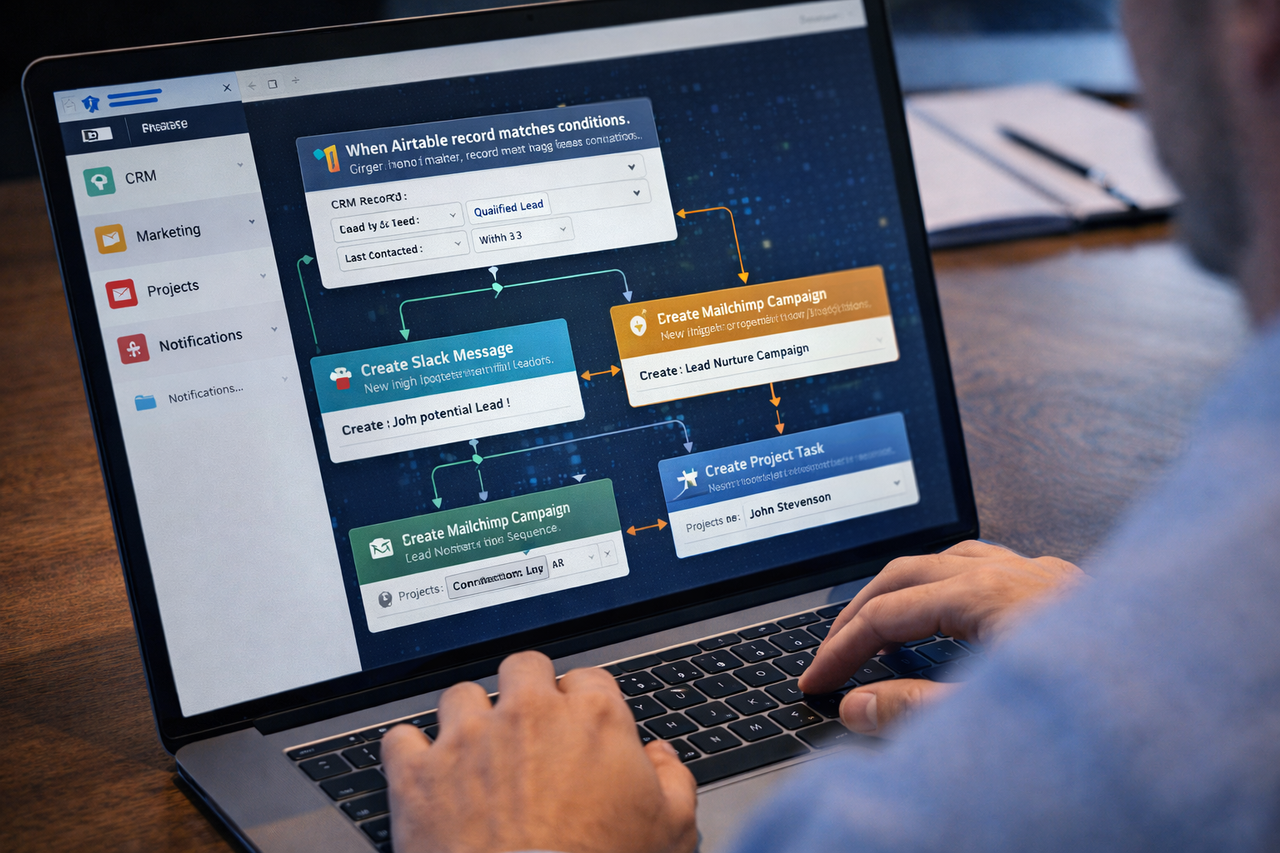
SMBs can now build AI workflows without engineering teams. No-code platforms like Airtable Omni allow companies to connect apps, automate processes, and deploy AI agents that manage operations across their digital systems.
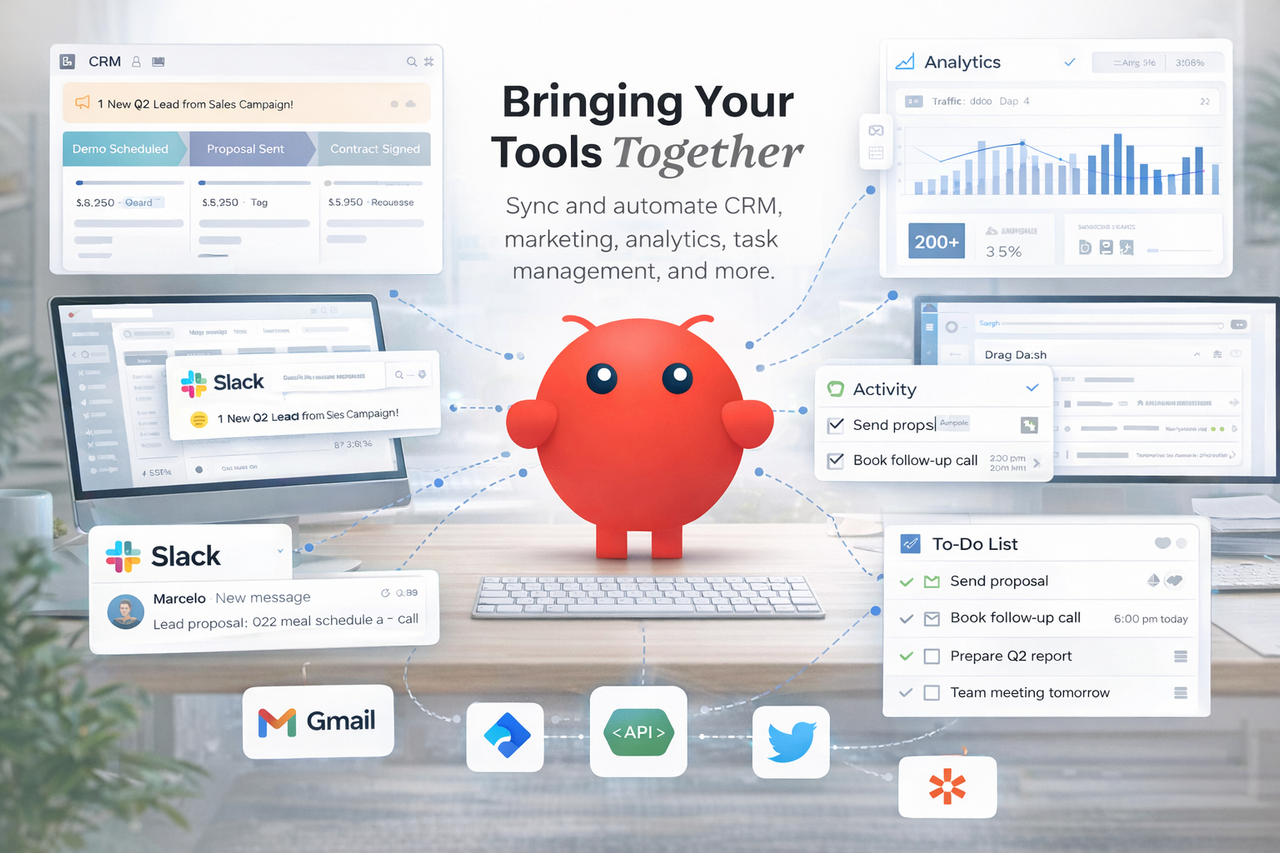
OpenClaw functions as a Second Brain and Agent OS for businesses, coordinating workflows, automating processes, and connecting operational systems into a unified AI-powered infrastructure.


