General
What Is an Agentic Workflow? How AI Agents Replace Manual Process Steps
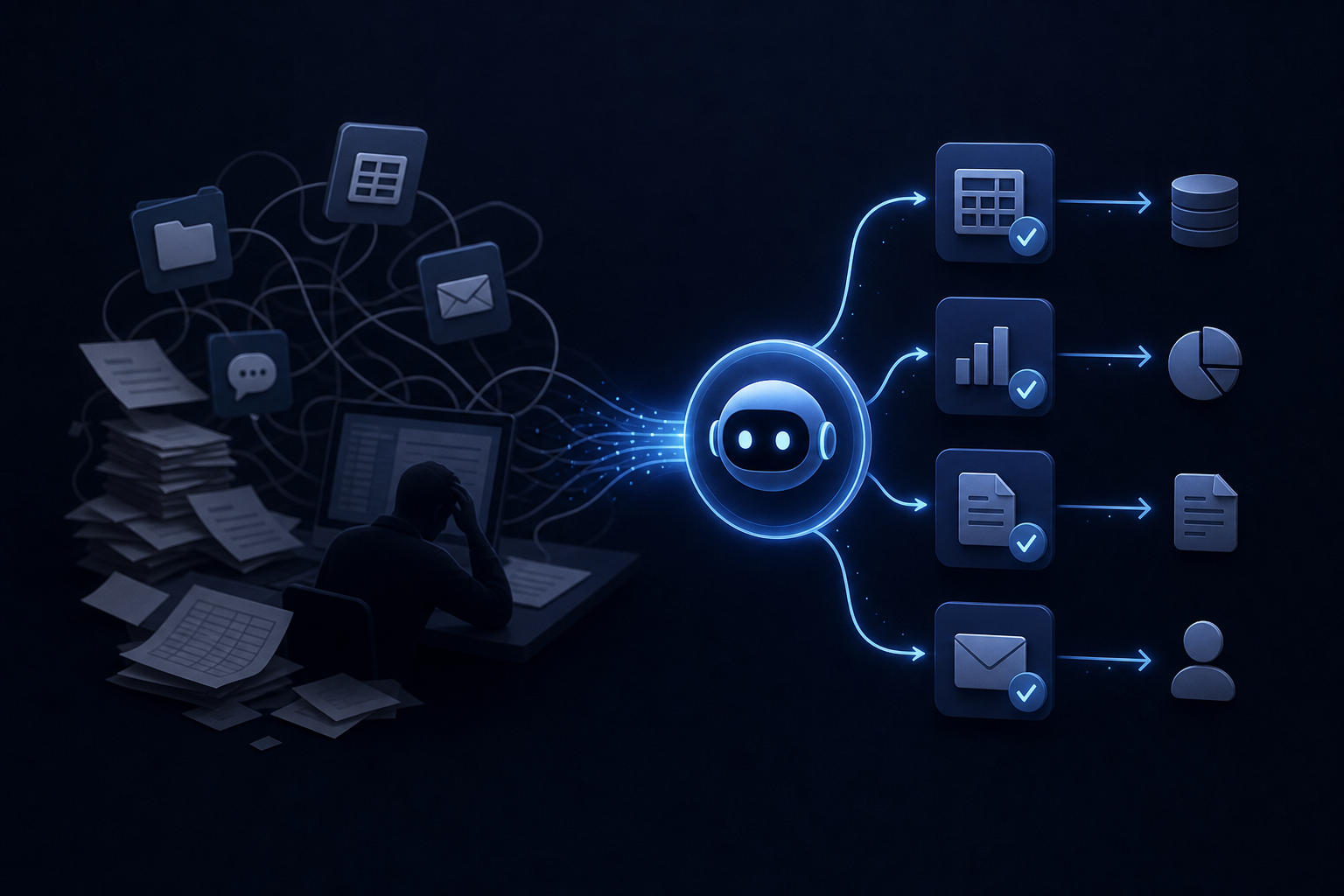
An agentic workflow lets AI agents plan and execute tasks without manual triggers. See how SMBs use them to replace repetitive process steps.
AI pilot program failure is almost always structural, not technical. Learn the four root causes and how embedded AI systems are built to avoid them.
You ran the pilot. You picked a tool, gave someone ownership of it, and blocked off six weeks. At the end, you had a demo that impressed the room and a Notion doc full of next steps that nobody touched. Three months later, the subscription is still active and the tool is collecting dust.
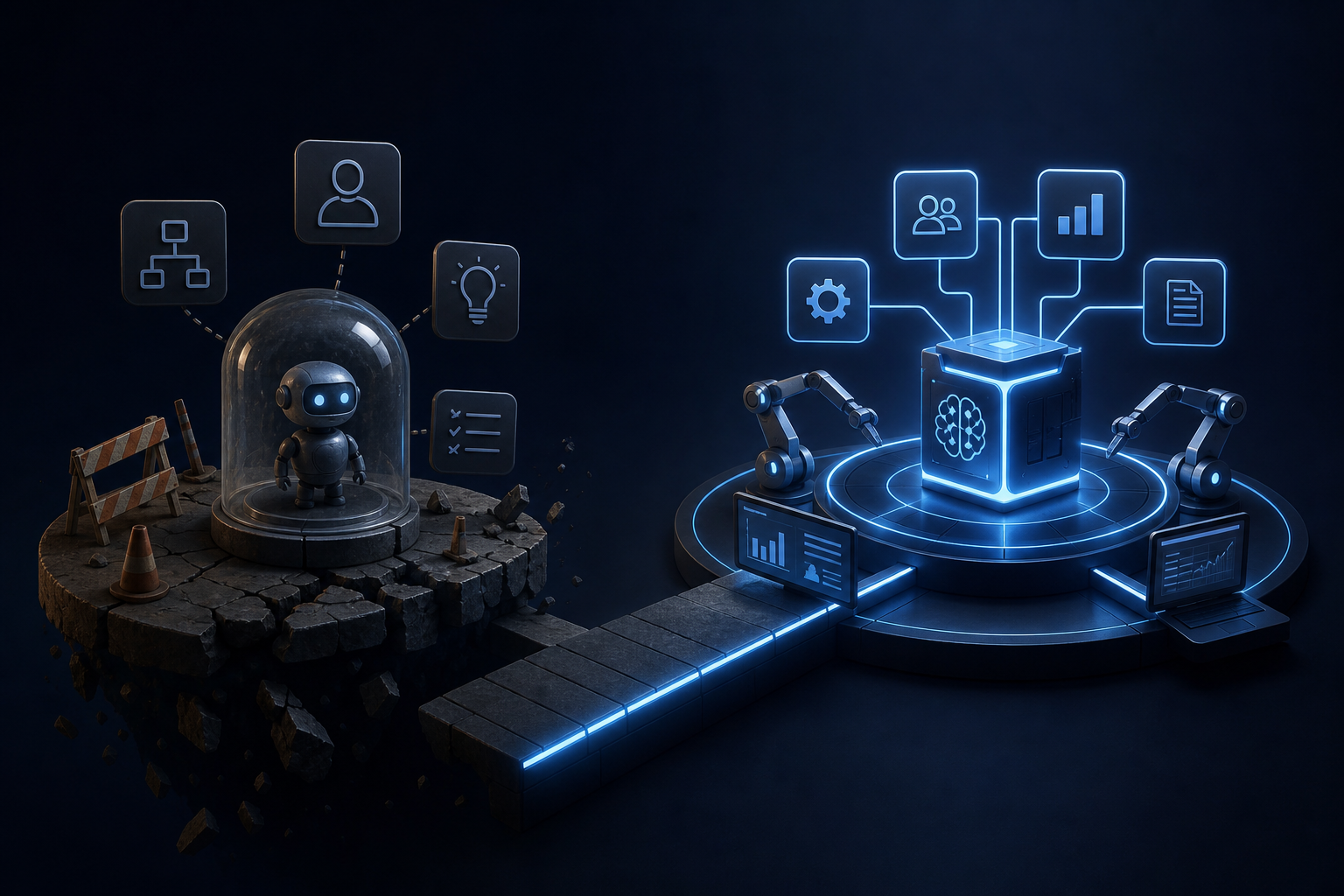
AI pilot program failure is not a technology problem. It is a deployment problem — and it follows a pattern predictable enough to prevent, once you understand what is actually driving it.
Most post-mortems blame adoption. The team didn't buy in. The timing was off. The model needed more training data. Those explanations aren't wrong, but they're symptoms. The causes underneath them are structural.
The most common mistake is running an AI pilot in a sandbox. You hand a team a new tool, they use it for tasks that feel AI-appropriate, and you measure engagement with the tool itself. But the actual work still flows through Slack, HubSpot, QuickBooks, and the spreadsheet your ops manager built two years ago.
When the pilot doesn't touch the systems where decisions actually get made, it can't produce value that sticks. The moment the pilot period ends, people return to the tools they depend on. The AI tool becomes optional, then forgotten.
An AI model is only as useful as the context it can access. A pilot that gives a language model one data source — or worse, no internal data at all — produces generic outputs that any free tool could match. Your team figures this out quickly and stops asking it anything that matters.
The pilots that survive are the ones where the AI has a complete, accurate picture of the business: what happened in last week's pipeline, what the ops team flagged in Slack on Tuesday, what the QuickBooks export showed for Q3. Without that unified context, the AI is guessing. With it, the AI is actually useful.
Most pilots produce analysis. A summary here, a report there, a suggested response that someone still has to review and send manually. Valuable in theory — but it doesn't remove work from anyone's plate. It adds a step.
The teams that see real results are the ones where the system does something rather than just says something. It sends the briefing. It generates the dashboard. It routes the ticket. When the AI executes a task instead of recommending one, the time savings are immediate and visible, and the team has a reason to protect the system.
Pilots often have a champion during the build phase and nobody during the run phase. Once the consultant wraps up or the internal project lead moves to the next priority, there is no defined owner for the AI system. Prompts go stale. Workflows break when a connected tool updates its API. Data sources drift out of sync.
An AI system is not a one-time deployment. It requires the same ownership discipline as any other business process. When that ownership is undefined from the start, the system degrades quietly until someone notices it has stopped working.
The word "embedded" is doing real work here, so it's worth being precise. An embedded AI system is not a new platform installed alongside your existing tools. It is a system built inside the tools your team already uses, with a governed context layer connecting them.
The foundation of a working AI system is a context layer that auto-indexes data from across the stack. Slack conversations, HubSpot deal notes, QuickBooks transactions, Airtable project records, CRM history, ERP data — all of it feeds into one searchable source of truth. Role-based permissions control who can query what. Audit logs track what the system accessed and when.
This is what Singular Innovation calls the Company Brain. It is not a new database. It is a governed layer that sits across the tools you already have and makes their combined context available to AI workers. When a HyperAgent generates a daily executive briefing, it pulls from that unified layer — not from a single integration.
The difference in output quality is significant. A briefing built on complete, current context from across the business is something an executive will read every morning. A briefing built on one data source is something they check once and ignore.
Once the context layer exists, you can deploy AI workers that run on a schedule and complete tasks without waiting for a human to initiate them. Daily briefings go out at 7 AM. Dashboards regenerate automatically after the data refreshes. Inbox triage runs at the start of every workday. Task coordination updates fire when a trigger condition is met.
These are not automations in the traditional sense. A Zapier workflow moves data from point A to point B when a trigger fires. A HyperAgent reasons over available context, makes a decision, and produces a structured output or takes an action. That distinction matters because the tasks worth automating at the $5M to $20M revenue band are rarely simple if-then rules. They require judgment about what is important, what is missing, and what needs escalation.
One of the structural reasons AI pilots fail is that the company doesn't own what was built. The pilot runs on a vendor's platform, the prompts live in the vendor's system, and when the engagement ends, the company has nothing transferable.
An embedded approach builds the opposite. Every workflow, prompt, automation, and piece of documentation transfers to the client on day one. No new SaaS licenses are required because the system runs on tools the client already pays for. When the engagement ends, the system keeps running — and the internal team can modify it without going back to the vendor.
This matters for pilot survival because ownership creates accountability. When the team knows the system belongs to them, they treat it like infrastructure rather than an experiment.
One reason pilots drag on until they die is that the timeline is too long. A six-week pilot with a four-week setup phase gives the organization plenty of time to lose interest, reprioritize, or decide the ROI is unclear.
The faster path is a working first capability in 10 business days. Not a full organizational transformation — one defined capability, with a defined owner, a defined scope, and a delivery date. The first HyperAgent runs. The Company Brain indexes the first set of tools. The executive briefing goes out on day 11.
That first result does two things. It proves the system works in your specific environment, with your actual data. And it gives the team something concrete to react to — which is far more useful than a strategy deck for deciding what to build next.
Singular Innovation structures every engagement this way. The free AI Readiness Audit maps your existing tools and identifies where a working AI system produces the fastest return. From there, the first capability is scoped and delivered within 10 business days. Pricing depends on scope — book a call to get a number.
If you're deciding whether to run another pilot or take a different approach, these are the questions worth asking before you commit.
Does the system connect to the tools your team actually uses? If adoption requires your team to change where they work, it will fail. The system should come to the workflow, not the other way around.
Does the AI have access to unified context, or just one data source? Single-source AI produces single-source outputs. The value compounds when the system can reason across Slack, your CRM, your financials, and your project data at the same time.
Does the AI execute tasks or just generate recommendations? If every output requires a human to act on it, you haven't removed work. You've added a review step.
Who owns the system after the agency leaves? If the answer is "the vendor," you're renting capability rather than building it. Client ownership of all workflows, prompts, and automations is the only model that produces a durable asset.
Is there a defined first deliverable with a date? Vague pilots produce vague results. A working first capability with a named owner and a delivery date is the minimum bar for a serious engagement.
If a competitor has already automated something you still do by hand — or a key employee just left and exposed how fragile your manual processes are — the window for a low-friction first deployment is now. An AI transformation agency that builds inside your existing stack, transfers ownership on day one, and delivers a working capability in 10 business days is a different kind of engagement than the strategy deck you got last time.
Book your free 20-minute AI Audit at singular-innovation.com to map your tools and identify where an embedded AI system produces the fastest return.
What is the most common reason AI pilot programs fail? The most common structural cause is that the pilot runs outside the tools the team actually uses. When the AI system doesn't connect to the real workflow — Slack, CRM, financials, project data — it can't produce outputs that stick. The team returns to their existing tools the moment the pilot period ends.
What is an embedded AI system? An embedded AI system is built inside a company's existing tech stack rather than installed as a separate platform. It connects tools the team already uses, creates a unified context layer across them, and deploys AI workers that execute recurring tasks on a schedule — without requiring new software licenses or workflow changes from the team.
How long does it take to get a working AI capability? With a scoped, embedded approach, a working first capability can be delivered in 10 business days. This means one defined capability with a named owner and a delivery date — not a full organizational transformation. That first result gives the team something concrete to build on rather than a strategy document to file.
What is a Company Brain? A Company Brain is a governed context layer that auto-indexes and unifies data from tools including Slack, HubSpot, QuickBooks, Airtable, CRMs, ERP systems, and Microsoft Teams into one searchable source of truth. It includes role-based permissions and audit logs. AI workers query this layer to produce outputs that reflect the full context of the business rather than a single data source.
What are HyperAgents? HyperAgents are custom AI workers deployed inside a client's existing stack. They execute recurring tasks on a defined schedule — daily executive briefings, dashboard generation, inbox triage, cross-tool task coordination. Unlike traditional automations, they reason over unified context rather than following simple if-then rules.
Who owns the AI system after the engagement ends? In an embedded model built by Singular Innovation, the client owns all workflows, prompts, automations, code, and documentation from day one. The system runs on tools the client already pays for, so there are no ongoing vendor licenses required to keep it operating after the engagement closes.
How is an embedded AI system different from running Zapier automations? Zapier moves data between tools when a trigger fires. An embedded AI system reasons over unified context from across the business, makes decisions based on that context, and produces structured outputs or takes actions that require judgment — not just data routing. Zapier handles simple conditional logic. AI workers handle tasks that require understanding what is important, what is missing, and what needs escalation.
An agentic workflow lets AI agents plan and execute tasks without manual triggers. See how SMBs use them to replace repetitive process steps.
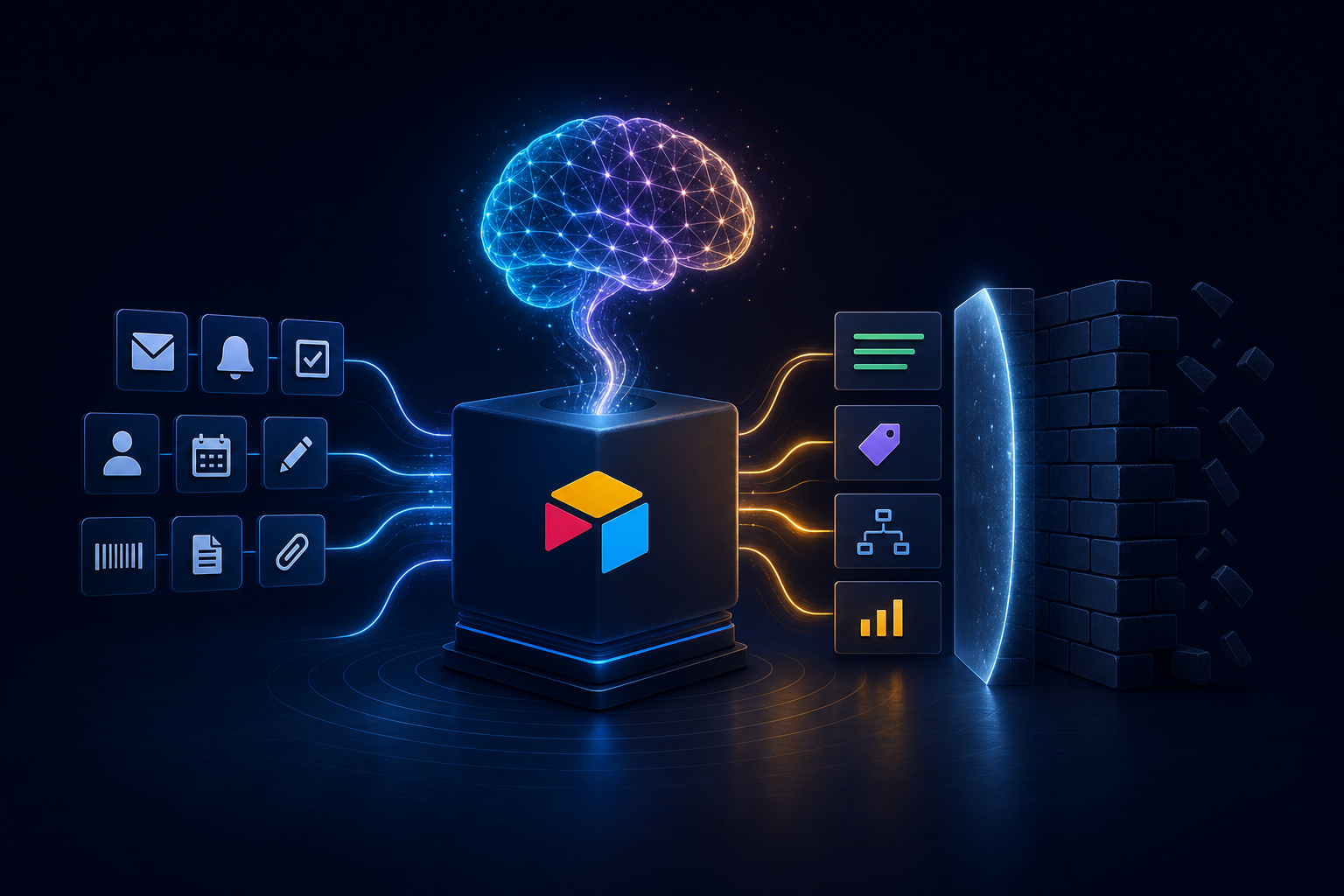
Airtable automation with AI can eliminate repetitive work — but it has real limits. Learn what's possible, where it breaks down, and how to plan around it.
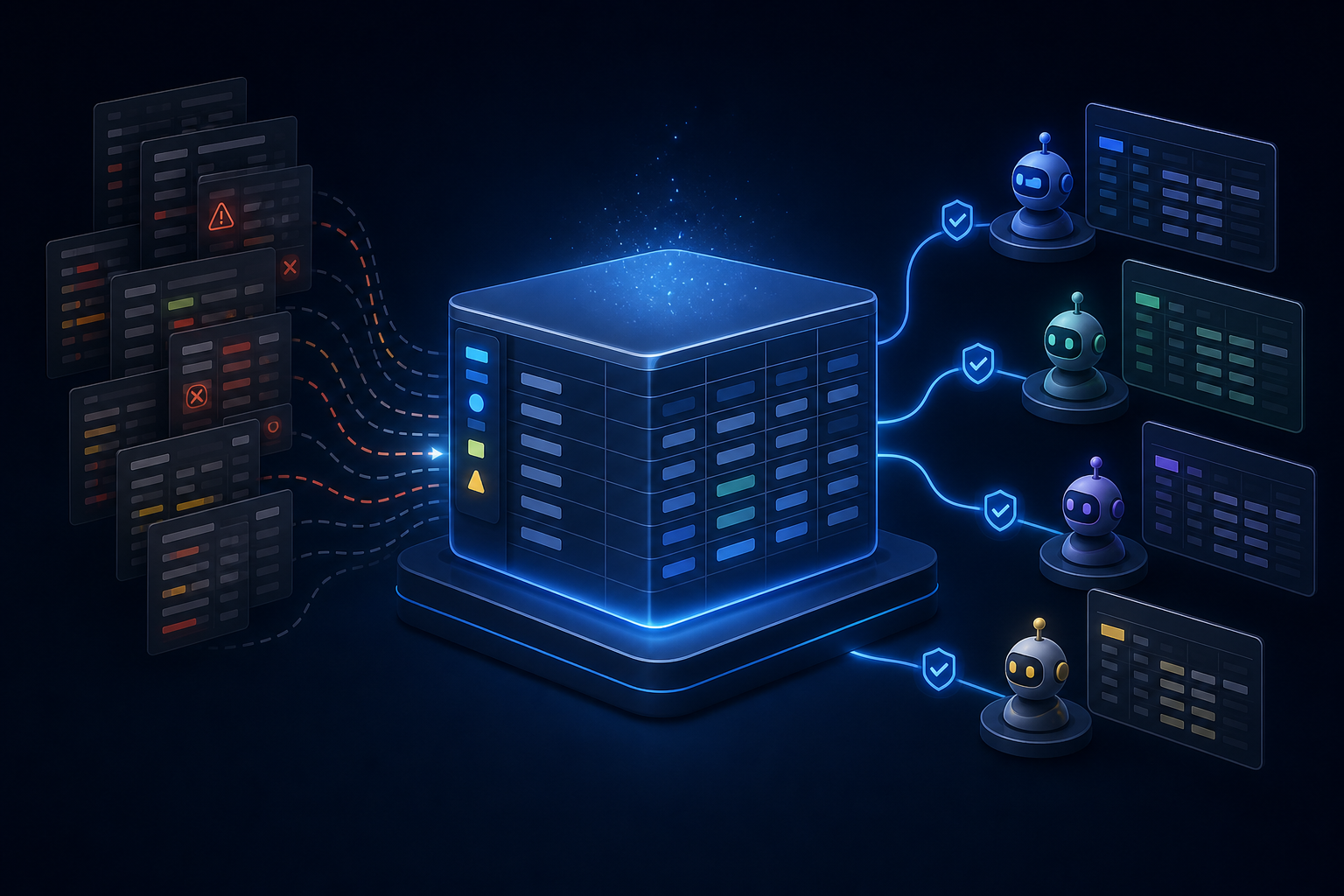
Airtable AI integration works best when your base is built for it. Learn how to structure your data so AI agents can read, reason, and act reliably.


