



ai-automation
Autonomous Workflows. AI That Runs Operations
Autonomous workflows allow AI to coordinate tasks, decisions, and actions across systems. This shift moves businesses from manual processes to intelligent, self-operating workflows.

Flutter has matured into a strategic advantage for U.S. SMBs. Learn how to build faster, smarter cross-platform apps using Firebase, AI, and agile workflows.
As we near the end of 2025, the world of mobile app development is evolving at record speed. Founders of U.S. small and medium-sized businesses (SMBs) are no longer asking if they should go mobile—they're asking how to do it faster, more affordably, and with fewer technical hurdles. Flutter, Google’s open-source UI toolkit, continues to rise as the platform of choice for companies that want to build beautiful, performant applications across iOS, Android, desktop, and web—without duplicating codebases or budgets.
At Singular Innovation, we work with SMBs nationwide—from Miami to Austin to Seattle—helping them bring products to life using tools like Flutter. As part of our co-innovation model, we specialize in accelerating development for startups and growing companies through agile sprints and low-code integrations that reduce time-to-launch.
Flutter has matured considerably since its debut in 2017. In 2026, it features:
This means developers and non-technical founders alike can launch highly polished cross-platform applications with consistent design, near-native performance, and minimal overhead.
For SMBs, Flutter offers clear operational advantages:
Cross-platform frameworks like Flutter now outperform native stacks in development speed and flexibility—especially for startups who want to validate ideas fast.
Flutter’s growth isn’t just about the SDK—its ecosystem is thriving. Many teams now integrate it seamlessly with powerful services like Firebase, enabling real-time databases, analytics, and secure authentication out of the box.
These integrations reduce backend complexity and make Flutter ideal for:
At Singular, we help founders build on top of these tools with scalable logic, automation, and analytics.
Flutter’s adoption continues to grow in North America. According to the JetBrains Developer Ecosystem 2025 survey Flutter usage has increased by over 30% among small business teams building mobile apps. This growth is fueled by:
Flutter isn’t standing still. It’s evolving to support:
AI-driven features are becoming a key part of modern app development. Whether it’s automating workflows, predicting user behavior, or enabling personalized experiences, Flutter makes implementation smoother thanks to its flexible architecture.
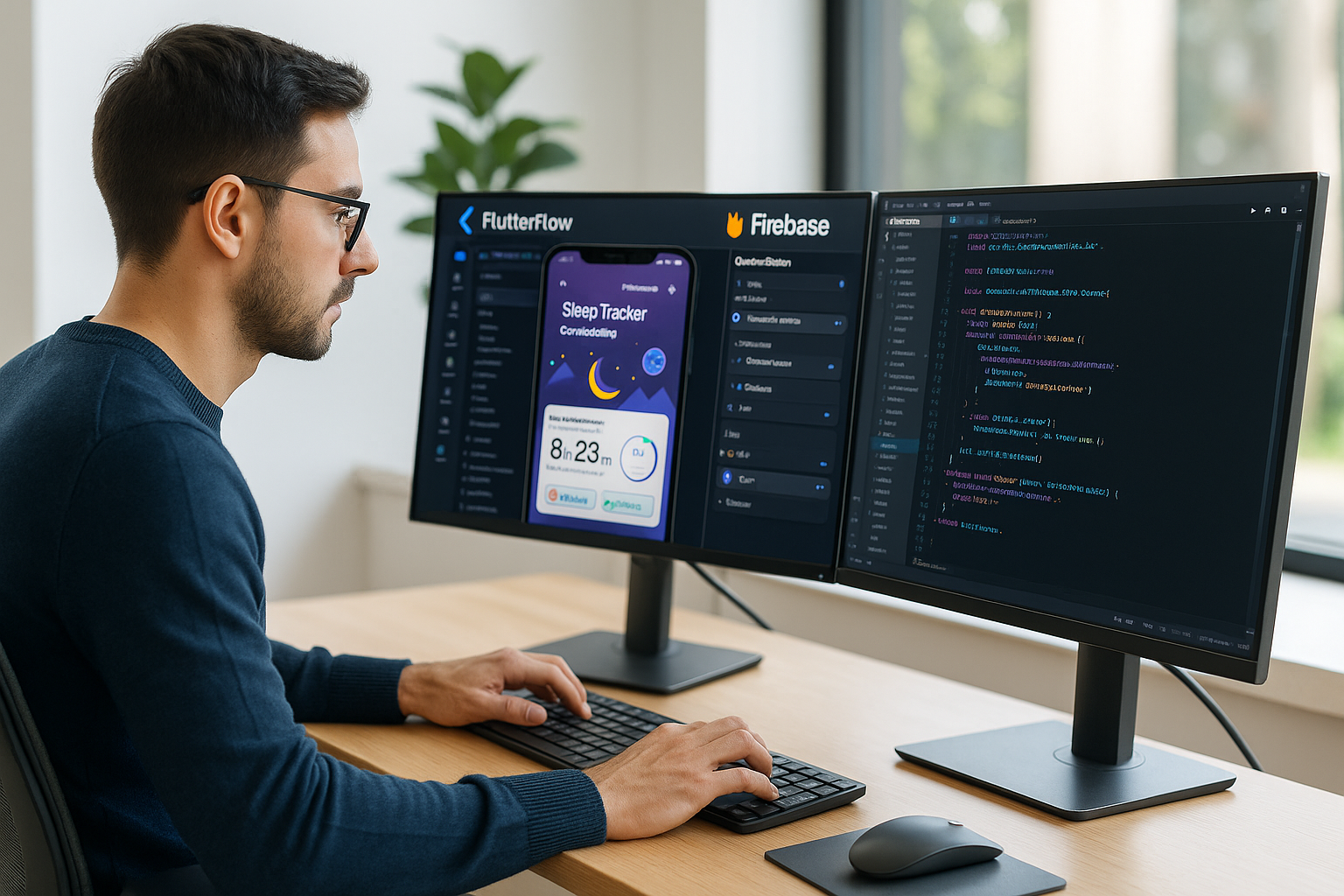
A New York-based founder in the education space partnered with Singular Innovation to launch an AI-enabled mobile portal. Using Flutter + Firebase, we:
Now the startup is live, raising funds, and iterating faster than competitors still caught in legacy stacks.
Whether you're in Chicago, Houston, or San Diego, the message is clear: Flutter is no longer an emerging tool—it's a proven path to smarter, faster app delivery.
Want help choosing the right stack or getting your MVP live?
➔ Schedule a free 30 min strategy call with Singular Innovation. We’ll help you turn vision into product—at startup speed.
What is Flutter used for?
Flutter is used to build cross-platform mobile, web, and desktop apps from a single codebase. It offers near-native performance and consistent UI.
Is Flutter good for small businesses?
Yes. Flutter’s cost-efficiency, speed, and flexibility make it ideal for SMBs launching MVPs or full-featured apps.
Can Flutter integrate AI tools?
Absolutely. Flutter supports integration with GPT APIs, Firebase ML, and AI services for features like chatbots, recommendation engines, and automation.
Is Flutter better than native development?
For many use cases, yes. Flutter reduces cost and time to market while maintaining performance—though complex native integrations may still require platform-specific code.
What kind of apps can you build with Flutter?
Anything from e-commerce apps to booking platforms, internal tools, educational apps, and more. Flutter's flexibility supports both simple MVPs and enterprise-grade products.
This article was developed with the assistance of AI tools (e.g., huminize.io) and reviewed by the Singular Innovation team for accuracy and context.
Autonomous workflows allow AI to coordinate tasks, decisions, and actions across systems. This shift moves businesses from manual processes to intelligent, self-operating workflows.
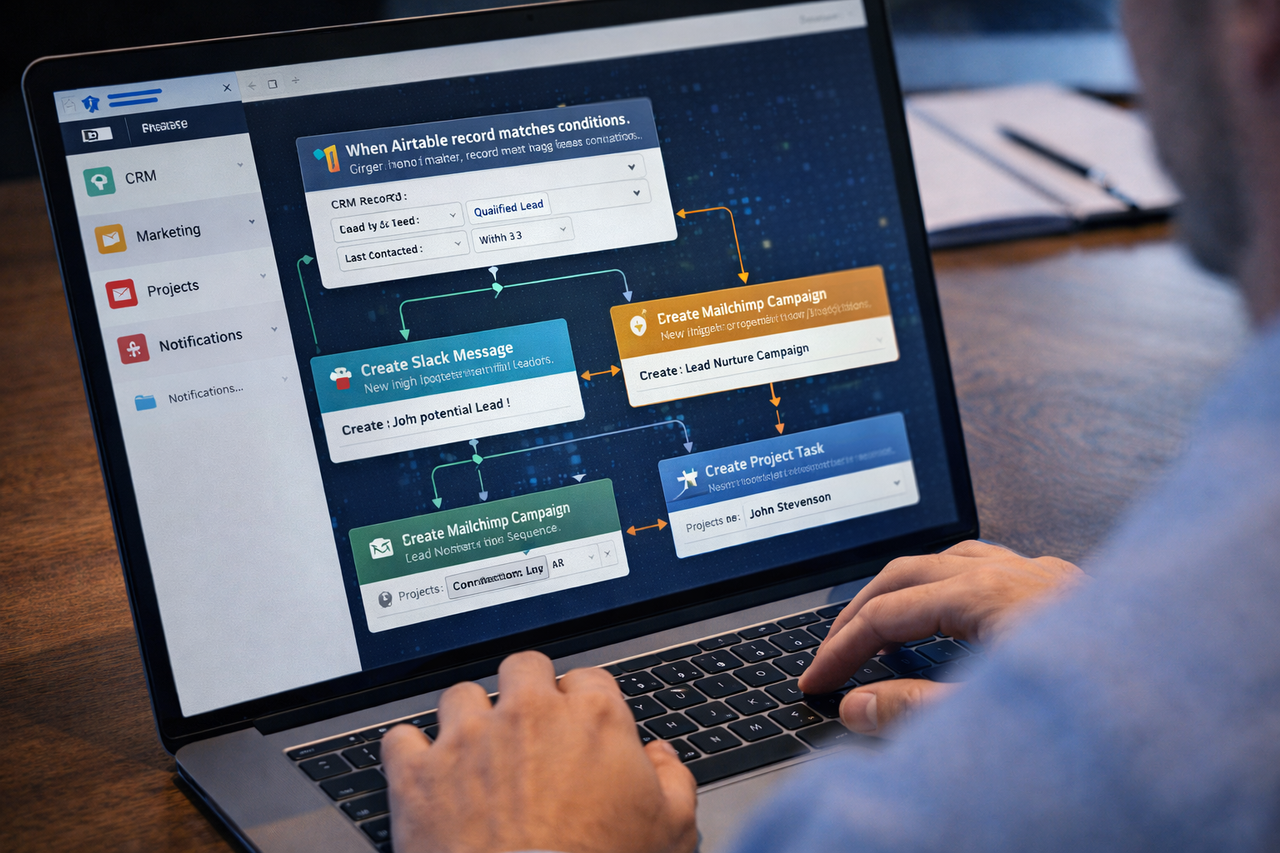
SMBs can now build AI workflows without engineering teams. No-code platforms like Airtable Omni allow companies to connect apps, automate processes, and deploy AI agents that manage operations across their digital systems.
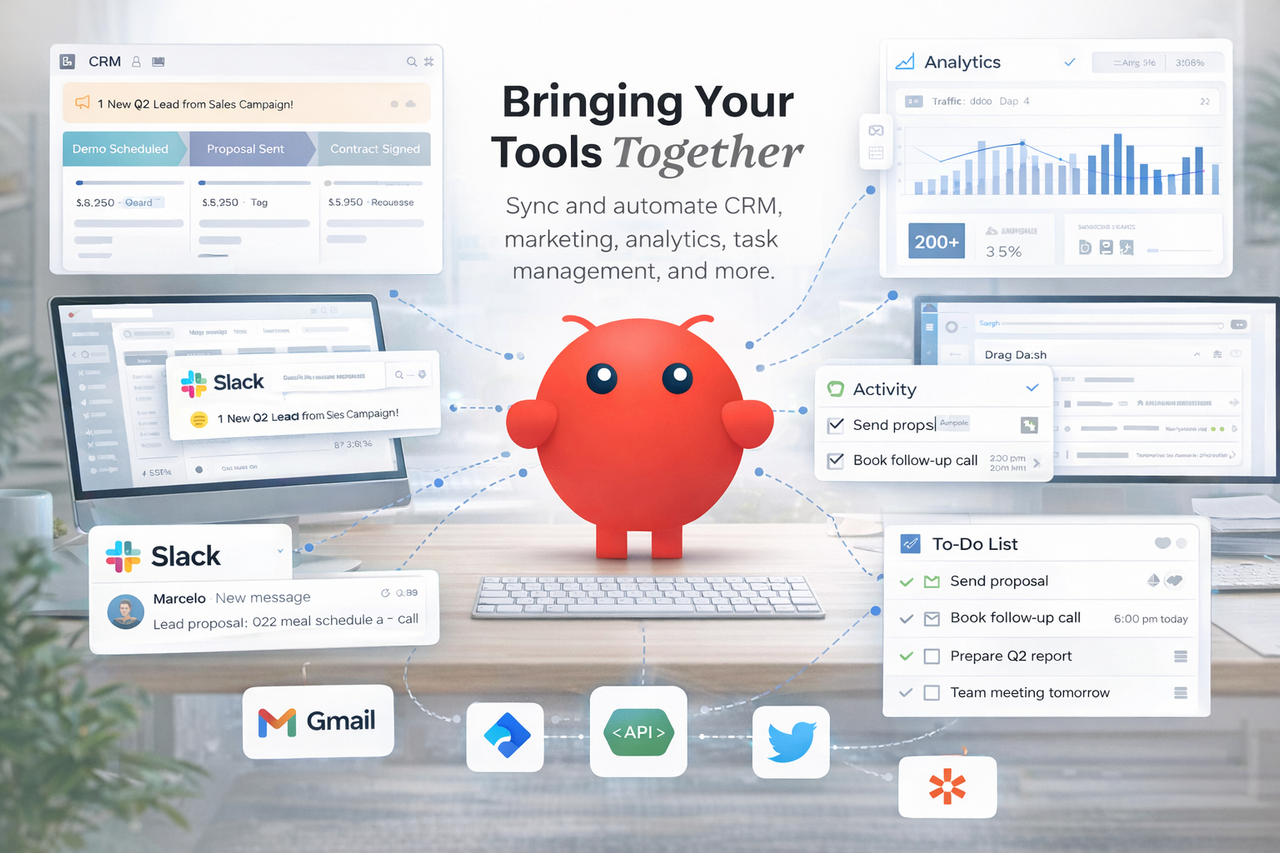
OpenClaw functions as a Second Brain and Agent OS for businesses, coordinating workflows, automating processes, and connecting operational systems into a unified AI-powered infrastructure.


