


ai-automation
Autonomous Workflows. AI That Runs Operations
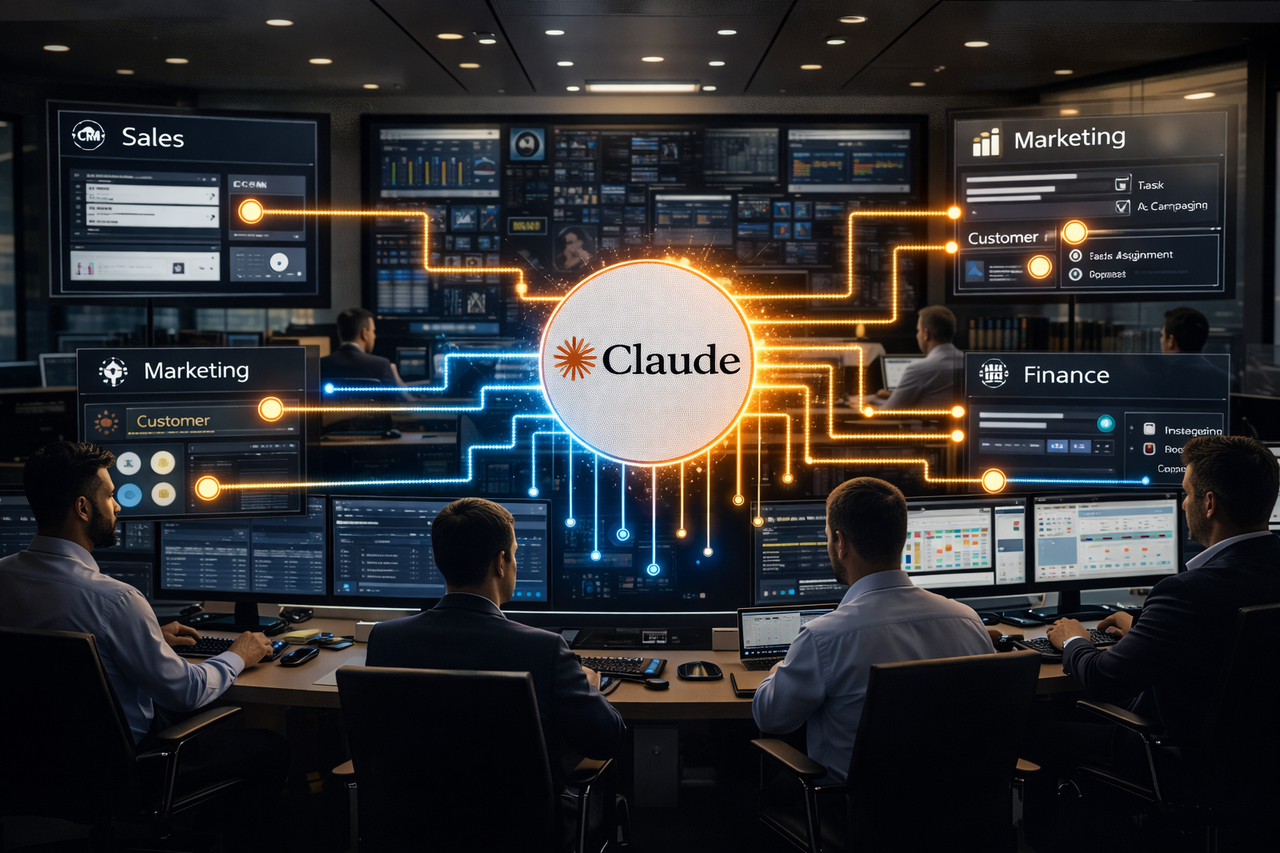
Autonomous workflows allow AI to coordinate tasks, decisions, and actions across systems. This shift moves businesses from manual processes to intelligent, self-operating workflows.
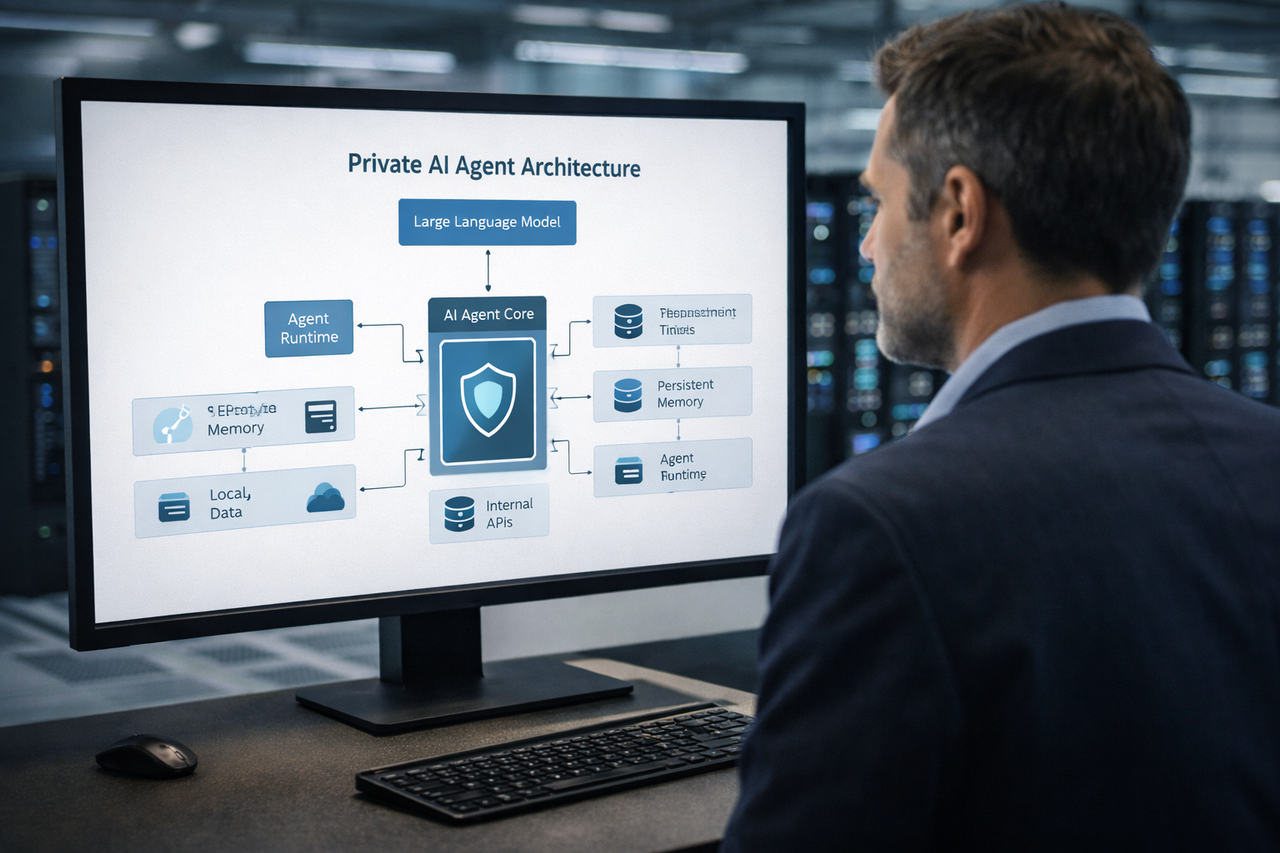
OpenClaw introduces a local-first AI agent runtime that decouples models from execution control. This enables persistent, private, autonomous digital employees. The shift toward private agent infrastructure demands new governance models.
Artificial intelligence adoption over the last three years has been dominated by centralized providers. Organizations interact with AI through chat interfaces hosted on external servers. Intelligence is rented by the token. Data leaves the perimeter. Control resides elsewhere.
This architecture created accessibility. It did not create sovereignty.
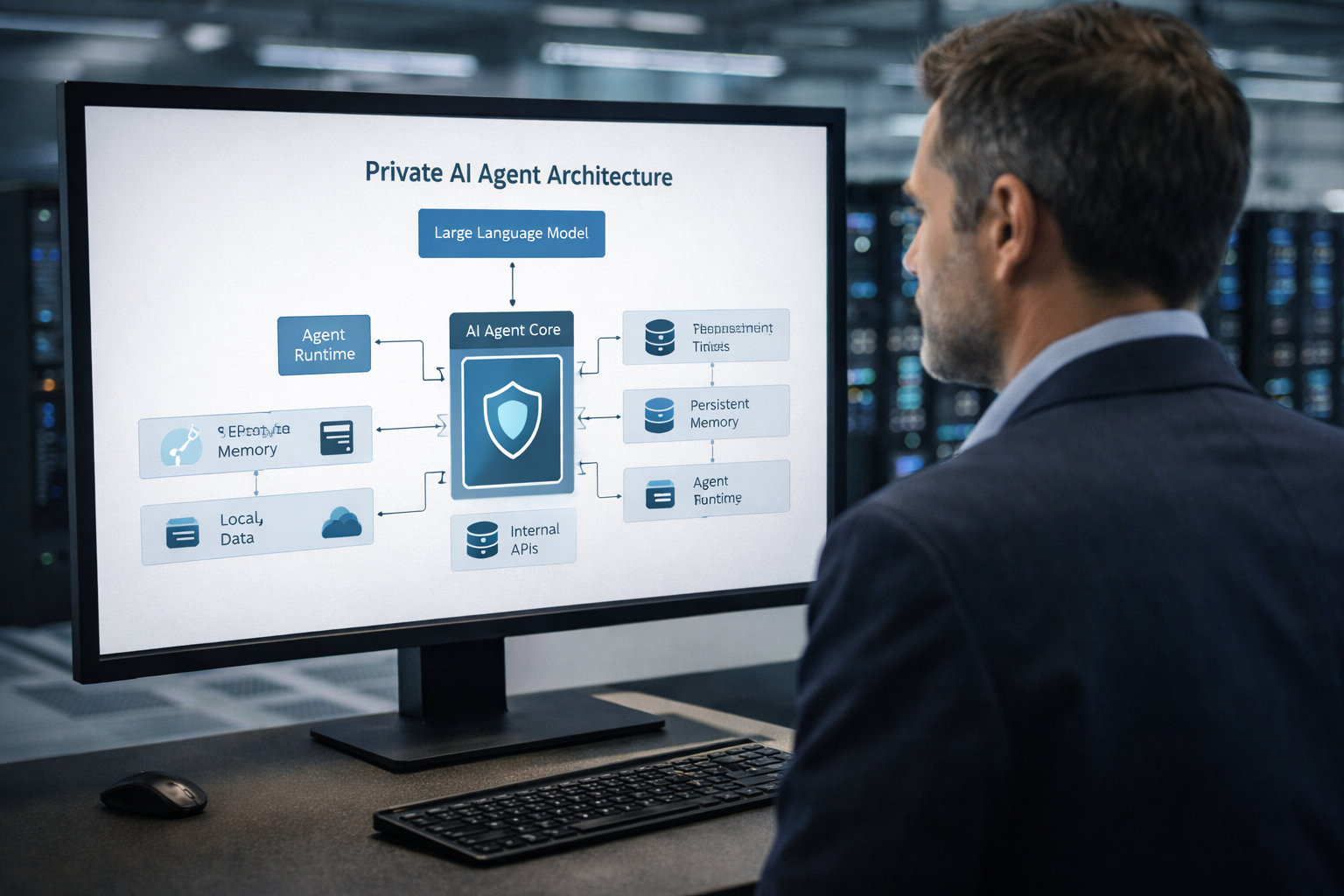
OpenClaw represents a structural shift in how AI systems are deployed. It is not simply another model interface. It is an agent runtime environment designed to run locally or within private infrastructure, separating model intelligence from execution control.
This decoupling marks what can legitimately be described as the open source moment for AI agents.
The shift is architectural, economic, and strategic.
OpenClaw is an open-source agent runtime framework that enables organizations to deploy autonomous AI agents on local machines or private servers.
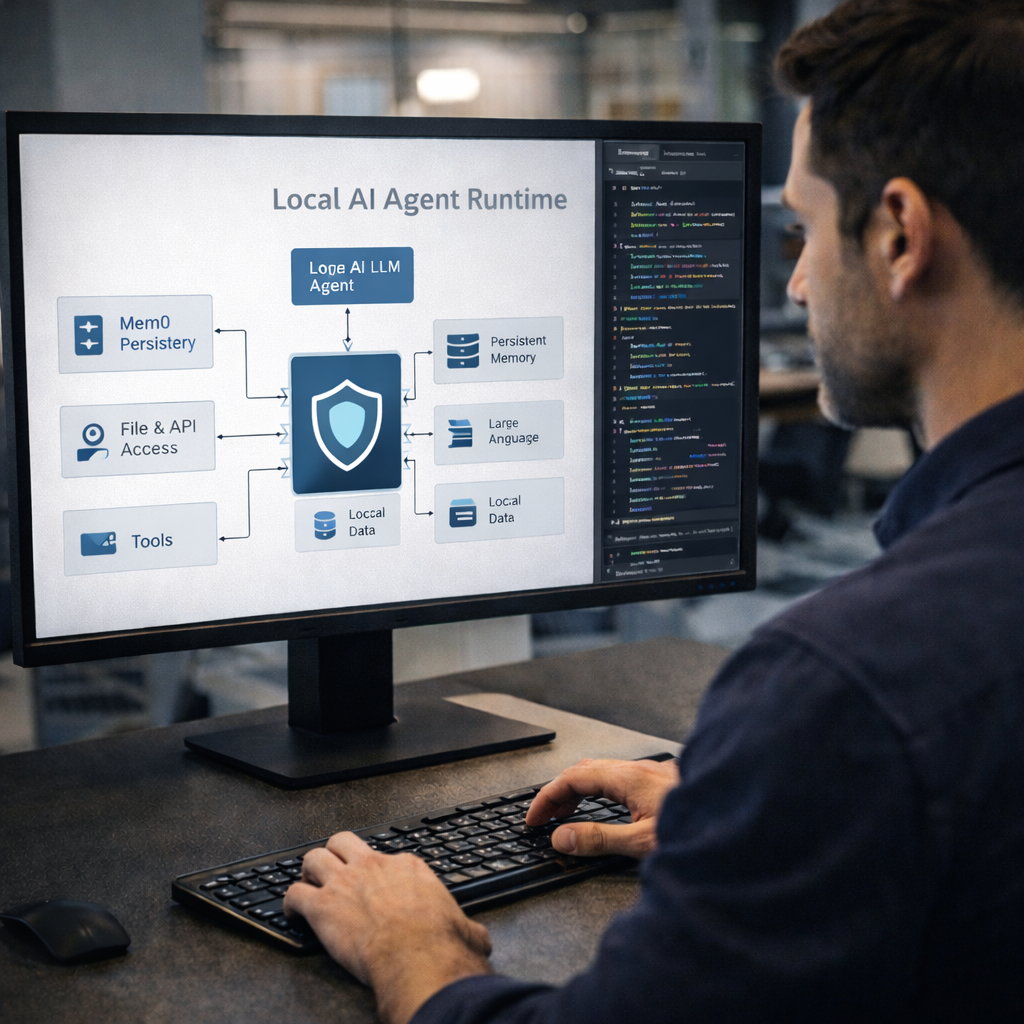
It provides:
Agent runtime management
Tool orchestration
Local file and API access
Persistent memory integration
Model agnostic configuration
Unlike cloud chat systems, OpenClaw treats the large language model as a replaceable cognitive module. The runtime controls memory, permissions, and task execution independently of the model provider.
This separation creates operational flexibility.
The architectural philosophy resembles traditional operating system design. In computing, the operating system manages hardware resources while applications remain modular. OpenClaw applies this abstraction layer to AI agents.
The broader shift mirrors the historical open source movement in infrastructure.
Linux did not replace proprietary software by offering better applications. It replaced proprietary control by offering an open kernel that developers could build upon.
OpenClaw performs a similar function for AI agents.
To understand the significance, consider the limitations of the centralized AI paradigm:
Model and interface are bundled.
Data is processed externally.
Memory resets per session.
Tool access is constrained by provider policies.
In contrast, OpenClaw decouples:
Execution from intelligence.
Interface from model.
Memory from context window.
Infrastructure from vendor.
This decoupling enables architectural autonomy.
The importance of open runtime systems is well documented in enterprise infrastructure research. The Linux Foundation has repeatedly highlighted how open ecosystems accelerate innovation by lowering platform lock-in risk.
Reference: The Linux Foundation. The Economic Impact of Open Source.
https://www.linuxfoundation.org/research/the-economic-impact-of-open-source
OpenClaw extends that principle to AI agents.
Adopting OpenClaw changes how AI is embedded inside enterprise systems.
Because the runtime separates the model layer, organizations can dynamically select different LLMs for different tasks.
High-precision reasoning tasks can use premium models.
Background summarization can use cost-efficient models.
Experimental reasoning tasks can test emerging open models.
This flexibility reduces dependency risk.
Running the agent locally ensures:
Sensitive files remain within perimeter.
Internal APIs are accessed without public exposure.
Regulatory compliance remains manageable.
This aligns with enterprise governance principles outlined by frameworks such as NIST’s AI Risk Management Framework, which emphasizes accountability and secure deployment of AI systems.
Reference: National Institute of Standards and Technology. AI Risk Management Framework.
https://www.nist.gov/itl/ai-risk-management-framework
Standard LLM sessions are stateless. Once the context window fills, prior information disappears.
OpenClaw integrates with persistent memory systems such as Mem0, allowing structured knowledge retention.
Persistent memory enables:
Long-term task continuity.
Organizational knowledge accumulation.
Learned behavioral adaptation.
An agent becomes an appreciating asset rather than a temporary query engine.
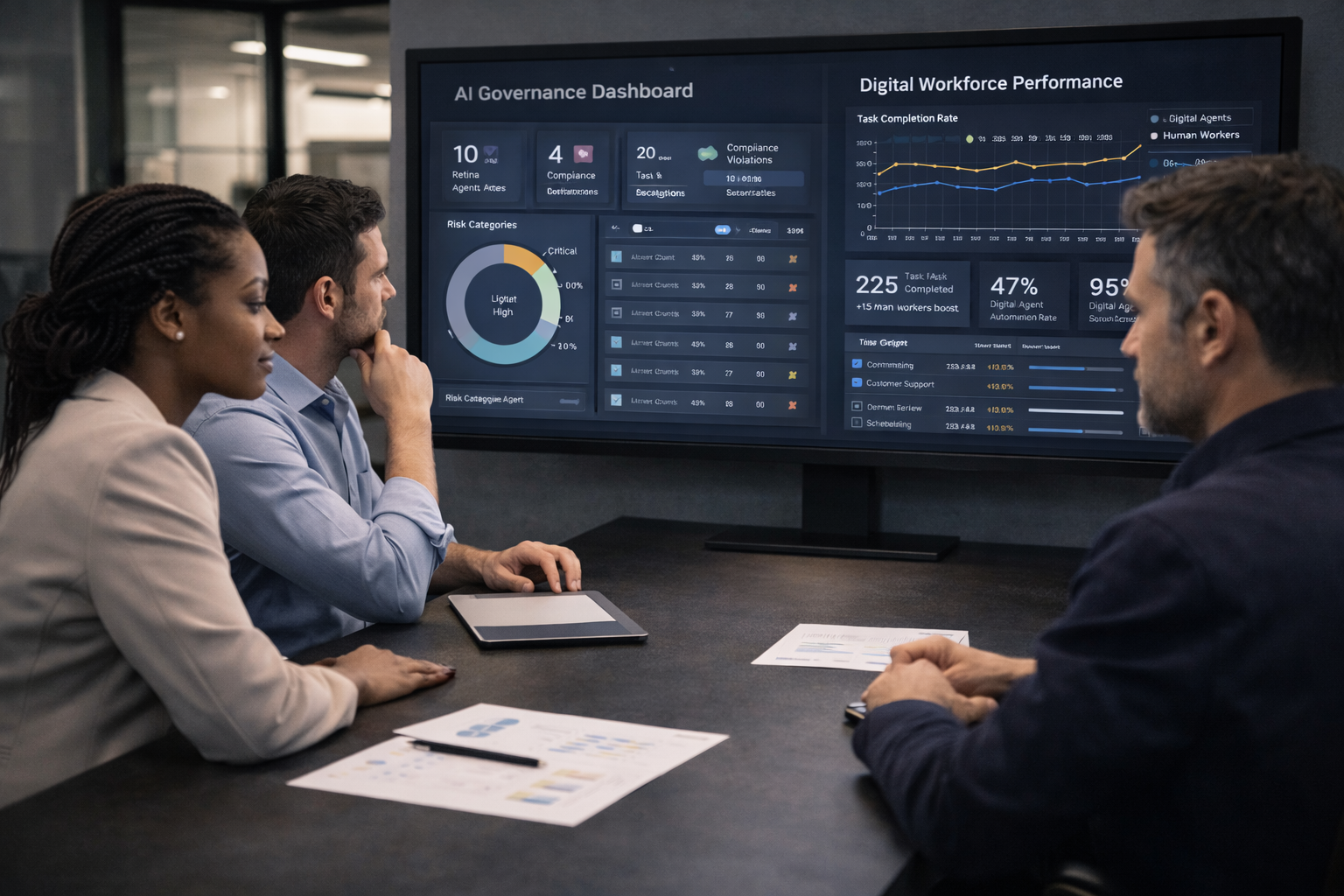
The implications for SMBs are substantial.
When an agent has:
Tool access
Persistent memory
Execution authority
Continuous availability
It transitions from assistant to autonomous digital worker.
This changes organizational design.
Low-cost model integration enables continuous background intelligence.
Agents can:
Monitor inboxes.
Track project updates.
Summarize operational dashboards.
Flag anomalies proactively.
This shifts AI from reactive tool to proactive layer.
Because OpenClaw operates locally, it can interact with:
Internal databases.
Secure document repositories.
Private analytics dashboards.
Enterprise SaaS tools via authenticated APIs.
This unlocks automation scenarios that centralized cloud agents cannot safely execute.
Autonomous agents consume tokens continuously.
Monitoring, looping, summarizing, analyzing logs, and performing checks at scale creates high token volume.
Premium models such as GPT-4 or Claude Opus are economically unsustainable for continuous background operation.
Lower-cost models, including Kimi K2.5 by Moonshot AI, introduce a new cost dynamic. They offer high reasoning capacity at a significantly reduced per-token price.
When cost decreases, architecture changes.
High cost models are used episodically.
Low cost models can operate persistently.
This transforms AI from intermittent tool to infrastructural layer.
Economic accessibility accelerates adoption.
Enterprise AI agents face a structural risk known informally as the lethal trifecta:
Access to sensitive data
Exposure to untrusted content
Authority to execute actions
Centralized cloud agents amplify risk because data leaves organizational control.
OpenClaw mitigates risk by keeping authority local, but governance remains essential.
Organizations must define:
Explicit permission boundaries.
Tool access constraints.
Action authorization layers.
Audit logging.
Local control reduces exposure but does not eliminate responsibility.
Autonomous agents require oversight mechanisms:
Activity logging
Performance monitoring
Escalation thresholds
Manual override controls
Governance becomes a management function.
The trajectory extends beyond automation.
Subagent architectures are emerging. These are specialized agent instances dedicated to discrete roles:
Research subagent
Code review subagent
Compliance monitoring subagent
Scheduling coordinator
These agents can coordinate, share memory, and report outcomes.
The concept resembles multi-agent systems research, which has been studied for decades in distributed AI literature. What changes in 2026 is feasibility and cost.
When agents communicate with each other programmatically, machine-to-machine workflows emerge.
The result is not improved tooling. It is workforce augmentation.
Organizations will manage digital labor alongside human teams.
Governance structures must evolve accordingly.
If AI agents function as digital employees, organizations must define:
Define values and behavioral constraints.
Configure tool permissions.
Establish domain knowledge inputs.
Accuracy thresholds
Response latency
Task completion rates
Escalation frequency
Data access boundaries
Logging requirements
Regulatory adherence
The competitive advantage will not lie in deploying the most powerful model. It will lie in managing digital agents responsibly.
Governance maturity will differentiate leaders from adopters.
OpenClaw represents more than a technical framework. It signals a structural shift in AI deployment.
The decoupling of intelligence from execution control restores architectural sovereignty to organizations.
Private AI agents with persistent memory and tool access transform automation into digital labor.
Cost-efficient models enable continuous operation.
The opportunity is large. The governance responsibility is larger.
The future of work will not be defined by chat interfaces. It will be defined by organizations capable of managing a workforce that includes autonomous software agents.
The open source moment for AI agents has arrived.
OpenClaw is an open-source runtime environment for deploying autonomous AI agents locally or within private infrastructure. It separates the model layer from execution control, enabling greater flexibility and privacy.
Because it prevents vendor lock-in and allows organizations to select models dynamically based on cost, performance, or security needs without rebuilding infrastructure.
Local deployment reduces data exposure risk but still requires strong governance, sandboxing, and audit controls to prevent misuse or unintended actions.
Autonomous agents operate continuously. Lower-cost models enable persistent background operation, which is economically infeasible with premium-only architectures.
Early forms already exist through task-specific autonomous agents. Full workforce integration requires governance maturity and structured oversight mechanisms.
If your organization is evaluating private AI agent deployment, governance frameworks, or cost-efficient multi-model architectures, schedule a 30-minute free discovery session.
Book here:
https://app.iclosed.io/e/singularagency/schedule-a-discovery-call
AI tools assisted in drafting and structural refinement. Strategic interpretation and governance framing were reviewed for executive clarity and technical coherence.
Autonomous workflows allow AI to coordinate tasks, decisions, and actions across systems. This shift moves businesses from manual processes to intelligent, self-operating workflows.
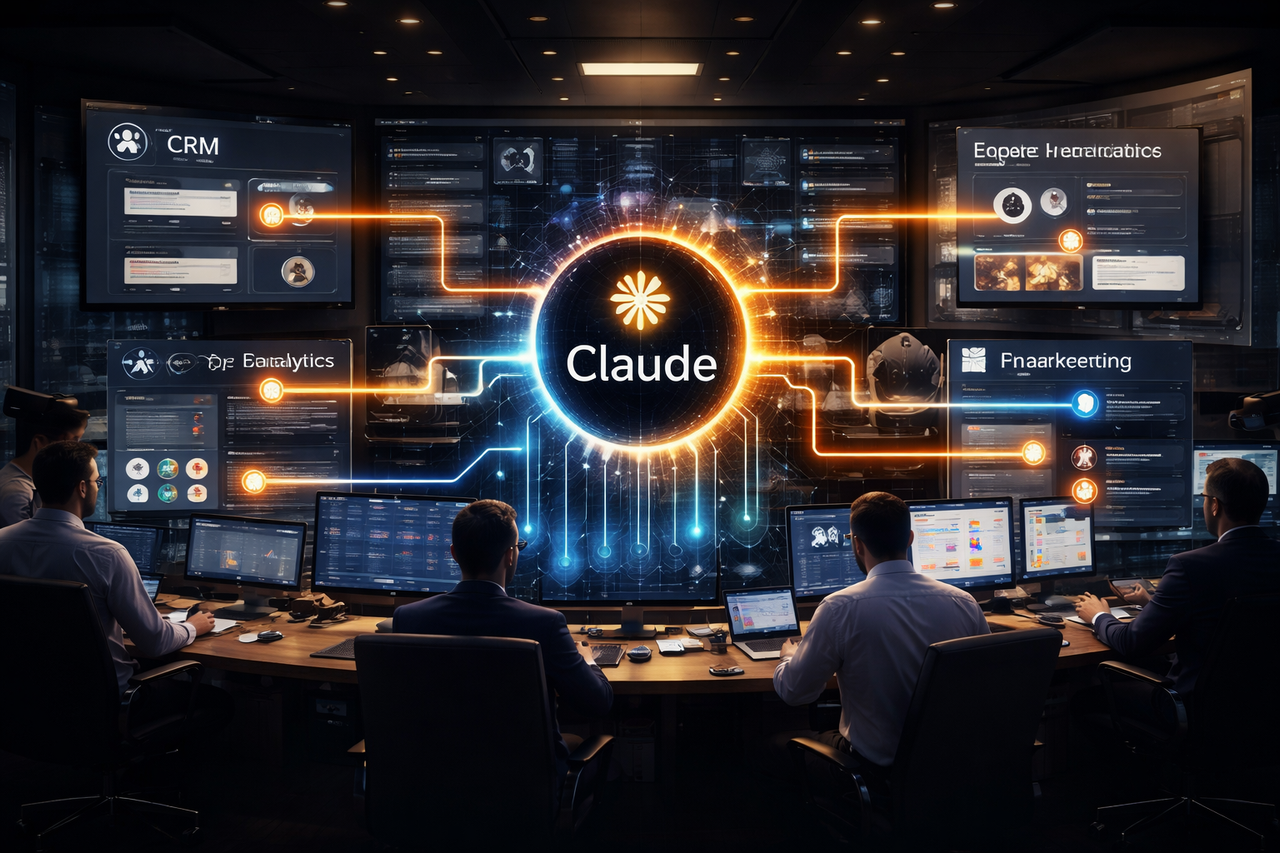
Dashboards show what happened. AI operations systems decide and act on what should happen next. This shift is redefining how companies run their day to day operations.

LLMs are powerful, but prompts alone do not create business impact. Real value comes from embedding LLMs into workflows that connect data, decisions, and actions across systems.


