


ai-automation
Autonomous Workflows. AI That Runs Operations
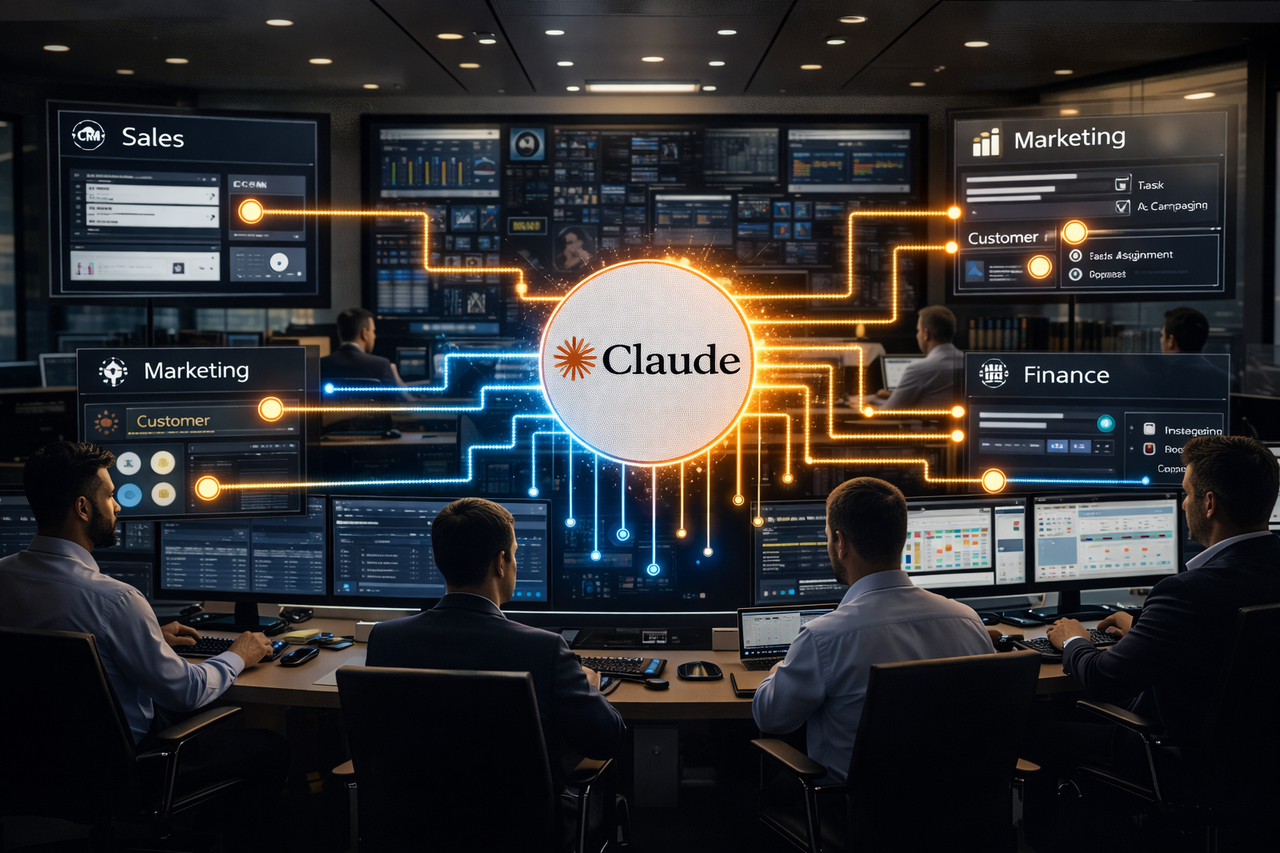
Autonomous workflows allow AI to coordinate tasks, decisions, and actions across systems. This shift moves businesses from manual processes to intelligent, self-operating workflows.
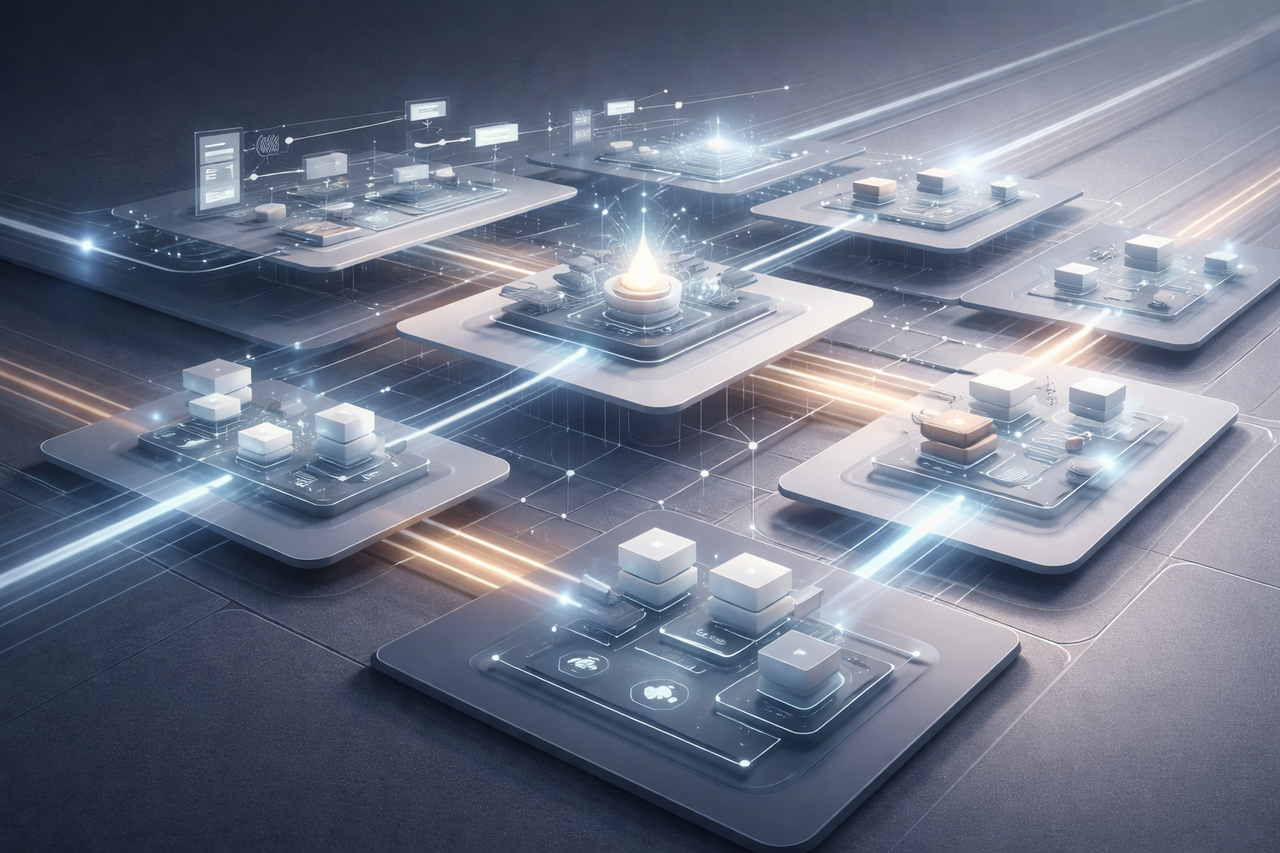
This article explains how the Product Owner role has evolved in the AI era. It outlines the competencies, frameworks, and practical strategies required to lead digital transformation using AI workflows, no-code platforms, and modern product thinking in 2026.

The modern Product Owner is responsible for orchestrating how business strategy is translated into scalable digital systems, combining AI capabilities, workflow design, and organizational change.
The role of the Product Owner has fundamentally changed. Five years ago, the focus was managing backlogs, refining requirements, and prioritizing delivery. In 2026, Product Owners operate at the intersection of strategy, technology, and transformation.
They evaluate AI capabilities, enable citizen development, design workflows across platforms, and influence how organizations adapt to continuous technological change. The scope is broader, and the stakes are higher.
This shift is not theoretical. Organizations that empower Product Owners to think strategically about AI integration, no-code platforms, and workflow automation scale faster and deliver value more consistently. Those that treat AI as a feature or no-code as a side experiment miss the opportunity to redesign how value is created.
High-performing organizations follow a consistent pattern when translating digital ambition into results. The framework is simple, but its discipline is what makes it effective.
Discovery. Understanding the Problem Space
Discovery is not a preliminary task. It is an ongoing practice.
Product Owners systematically analyze user needs, operational inefficiencies, market dynamics, and data constraints. They ask where teams lose time on low-value work, where decision-making slows due to fragmented data, and which processes are constrained by legacy assumptions.
Skipping discovery leads to well-built solutions that solve the wrong problems.
Concept. Designing the Solution Strategy
Once the problem space is understood, the concept phase defines how the organization will respond.
In 2026, this includes explicit decisions about AI augmentation, automation boundaries, data foundations, and scalability assumptions. The output is not just a roadmap, but a shared understanding of what success looks like and why the solution exists.
Clarity at this stage prevents misalignment later.
Design Thinking. Prototyping and Iteration
Design thinking reduces risk by making ideas tangible early.
Modern Product Owners leverage rapid prototyping tools to visualize workflows, interfaces, and system behavior before committing to full implementation. This allows assumptions to be tested quickly and cheaply.
The key question is not whether the solution can be built, but whether it should be.
Implementation. Building and Scaling
Implementation focuses on learning, not perfection.
Using no-code platforms and AI automation, Product Owners launch core capabilities, observe real usage, and iterate. This approach reduces time-to-value and enables continuous evolution rather than static delivery.
AI is no longer optional, but its misuse is common.
The mistake is adding AI to existing workflows. The opportunity is redesigning workflows to be AI-native.
AI agents can observe conditions, reason across context, and take action. When designed well, they reduce cognitive load and free humans to focus on complex judgment rather than routine execution.
The Product Owner’s responsibility is defining where AI accelerates work and where human judgment must remain central.
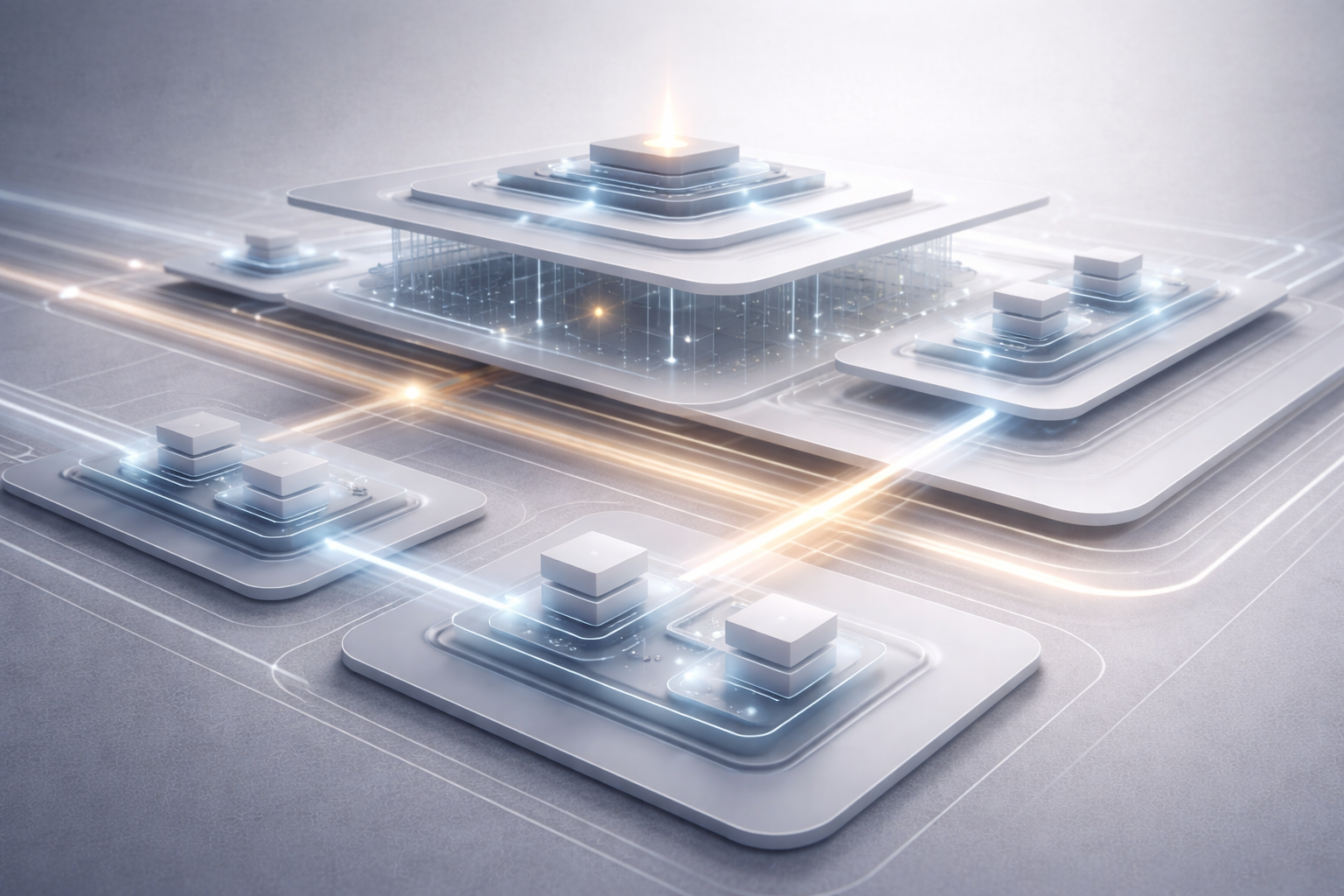
Successful AI systems augment people rather than replace them.
This requires redefining success metrics. Instead of measuring automation volume, organizations measure decision speed, quality of outcomes, and time freed for higher-value work.
AI becomes an execution layer. Humans remain orchestrators.
AI introduces new risks.
Bias, model drift, and regulatory exposure are not theoretical concerns. They are operational realities. Product Owners must ensure transparency, monitoring, and ethical boundaries are embedded in system design.
Responsible AI is not a constraint on innovation. It is a requirement for sustainability.
No-code platforms change who can build.
They allow Product Owners, operators, and domain experts to prototype and deploy solutions without waiting on specialized engineering capacity. The result is faster learning and greater organizational adaptability.
Speed is only part of the value. Flexibility is the real advantage.
Airtable functions as a system of record, workflow engine, and collaboration layer.
FlutterFlow enables rapid deployment of production-grade applications.
Automation platforms connect systems and eliminate manual handoffs.
Together, these tools enable modular, evolvable architectures.
Democratized building requires governance.
Product Owners define access boundaries, data ownership, review processes, and visibility standards. The goal is not control for its own sake, but sustainable velocity.
Without governance, no-code becomes chaos. With it, no-code becomes leverage.
Product Owners in 2026 develop breadth without losing focus.
They build technical fluency without becoming engineers.
They understand financial impact and ROI.
They lead change, not just delivery.
They use data to guide decisions.
They maintain AI literacy and ethical awareness.
This is not optional skill growth. It is role evolution.
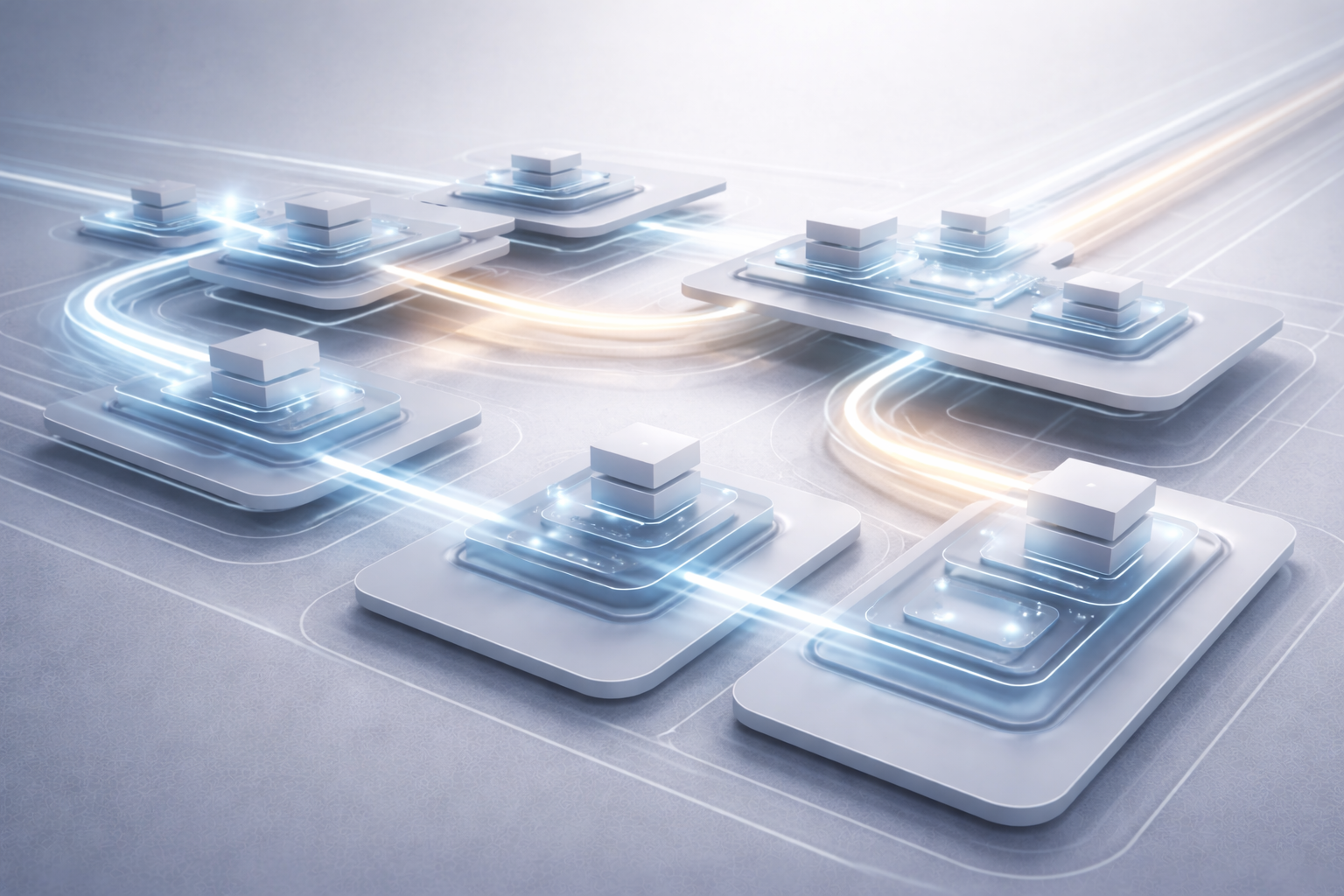
Horizon-based thinking balances immediate delivery with long-term transformation.
Experimentation becomes standard practice, not an exception.
Cross-functional rituals maintain alignment across teams.
Continuous learning keeps Product Owners ahead of technological shifts.
These practices compound over time.
Frequently Asked Questions
What does a Product Owner do in 2026?
In 2026, a Product Owner orchestrates digital systems that translate business strategy into scalable workflows, combining AI capabilities, no-code platforms, and organizational change management.
How has the Product Owner role changed with AI?
The Product Owner role has shifted from backlog management to strategic orchestration, focusing on AI integration, workflow design, data foundations, and responsible automation.
Do Product Owners need to know how to code in 2026?
No. Product Owners need technical fluency rather than coding expertise. They must understand system architecture, data flows, and AI capabilities well enough to make informed strategic decisions.
What are AI workflows in product management?
AI workflows are systems where AI agents automate routine execution and decision support, while humans retain oversight, judgment, and responsibility for complex or sensitive cases.
How should Product Owners use AI responsibly?
Product Owners should ensure transparency, monitor bias and model performance, define clear escalation paths to humans, and design AI systems that augment rather than replace human judgment.
Why are no-code platforms important for Product Owners?
No-code platforms allow Product Owners to prototype, iterate, and deploy solutions faster, reducing dependency on engineering capacity and accelerating time-to-value.
What are the main risks of no-code adoption?
The main risks include lack of governance, data sprawl, and uncontrolled automation. These risks are mitigated through clear access rules, visibility, and ownership standards.
How do Product Owners balance speed and governance?
By defining lightweight governance frameworks that enable experimentation while protecting data integrity, security, and compliance.
What skills are most important for Product Owners in 2026?
Strategic thinking, AI literacy, data fluency, business acumen, change management, and the ability to design systems rather than individual features.
How should Product Owners measure success in the AI era?
Success should be measured through business outcomes such as decision speed, operational efficiency, user adoption, and the organization’s ability to adapt, not just feature delivery.
Conclusion
The Product Owner role in 2026 is fundamentally strategic.
Organizations that succeed are not those with the most advanced tools, but those with Product Owners who understand how to translate strategy into adaptable systems that create measurable value.
The opportunity is clear. Product Owners can remain tactical coordinators, or they can become architects of transformation.
The organizations leading in 2026 are choosing the latter.
As AI, no-code platforms, and automation reshape how organizations operate, the defining challenge is not technology selection, but strategic orchestration.
If you are reassessing how product ownership functions in your organization, it may be time to examine whether your systems are designed for delivery alone or for continuous transformation.
https://app.iclosed.io/e/singularagency/schedule-a-discovery-call
This article was developed with the assistance of AI tools and reviewed by the Singular Innovation team for accuracy and context.
Autonomous workflows allow AI to coordinate tasks, decisions, and actions across systems. This shift moves businesses from manual processes to intelligent, self-operating workflows.
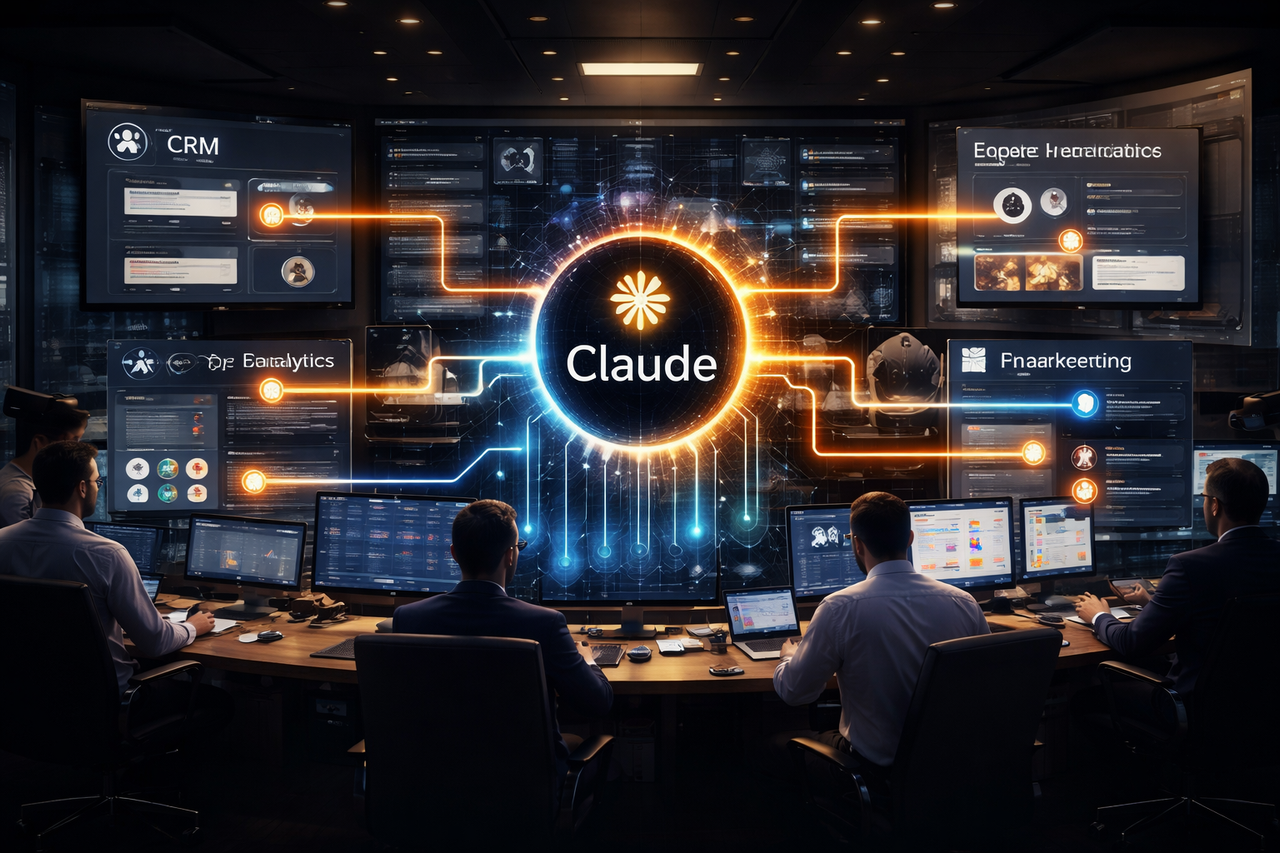
Dashboards show what happened. AI operations systems decide and act on what should happen next. This shift is redefining how companies run their day to day operations.

LLMs are powerful, but prompts alone do not create business impact. Real value comes from embedding LLMs into workflows that connect data, decisions, and actions across systems.


