General
What Is an Agentic Workflow? How AI Agents Replace Manual Process Steps
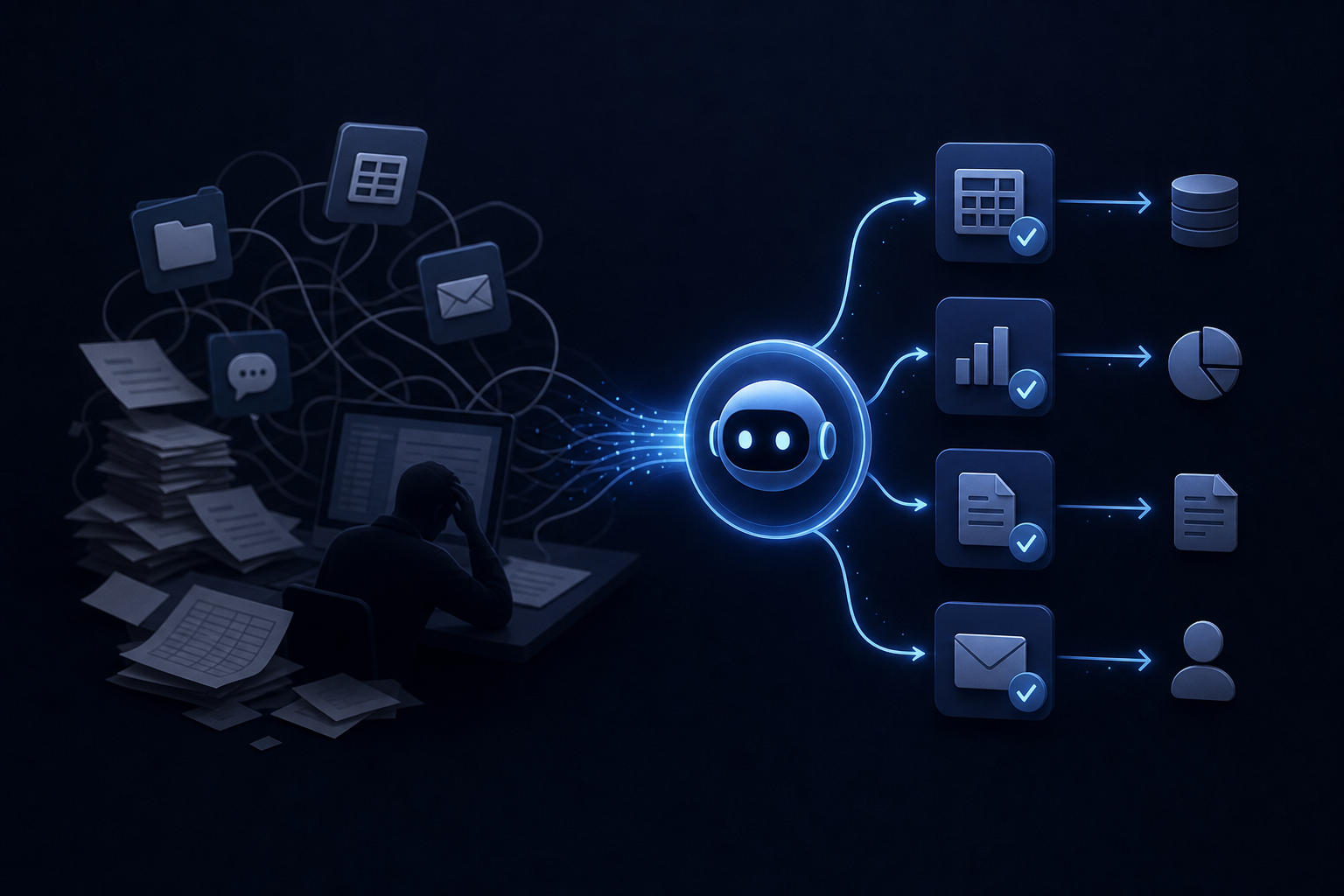
An agentic workflow lets AI agents plan and execute tasks without manual triggers. See how SMBs use them to replace repetitive process steps.
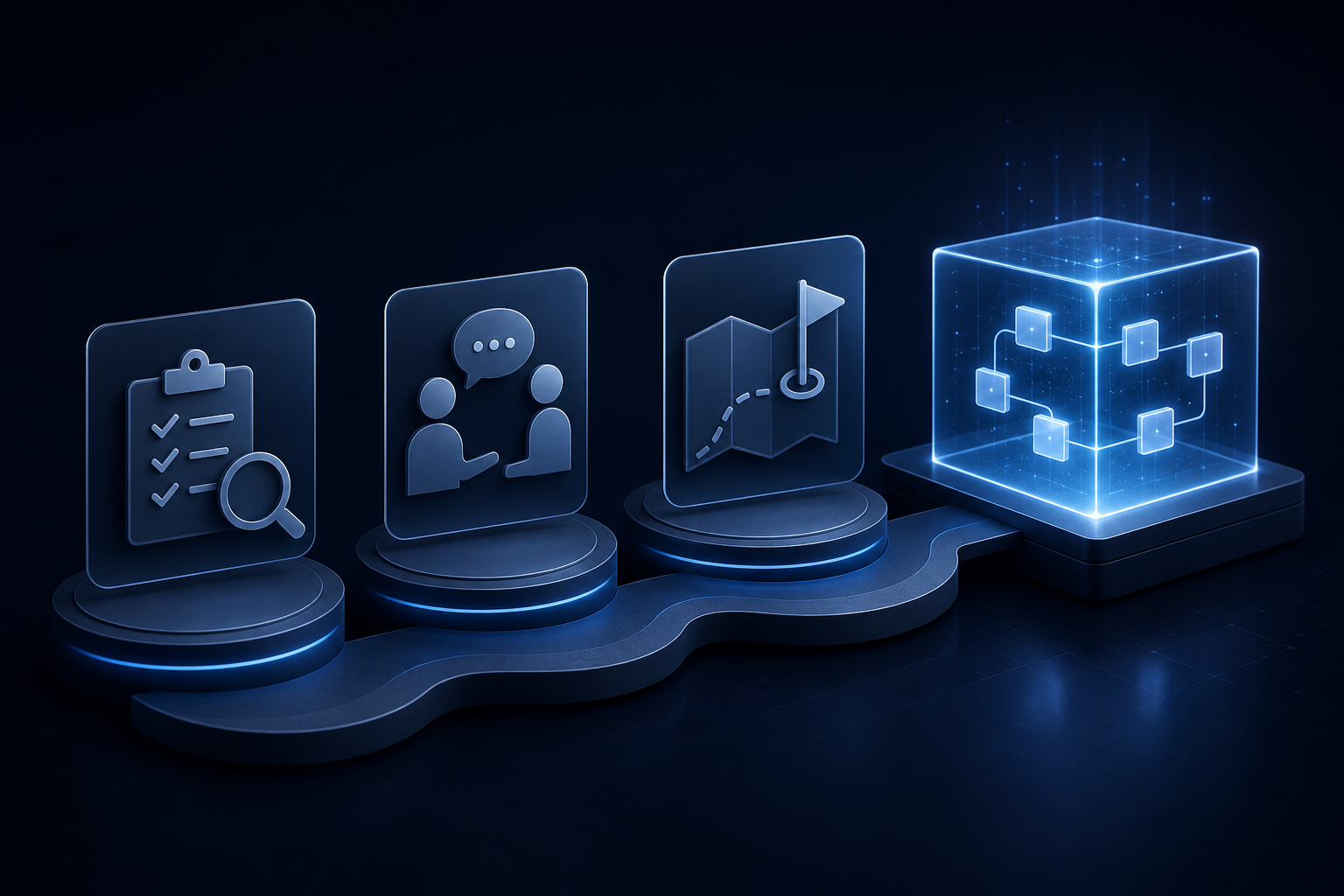
What happens on a call with Singular Innovation before anything gets built, and why it is not a proposal two weeks later.
Most agencies will take your call, nod along, and send you a proposal two weeks later. By the time it lands in your inbox, the momentum is gone and nothing in your business has changed.
That's not how this works.
Before Singular Innovation builds anything inside your stack, there's a structured pre-build process designed to make sure the first thing we ship is the right thing. Here's exactly what happens from the moment you book a strategy call to the moment we start building.
If you've ever hired an agency and ended up with a 40-slide deck and a list of "recommendations," you already know the problem. The gap between strategy and execution is where most AI projects die.
The pre-build phase exists to close that gap before a single line of code or automation is written. It's how we scope a working first release that can be delivered within 10 business days — not a prototype, not a proof of concept, but a functioning system embedded inside your existing tech stack.
Get this phase right and the build moves fast and lands correctly. Skip it and you're building the wrong thing quickly, which is worse than building nothing at all.
The first touchpoint is a free AI readiness audit. This isn't a sales call dressed up as a diagnostic — it's a structured review of where your operations actually stand.
We look at how your data flows today, where manual handoffs are creating drag, which tools you're already running (Airtable, Slack, your CRM, your project management stack), and where fragmentation is causing the most friction.
The output is a clear picture of your current state and, more importantly, a signal about where automation would have the most immediate impact. You walk away with something useful whether or not we end up working together.
Once the audit is complete, the strategy call is where things get specific.
This is an AI transformation agency consultation in the most practical sense of that phrase. We're not walking you through a menu of services and asking which one sounds good. We're working through your actual operations to identify the highest-value workflow to automate first.
A few things we cover:
The call runs 30 minutes. Come with a rough sense of your most painful operational bottleneck. No preparation is required beyond that.
After the strategy call, we produce your AI Strategy and Operating Roadmap — the document that governs the first build.
It identifies the specific workflow we're automating first, defines who owns it inside your organization, sets the success metrics we'll measure against, and maps the release path. It's not a wish list. It's a scoped, executable plan with a defined starting point and a defined finish line.
The roadmap is also what protects the 10-business-day delivery commitment. That commitment applies to a working first release scoped within that window — and the roadmap is what makes that scoping real. If a full multi-system transformation is the eventual goal, the roadmap shows how the first release fits into that larger arc.
Clients like Invercorp, Ediphi, and Travelry came in with complex operational environments. The roadmap process is what let us identify the right starting point rather than trying to automate everything at once.
The pre-build phase isn't just about gathering information. It's a mutual evaluation.
We're assessing whether the engagement is set up to succeed. Specifically:
Data accessibility. Fragmented data is one of the most common reasons AI projects stall. If your business data lives in five disconnected places and none of them talk to each other, data consolidation becomes part of the first build — not an afterthought.
Stack compatibility. We're official Airtable partners and certified Vercel partners, and we work across a wide range of existing tools. But we need to know what you're running before we can confirm how quickly we can embed into it.
Organizational readiness. The best-built system fails if no one inside the business is set up to use it. We look for a clear internal owner for the workflow we're automating. If that person doesn't exist yet, we flag it before we start.
Scope clarity. Vague requests produce vague systems. The pre-build phase is where we turn "we want to use AI" into "we're automating this specific intake process, owned by this person, measured by this metric."
Worth being direct about what the strategy call is not.
It's not a pitch deck walkthrough. We don't spend 30 minutes showing you slides about what AI can theoretically do for businesses like yours.
It's not a requirements-gathering session that feeds into a six-week scoping process. The audit and strategy call together are designed to produce a buildable roadmap — not a precursor to another round of discovery.
It's not a commitment to a specific price. Pricing is project-based and scoped to your specific engagement. We don't publish fixed rates because the right scope varies significantly depending on your stack, your data environment, and the complexity of the workflow we're starting with.
Once the roadmap is signed off, the build begins. The goal for the first release is a working system inside your existing stack within 10 business days.
Depending on what the roadmap identifies, that first release might be a workflow automation that replaces a manual handoff, an AI agent deployed inside your current tools, or a data consolidation layer that makes fragmented information operable for the first time.
At the end of the engagement, you own everything — the workflows, the prompts, the automations, the code, the documentation. No dependency on us to keep the system running. No proprietary tooling that only we can maintain. No retainer required to access what you paid to build.
That's a deliberate design choice. The point is to give your business a functioning second brain, not to create a recurring dependency.
Want to get the most out of the strategy call? Come with answers to these three questions:
You don't need a technical background. You don't need to know what kind of AI system you want — that's what the call is for. But coming in with a clear operational problem means we can move faster from conversation to roadmap to build.
How long does the pre-build process take before you start building? The audit and strategy call together typically take a few days to a week, depending on your availability and the complexity of your operations. The AI Strategy and Operating Roadmap is produced after the strategy call and is the final step before the build begins.
Do I need to know what kind of AI system I want before the call? No. You need to know what operational problem you want to solve. The strategy call is where we translate that into a specific system design and a scoped build plan.
What happens if my data is fragmented across multiple tools? Data consolidation is one of the six core service components. If fragmented data is a barrier to the first build, it gets addressed as part of the engagement — not deferred to a later phase.
Is there a cost for the AI readiness audit? The audit is free. It's the entry point into the engagement and produces useful findings regardless of whether you move forward with a build.
What does "10 business days" actually mean? It means a working first release — scoped and agreed upon in the roadmap phase — is delivered and embedded inside your stack within 10 business days of the build starting. It applies to the first scoped release, not necessarily a complete multi-system transformation.
Who owns what gets built? You do. All workflows, prompts, automations, code, and documentation produced during the engagement are transferred to you in full. There's no proprietary tooling that creates a dependency on Singular Innovation after delivery.
What if I've already worked with another AI agency and it didn't go well? That's one of the most common situations we hear about. The strategy call is a good place to walk through what was built previously, what didn't work, and whether there's a foundation worth building on or a cleaner starting point that makes more sense.
The call is the beginning of a build, not the beginning of a sales cycle. If you're ready to stop running operations manually and want to know exactly what a working AI system inside your business would look like, start at singular-innovation.com.
An agentic workflow lets AI agents plan and execute tasks without manual triggers. See how SMBs use them to replace repetitive process steps.
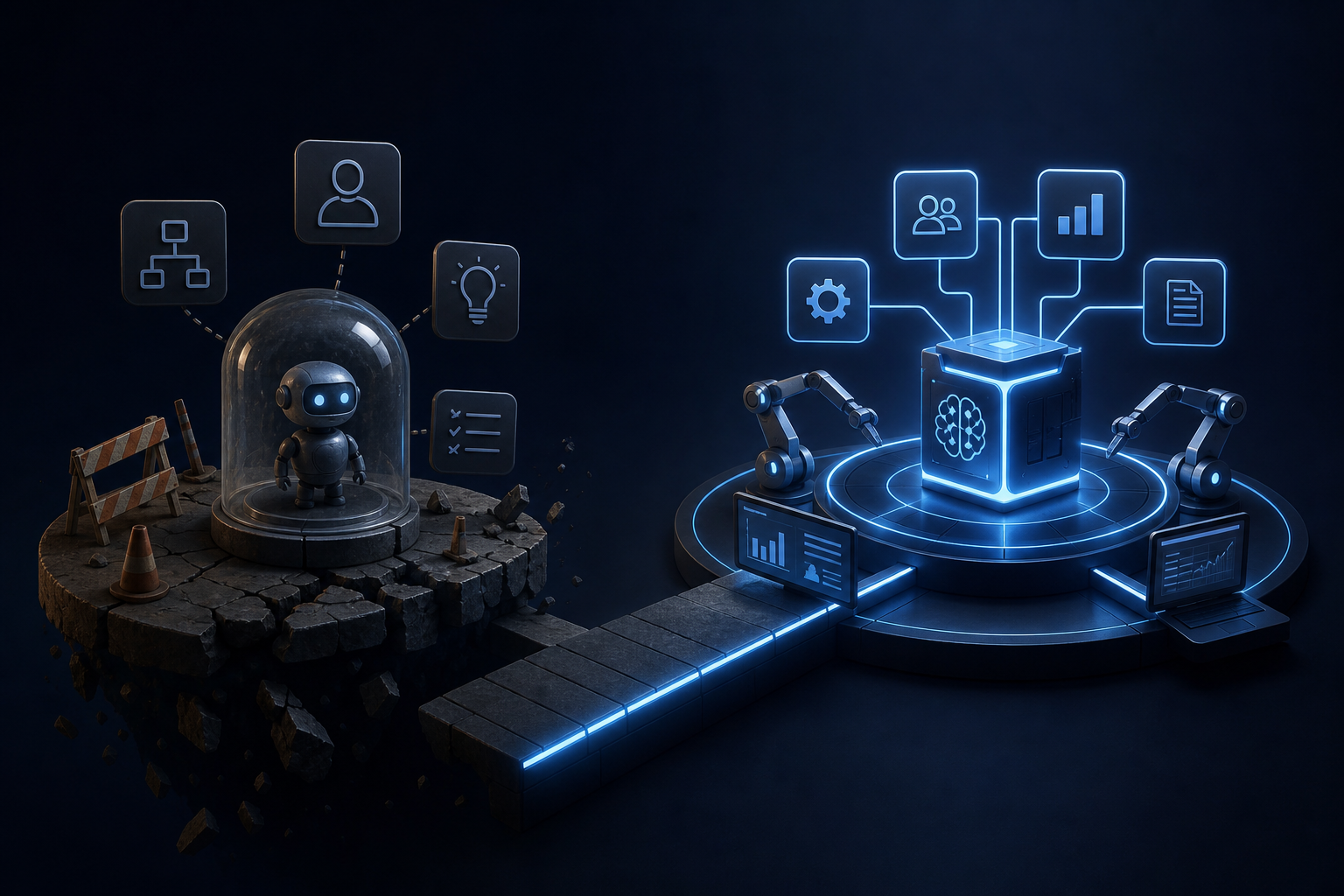
AI pilot program failure is almost always structural, not technical. Learn the four root causes and how embedded AI systems are built to avoid them.
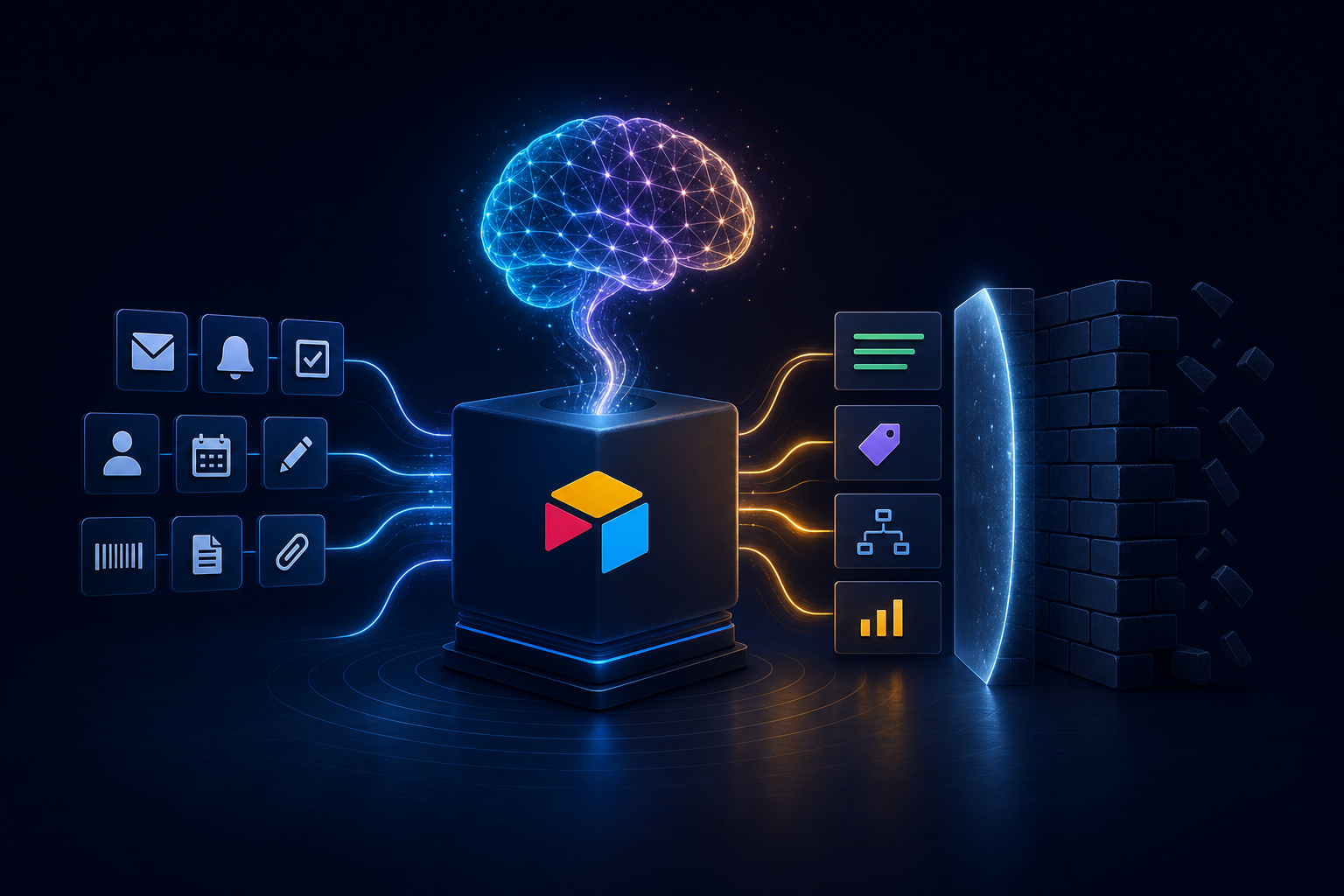
Airtable automation with AI can eliminate repetitive work — but it has real limits. Learn what's possible, where it breaks down, and how to plan around it.


