General
What Is an Agentic Workflow? How AI Agents Replace Manual Process Steps
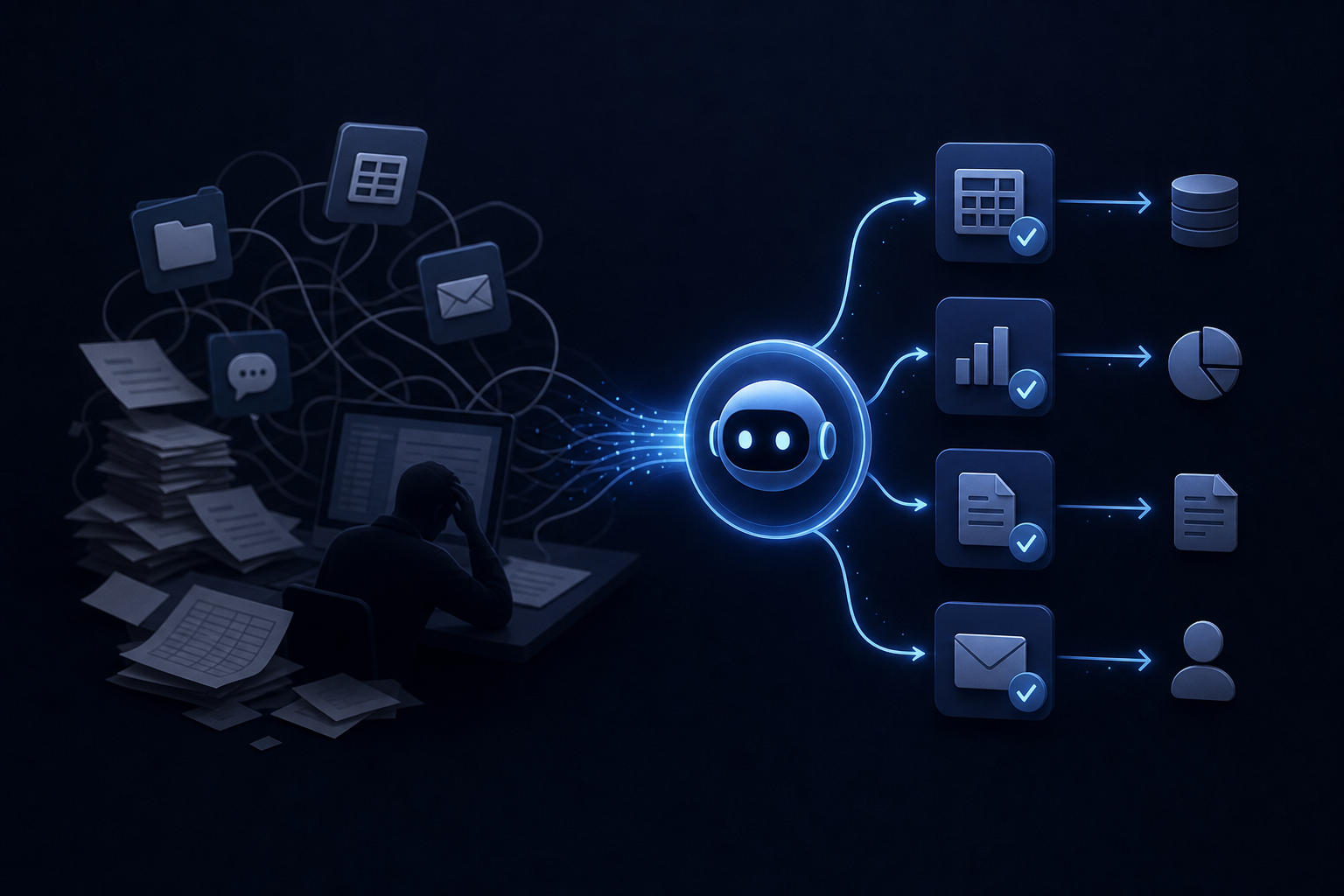
An agentic workflow lets AI agents plan and execute tasks without manual triggers. See how SMBs use them to replace repetitive process steps.
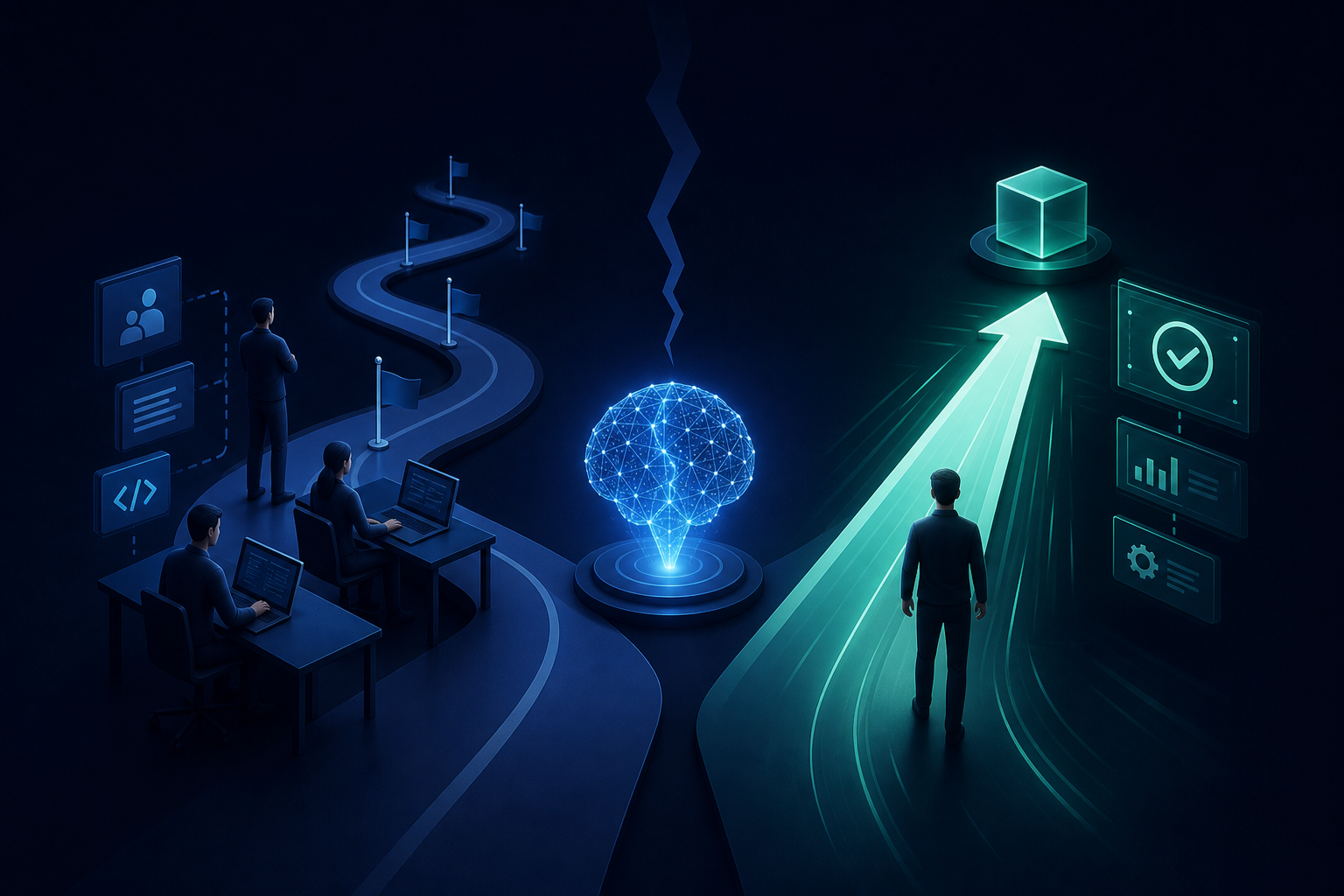
Looking for a UVIK alternative that ships faster? See how Singular Innovation's delivery-first model compares on timeline, ownership, and SMB fit.
If you're evaluating UVIK and looking for an alternative that ships faster and hands you full ownership of what gets built, this comparison should help. Both agencies operate in the AI and software space, but their delivery models, ownership structures, and ideal client profiles are fundamentally different — and those differences matter depending on where your business is right now.
This article breaks down how UVIK and Singular Innovation compare on delivery model, tech approach, ownership, and fit for SMBs that need a working system inside their existing stack — not a multi-month development engagement.
UVIK is a software development and staff augmentation firm. Its core offering is dedicated development teams — engineers, data scientists, and AI specialists placed inside a client's organization on an ongoing basis. The model is built for companies that need to extend their technical capacity over time, typically through monthly retainers or long-term contracts.
UVIK's AI services include machine learning development, data engineering, and custom software builds. The work is technically capable, but the delivery model is a different animal from a productized AI transformation engagement. You're hiring talent and capacity. The timeline to a working system depends on how quickly that team can scope, build, and iterate — which in practice means months, not weeks.
That works well for companies with an internal product roadmap, a technical lead who can manage an external team, and the runway for a longer build cycle. It's a harder fit for an operations-heavy SMB that needs a specific workflow automated now, with a fixed scope and a real delivery date.
Staff augmentation agencies are optimized for sustained engagement, not fast deployment. The value compounds over time. But if you're searching because a manual process just broke, a key employee walked out the door, or a competitor automated something you still do by hand — a long-term team placement doesn't solve the immediate problem.
That's the gap where a delivery-first model becomes relevant.
Singular Innovation is an AI transformation agency that builds and deploys working AI systems inside a client's existing tech stack. The deliverable is a functioning first release — automated workflows, consolidated data infrastructure, and deployed AI agents — shipped within 10 business days.
Singular describes this as a "second brain" for the business: a system that executes inside your operations rather than sitting alongside them. That distinction matters. It's not a prototype or a proof of concept. It runs inside the tools you already use.
At the end of every engagement, the client owns everything: workflows, prompts, automations, code, and documentation. No retainer required to keep it running. No proprietary tooling that locks you in. No IP that stays with the agency.
The 10-day window applies to a scoped working first release, not a full enterprise overhaul. That framing is important. Singular's approach is to identify the highest-value workflow to automate first, build and deploy it fast, and give the client something real to operate before expanding scope.
That's the opposite of the "strategy first, build later" model most agencies follow. Singular's AI Strategy and Operating Roadmap service is designed to surface that first high-value target quickly, so the build phase starts with a clear brief rather than months of discovery.
Based on publicly available competitor messaging as of August 2026, a hard 10-business-day commitment for a working first release isn't something named competitors have publicly claimed for a full system. AY Automate, one of Singular's closest competitors in positioning, delivers single workflows in one to two weeks — but full systems in four to eight weeks.
The differences between UVIK and Singular Innovation aren't just about speed. They reflect different assumptions about what a client actually needs and how AI value gets delivered.
UVIK's model is built for sustained engagement. UVIK publishes its own timeline for this: 48 hours from signed scope to matched profiles, and about two weeks to an engineer embedded in your team. From there, the engineer still has to learn your systems before output starts. For a custom AI system, realistic timelines run from several months to over a year depending on scope and team size.
Singular's model is built for fast deployment of a scoped first release. Ten business days is the stated commitment for a working system embedded in the client's existing stack.
With staff augmentation, ownership of what gets built typically depends on the contract. Some firms retain rights to reusable components or require ongoing access to maintain systems. The specifics vary.
Singular's ownership model is explicit: the client owns everything built. Workflows, prompts, automations, code, documentation — all of it transfers at the end of the engagement. No retainer required.
UVIK builds custom software, meaning the stack is often purpose-built for the engagement. That gives flexibility for complex, greenfield builds but can create dependency on the agency for ongoing changes.
Singular embeds inside the client's existing stack. The tools you already use — Airtable, Slack, your CRM, your project management system — become the operating environment for the AI system. Singular is an Official Partner of Airtable and FlutterFlow and a Certified Partner of Vercel, which means the integrations are deep and tested rather than improvised.
UVIK's model fits companies with internal technical leadership, a longer-term product vision, and the organizational capacity to manage an external development team. That's typically a mid-market or enterprise profile.
Singular's model is designed specifically for SMBs with 10 to 200 employees that are scaling manually and approaching the ceiling of headcount-driven growth. The Overloaded Operator — a founder, COO, or Head of Operations holding the business together with spreadsheets and Slack — is the explicit target. The engagement is scoped to match that reality: contained, fast, and fully owned at the end.
UVIK is a strong option if you need to extend your technical team over a longer horizon, have a technical lead who can manage external engineers, and are building toward a product rather than automating an existing operational workflow. If your roadmap is a 12-month software build and you need reliable engineering capacity, staff augmentation is a reasonable model. UVIK has a track record in that space.
Singular fits better when the problem is operational rather than product-oriented. If you're running a process manually that a competitor has already automated, if a key employee just left and took a workflow with them, or if your team is spending hours on tasks that should take minutes — the priority is speed to a working system, not a long-term team placement.
Singular's client roster includes Disney Planet Love, Burger King, Invercorp, Osmo Wallet, Globales, Ediphi, MAV AI, Travelry, Forge, Charli Charging, Galaxies, Shotlist, Rebrief, Chaine, and Fibbo. The range of industries suggests the model applies across operational contexts, not just tech companies.
The entry point is a free AI readiness audit or an AI Transformation Assessment — both designed to surface the highest-value workflow to automate first before any build commitment is made. The primary next step is booking a Strategy Call.
Singular was also recognized in a published post as a top 10 global AI agency in 2026, which adds external validation to the delivery model claims.
One dimension that rarely gets enough attention in agency comparisons is what happens after the engagement ends. Most buyers focus on timeline and cost. Fewer ask who owns what when the project closes.
With staff augmentation, the answer depends on contract terms and can vary significantly. With Singular, the answer is always the same: you own everything. That means you can modify the system, hand it to an internal team, or bring in a different vendor to extend it — without asking permission or paying a retainer.
For an SMB that's already been burned by a vendor who built something they couldn't maintain or modify, that clarity is worth more than it might seem upfront.
The Claude AI Skills Library at singular-innovation.com/claude-ai-skills-library is one example of how Singular makes deployable AI workflows accessible rather than proprietary. Pre-built workflows for real business operations are available as a starting point, compressing the time from brief to deployed system even further.
If you're searching for a UVIK alternative specifically because you want faster delivery, clearer ownership, or a model built for operational automation rather than software development, the comparison above gives you a useful frame.
Agencies that position themselves as UVIK alternatives tend to fall into two categories: other staff augmentation firms with slightly different rate structures, and delivery-first agencies that operate on a different model entirely. Singular sits in the second category. The model, the timeline, and the ownership structure aren't just incrementally different from UVIK — they're structurally different.
What is the main difference between UVIK and Singular Innovation?
UVIK is a staff augmentation and software development firm that places dedicated teams for long-term engagements. Singular Innovation is a delivery-first AI transformation agency that ships a working first release within 10 business days, embedded inside the client's existing tech stack. The models serve different needs and timelines.
Does Singular Innovation work with small businesses?
Yes. Singular's primary audience is SMBs with 10 to 200 employees that are scaling manually and need operational workflows automated quickly. The model is specifically designed for founders, COOs, and operations leads who want a working system — not a strategy document.
Who owns the AI system after Singular builds it?
The client owns everything: all workflows, prompts, automations, code, and documentation. Ownership transfers at the end of the engagement with no retainer required to maintain access.
How long does it take Singular Innovation to deliver a working system?
Singular's stated commitment is a functioning first release within 10 business days. This applies to a scoped first release, not a full enterprise transformation. Scope is defined during the strategy phase before the build begins.
What tools does Singular Innovation build inside?
Singular embeds inside the client's existing stack. The agency is an Official Partner of Airtable and FlutterFlow and a Certified Partner of Vercel. The system runs inside the tools the client already uses rather than requiring a new platform.
What is the entry point for working with Singular Innovation?
Singular offers a free AI readiness audit and an AI Transformation Assessment as no-commitment entry points. The primary next step is booking a Strategy Call to define scope and identify the highest-value workflow to automate first.
Is UVIK a good fit for operational AI automation?
UVIK's model is better suited to companies building software products over a longer horizon with internal technical leadership. For operational automation — replacing manual workflows with AI-executed steps quickly — a delivery-first model like Singular's is typically a better fit.
If you need to extend a technical team over 12 months and have the internal capacity to manage that relationship, UVIK is a credible option. If you need a working AI system inside your existing operations within two weeks — owned entirely by you, with no retainer required to keep it running — the model is different.
Singular Innovation is built for the second scenario. The 10-business-day commitment, the full ownership transfer, and the embedded approach are structural features of the model, not marketing language.
If a manual process is already costing you time or headcount you can't afford, the Strategy Call at singular-innovation.com is the right place to start.
An agentic workflow lets AI agents plan and execute tasks without manual triggers. See how SMBs use them to replace repetitive process steps.
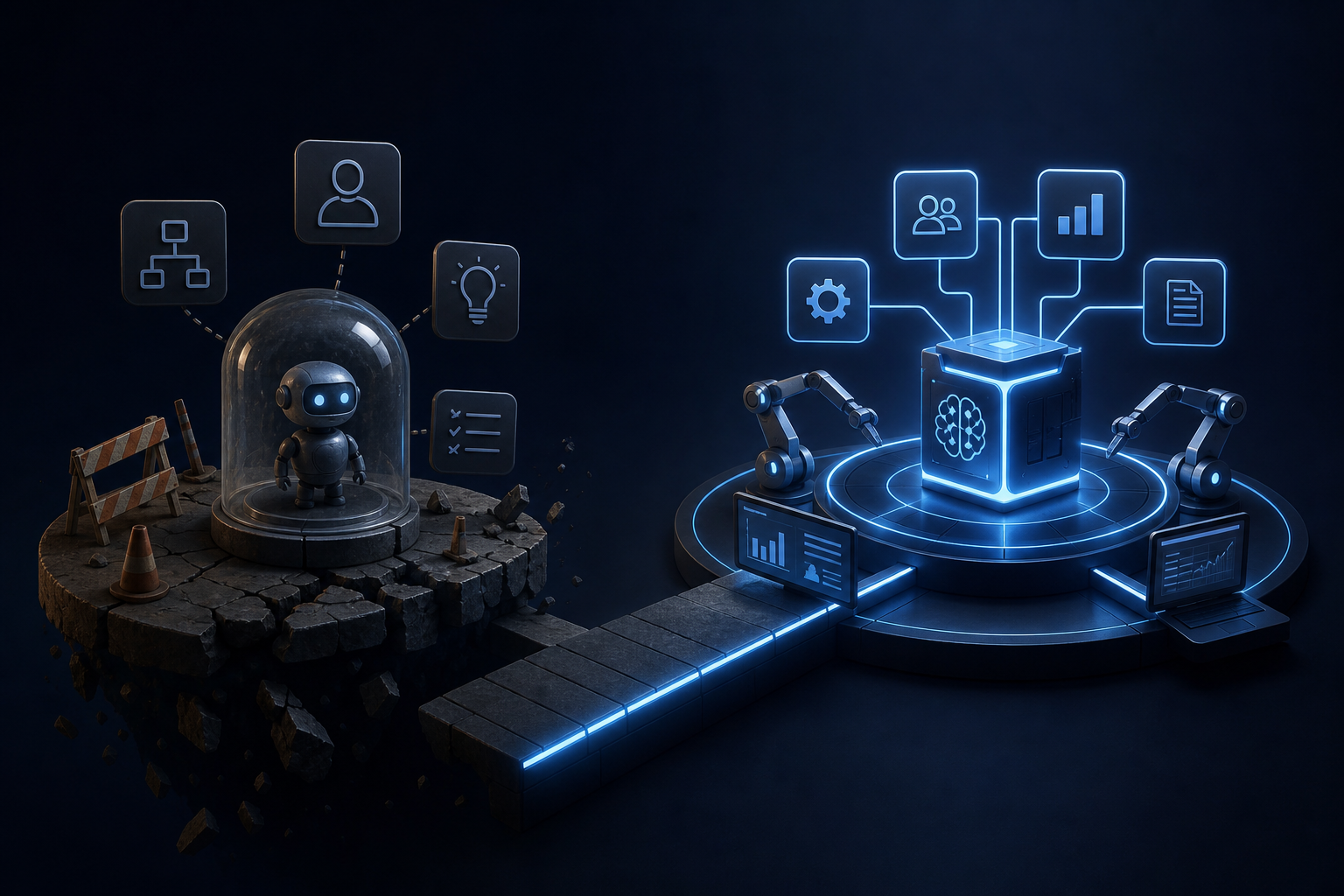
AI pilot program failure is almost always structural, not technical. Learn the four root causes and how embedded AI systems are built to avoid them.
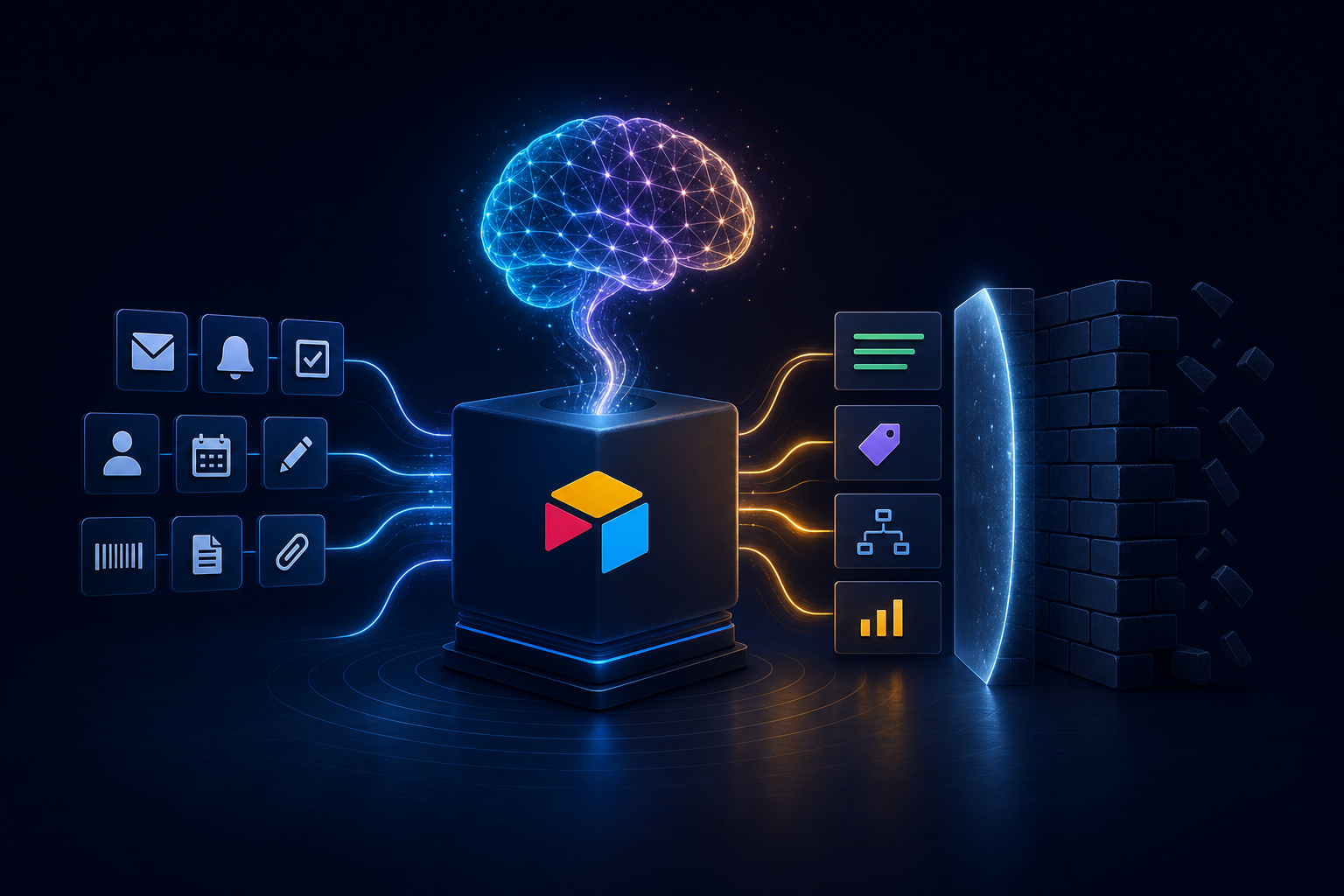
Airtable automation with AI can eliminate repetitive work — but it has real limits. Learn what's possible, where it breaks down, and how to plan around it.


