



ai-automation
Autonomous Workflows. AI That Runs Operations
Autonomous workflows allow AI to coordinate tasks, decisions, and actions across systems. This shift moves businesses from manual processes to intelligent, self-operating workflows.
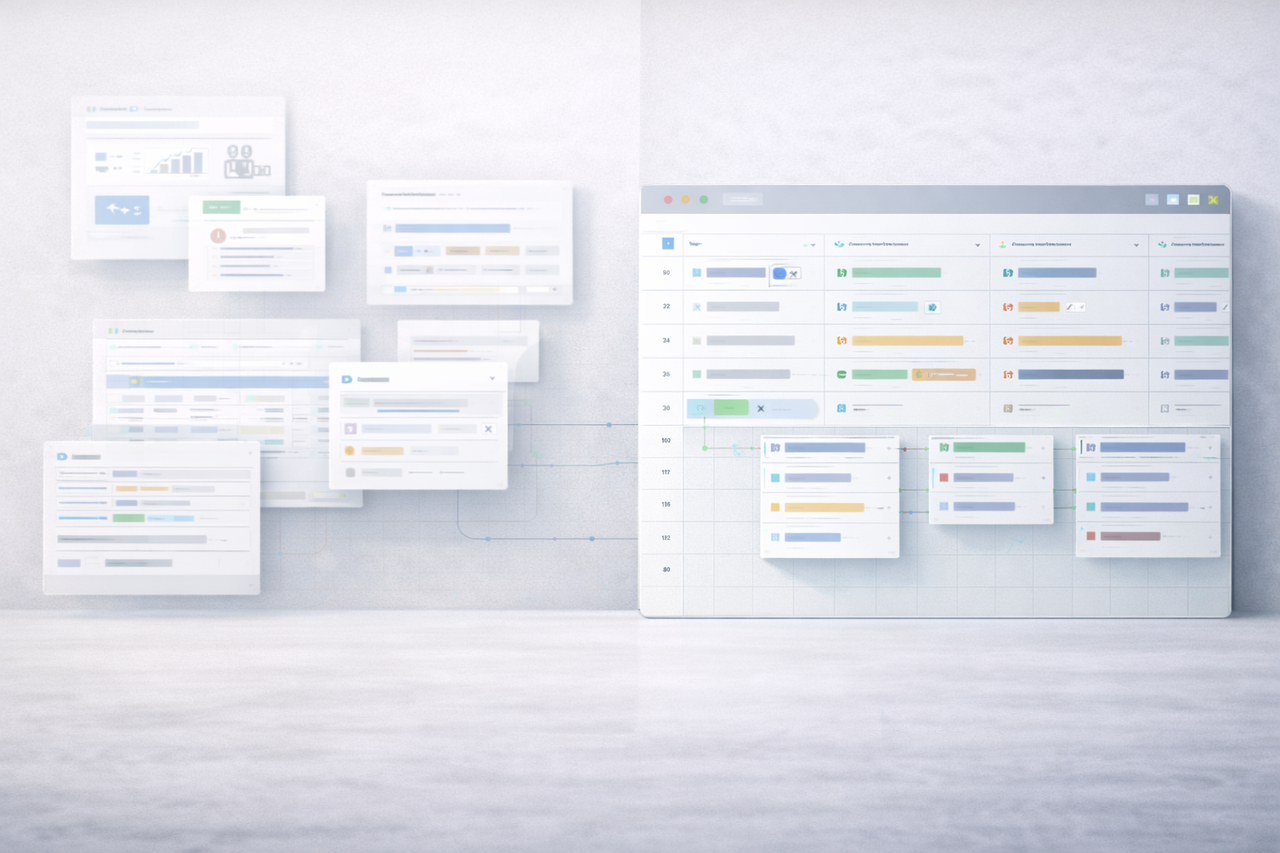
Replacing software rarely delivers digital transformation. SMBs achieve real results by automating workflows that connect systems, teams, and execution across the organization.
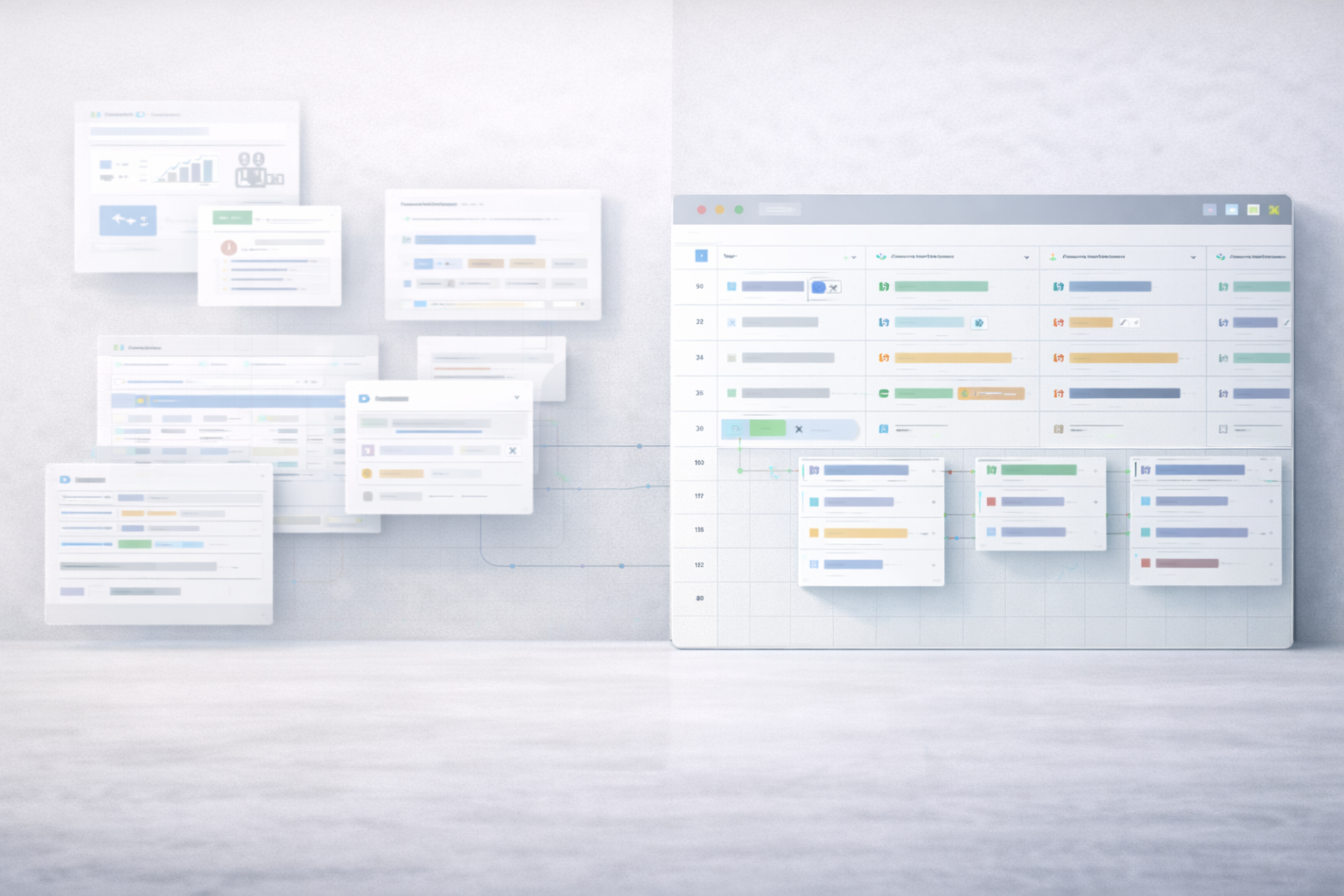
Digital transformation succeeds when workflows are automated, not when tools are replaced.
When SMBs decide to pursue digital transformation, the conversation often begins with software.
A new CRM.
A new ERP.
A new project management platform.
The assumption is that replacing tools will fix execution problems.
In practice, it rarely does.
Processes remain unclear. Handoffs still fail. Data becomes fragmented again, just inside a different system.
Digital transformation does not fail because the software was wrong.
It fails because workflows were never redesigned.
For a neutral, baseline definition of digital transformation as an organizational change, not a tooling exercise, see:
https://en.wikipedia.org/wiki/Digital_transformation
Replacing software is disruptive by nature.
It requires:
Data migration
User retraining
Process redefinition
Temporary productivity loss
Yet even after this investment, execution issues often persist.
Why?
Because most problems are workflow problems, not software problems.
Software replacement treats symptoms. Workflow automation addresses causes.
Software replacement assumes:
A new tool will enforce better processes
Standard features equal best practices
Adoption equals transformation
This approach externalizes responsibility to the tool.
When results disappoint, teams blame adoption instead of structure.
Workflow automation starts from a different premise.
It asks:
How does work actually move today?
Where does it slow down or break?
Where does manual coordination exist?
Automation is then applied to existing execution paths, improving flow without disrupting the entire system.
This is the core principle behind business process automation, where value comes from redesigning how work flows, not from replacing systems wholesale:
https://en.wikipedia.org/wiki/Business_process_automation
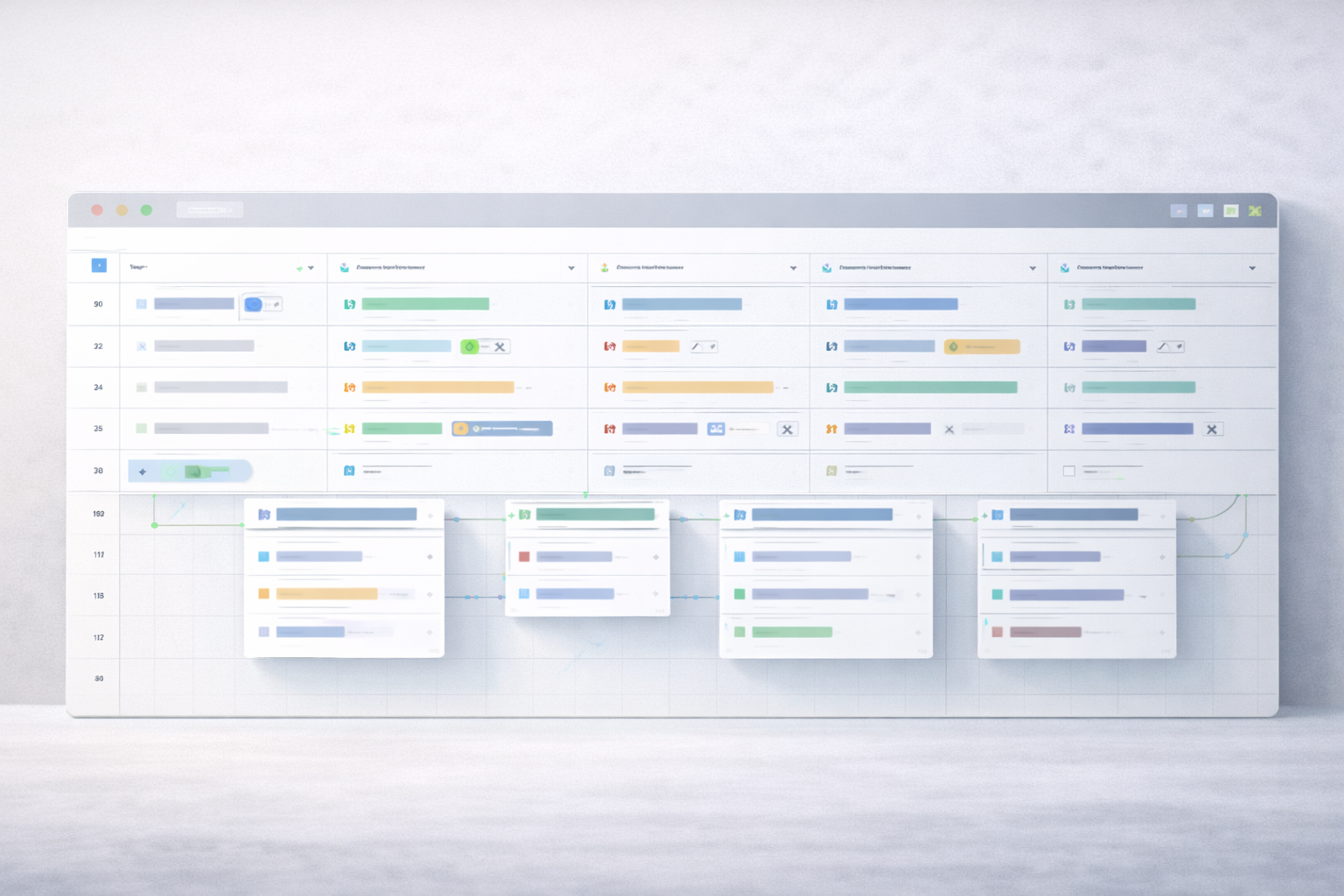
Automation creates value when it connects systems instead of replacing them.
Digital transformation is visible when:
Work moves faster with fewer handoffs
Errors decrease
Ownership becomes explicit
Systems remain understandable as volume grows
Workflow automation directly affects these outcomes.
Software replacement does not guarantee any of them.
Most SMBs already use multiple tools that work reasonably well.
Replacing all of them introduces risk without solving coordination.
Workflow automation:
Connects existing systems
Preserves institutional knowledge
Reduces dependency on any single tool
This allows transformation to happen incrementally instead of all at once.
SMBs operate under constraints:
Limited change bandwidth
Lean teams
High dependency on key people
Large system replacements amplify risk.
Workflow automation allows SMBs to:
Improve execution without halting operations
Test improvements incrementally
Scale with control
This makes transformation survivable, not theoretical.
Digital transformation does not live in dashboards or feature lists.
It lives in:
How work is initiated
How it moves between teams
How decisions are made
How exceptions are handled
Workflow automation restructures these mechanics directly.
Software replacement only changes the container.
Results often include:
New interfaces with old habits
Manual work recreated inside the new tool
Fragmentation returning within months
The system looks modern but behaves the same.
Results typically include:
Clearer ownership
Faster execution
Reduced coordination overhead
Higher system trust
Transformation emerges from behavior change, not tooling novelty.
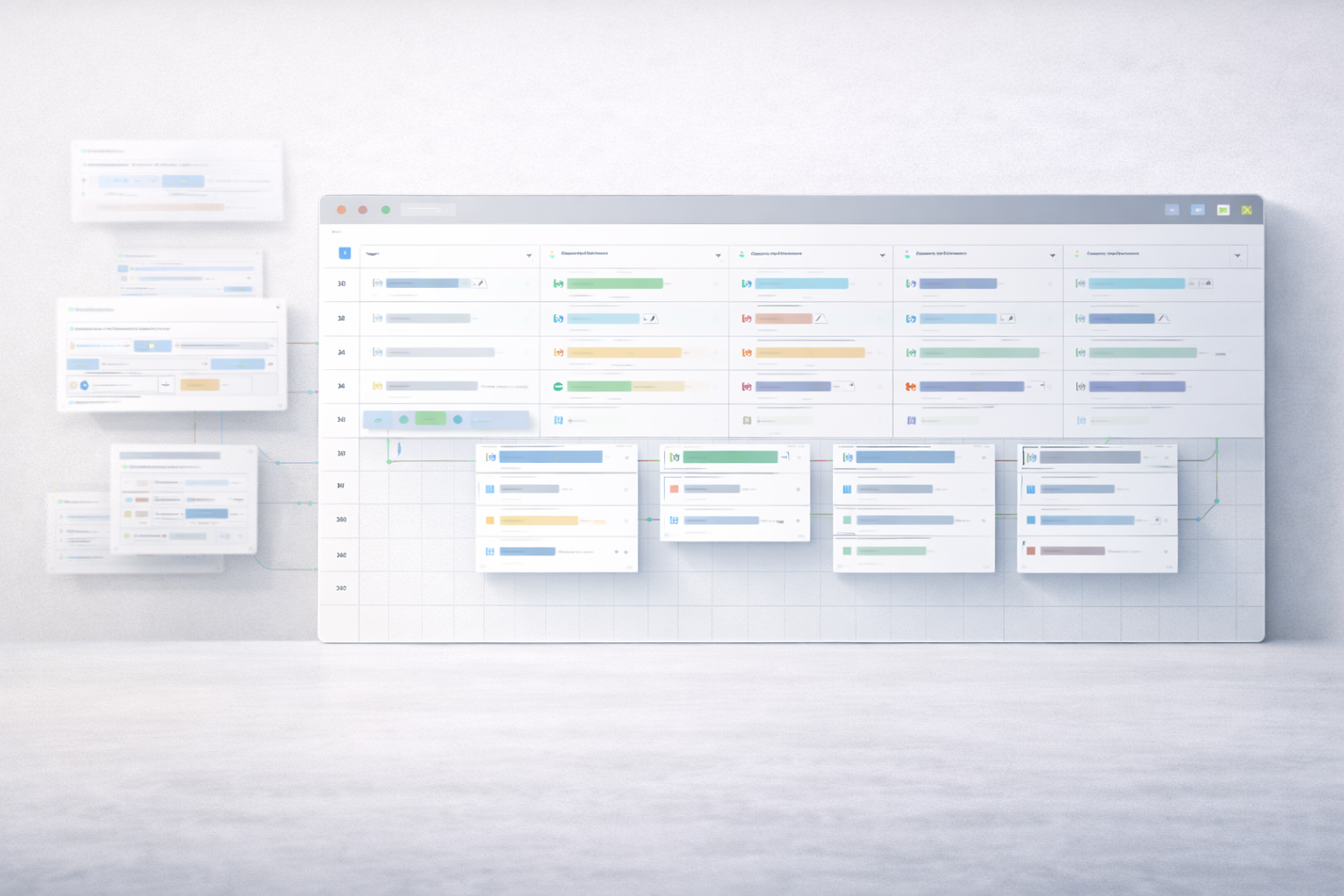
Replacing software changes tools. Automating workflows changes execution.
Automating workflows first creates clarity.
Teams understand:
What the system actually needs to support
Which tools are essential
Which tools can be retired naturally
This reverses the usual sequence and leads to better long-term decisions.
Platforms designed around workflows rather than rigid software categories enable this approach.
By allowing workflows, data, and automation to coexist:
Systems remain flexible
Execution remains visible
Scaling does not require replacement
This makes workflow automation a foundation, not an add-on.
At Singular Innovation, workflow automation is used as the primary transformation lever.
The approach is consistent:
Map real workflows
Identify execution friction
Automate flow, not tools
Avoid unnecessary software replacement
This minimizes risk while maximizing operational impact.
Learn more at
https://www.singular-innovation.com/
Explore partners aligned with this execution-first approach at
https://www.singular-innovation.com/partners
See real transformation examples at
https://www.singular-innovation.com/success-stories
It does not.
Behavior changes when workflows change, not when interfaces change.
Automation is an operational design decision.
Without workflow clarity, automation amplifies dysfunction.
Incremental workflow automation produces more durable results than disruptive replacements.
Digital transformation fails when organizations focus on replacing tools instead of redesigning work.
Workflow automation delivers transformation because it:
Improves execution directly
Preserves operational continuity
Scales without fragmentation
Software can change later.
Workflows must change first.
If your digital transformation efforts are centered on replacing software but execution issues persist, the problem is likely workflow-related.
Schedule a discovery call to evaluate how workflow automation can drive real digital transformation without unnecessary system replacement.
Autonomous workflows allow AI to coordinate tasks, decisions, and actions across systems. This shift moves businesses from manual processes to intelligent, self-operating workflows.

Dashboards show what happened. AI operations systems decide and act on what should happen next. This shift is redefining how companies run their day to day operations.

LLMs are powerful, but prompts alone do not create business impact. Real value comes from embedding LLMs into workflows that connect data, decisions, and actions across systems.


