
ai-automation
Autonomous Workflows. AI That Runs Operations
Autonomous workflows allow AI to coordinate tasks, decisions, and actions across systems. This shift moves businesses from manual processes to intelligent, self-operating workflows.
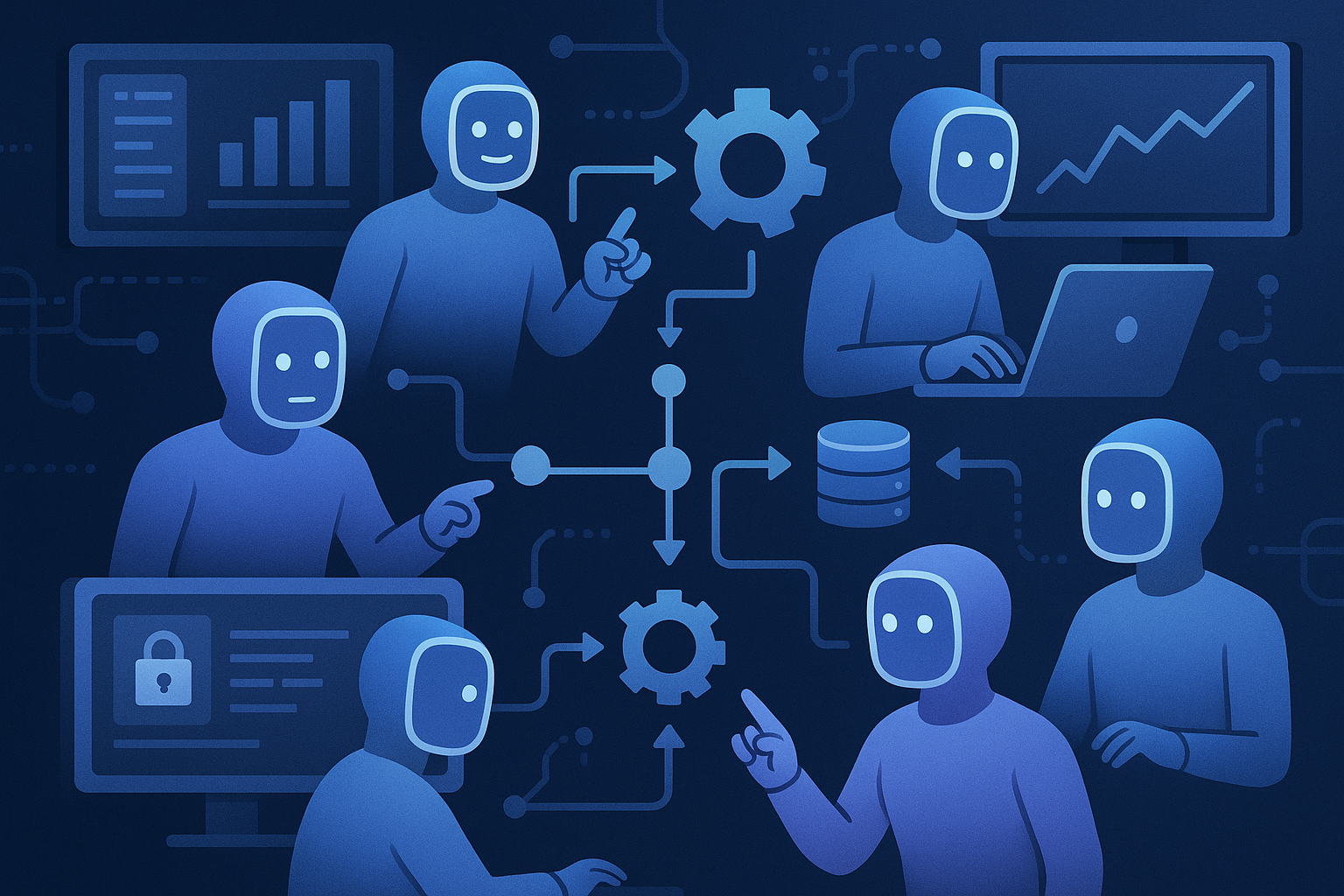
Discover what AI agents are, how they work, and real-world examples across industries. Learn how to implement them in your workforce to boost efficiency, cut costs, and stay competitive in the AI-powered economy.
Artificial Intelligence (AI) has been transforming industries at a rapid pace, and one of the most exciting developments within this space is the rise of AI agents. These intelligent systems are changing how businesses operate, making processes more efficient and enhancing decision-making. But what exactly is an AI agent? How can it be applied in real-world scenarios, and what steps should companies take to bring AI agents into their workforce? This article dives deep into the meaning of AI agents, showcases practical examples, and offers guidance on implementation strategies.
At its core, an AI agent is a software entity that perceives its environment, processes information, and takes actions to achieve specific goals. Unlike traditional software that follows rigid instructions, AI agents exhibit a level of autonomy and adaptability, allowing them to respond intelligently to changing circumstances.
Think of an AI agent as a digital assistant with the ability to learn, make decisions, and interact with users or other systems. These agents can range from simple chatbots answering customer queries to complex autonomous systems managing supply chains or financial portfolios. The versatility of AI agents allows them to be deployed across various industries, including healthcare, finance, and entertainment, where they can streamline operations and enhance user experiences.
In healthcare, for example, AI agents can analyze patient data to provide personalized treatment recommendations or assist in diagnosing conditions by comparing symptoms against vast medical databases. In finance, they can monitor market trends and execute trades at lightning speed, capitalizing on fleeting opportunities that human traders might miss. This adaptability not only increases efficiency but also opens up new avenues for innovation and service delivery.
To better grasp what makes an AI agent unique, here are some defining traits:
These characteristics enable AI agents to operate in dynamic environments where they can assess situations, make informed decisions, and execute actions that align with their objectives. For instance, in customer service, an AI agent can analyze customer sentiment during interactions and adjust its responses accordingly, providing a more tailored and satisfying experience. This level of engagement not only enhances user satisfaction but also builds trust in the technology, encouraging further adoption.
AI agents come in various forms, depending on their complexity and purpose. Some common types include:
Each type of AI agent serves distinct functions and is suited to different tasks. For example, simple reflex agents might be ideal for straightforward tasks like temperature regulation in smart homes, where immediate responses are necessary. In contrast, learning agents are particularly valuable in environments where conditions frequently change, such as online retail, where they can adapt to consumer behavior trends and optimize product recommendations. This diversity in design and function highlights the growing importance of AI agents in our increasingly automated world.
AI agents are no longer confined to futuristic concepts; they are actively shaping various industries today. Here are some compelling examples that highlight their versatility and impact.
One of the most widespread applications of AI agents is in customer service. Chatbots powered by natural language processing (NLP) can understand and respond to customer inquiries 24/7, providing quick resolutions and freeing up human agents for more complex tasks.
These AI agents can handle a range of interactions—from answering FAQs to processing orders—improving customer satisfaction while reducing operational costs.
Virtual assistants like Siri, Alexa, and Google Assistant are AI agents designed to help users with everyday tasks. They can schedule appointments, control smart home devices, provide weather updates, and even engage in casual conversation.
Businesses are also leveraging similar AI agents internally to help employees manage calendars, set reminders, and streamline workflows.
Self-driving cars are a sophisticated example of AI agents operating in dynamic, real-world environments. These agents perceive their surroundings using sensors and cameras, process vast amounts of data in real-time, and make split-second decisions to navigate safely.
While still evolving, autonomous vehicles promise to revolutionize transportation and logistics sectors.
AI agents are increasingly used to optimize supply chains by forecasting demand, managing inventory, and coordinating shipments. These systems analyze historical data and external factors like weather or market trends to make proactive decisions, reducing waste and improving efficiency.
In the finance industry, AI agents execute trades based on market analysis and predefined strategies. These bots can operate continuously, react to market changes faster than humans, and help maximize returns or minimize risks.
Adopting AI agents in the workplace offers numerous advantages that can transform how businesses operate and compete.
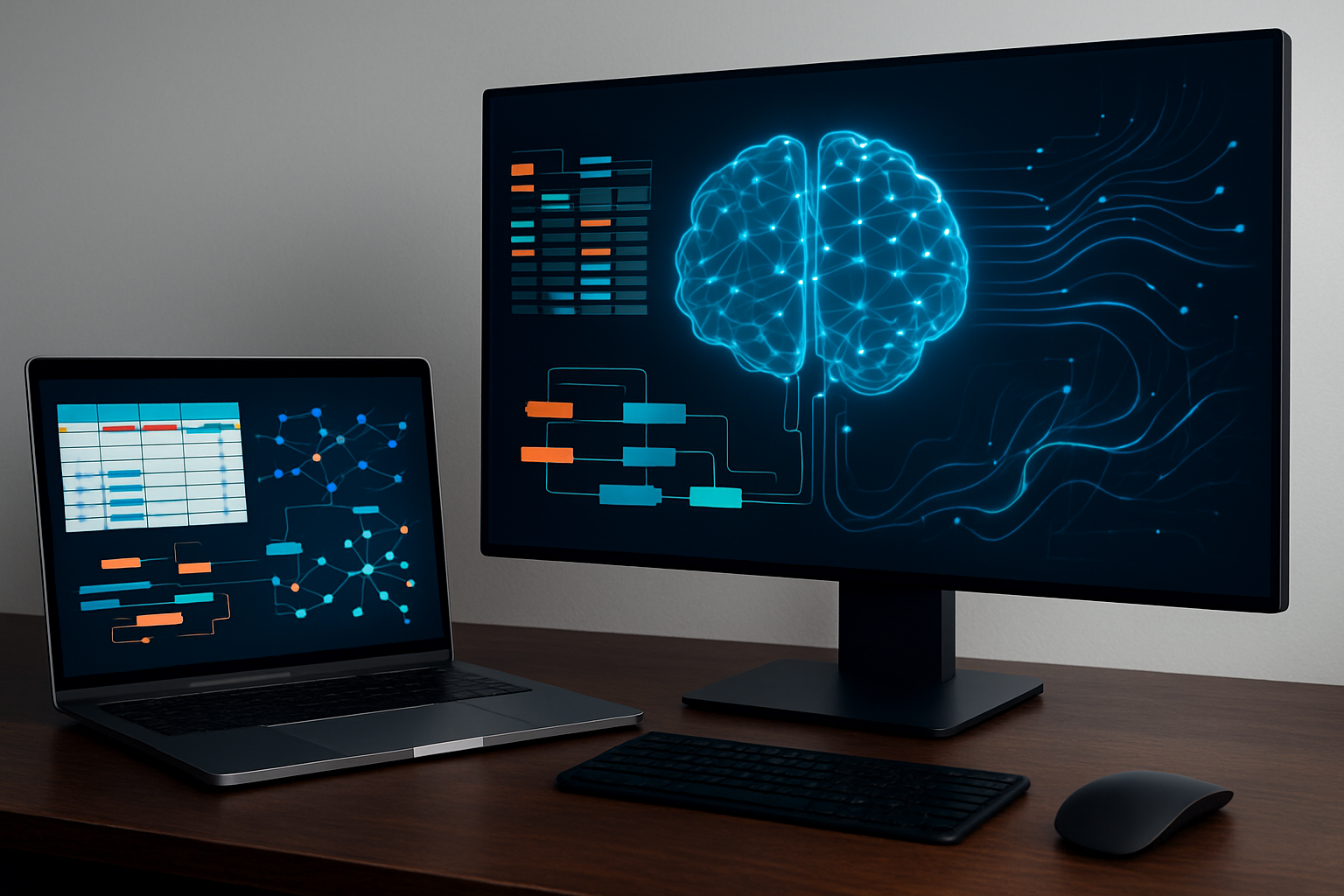
AI agents can automate repetitive, time-consuming tasks, allowing employees to focus on higher-value activities. For example, automating data entry, scheduling, or initial customer interactions can significantly speed up workflows.
By analyzing large datasets and identifying patterns, AI agents provide insights that help managers make better-informed decisions. This leads to improved strategies, reduced errors, and more agile responses to market changes.
Automation through AI agents can lower operational costs by minimizing the need for manual labor, reducing errors, and optimizing resource allocation.
AI agents enable personalized, timely, and consistent interactions with customers. Whether through chatbots or recommendation systems, they help build stronger relationships and increase customer loyalty.
AI agents can handle increasing volumes of work without a proportional increase in human resources, making it easier for businesses to scale operations.
Introducing AI agents into an organization requires thoughtful planning and execution. Here’s a step-by-step guide to help businesses successfully integrate AI agents.
Start by pinpointing areas where AI agents can add the most value. This could be customer support, process automation, data analysis, or any function that involves repetitive tasks or large volumes of data.
Define clear objectives, such as reducing response times, improving accuracy, or increasing throughput, to measure success later.
Evaluate your organization’s current technology infrastructure, data quality, and workforce skills. Successful AI implementation depends on having reliable data and the ability to manage AI systems.
Consider whether you have in-house expertise or need to partner with AI vendors or consultants.
Select AI platforms or tools that align with your use cases and technical requirements. For example, if you want to deploy chatbots, look for solutions with strong natural language understanding capabilities.
Open-source frameworks, cloud-based AI services, and customizable platforms offer various options depending on budget and complexity.
Building an effective AI agent involves training it on relevant datasets and fine-tuning its algorithms. This process may require collaboration between data scientists, developers, and domain experts.
Ensure that the AI agent can handle diverse scenarios and edge cases to perform reliably in real-world conditions.
Before full-scale deployment, run pilot programs to test the AI agent in controlled environments. Gather feedback from users, monitor performance metrics, and identify areas for improvement.
Iterate on the design and functionality based on insights gained during the pilot phase.
Introducing AI agents changes workflows and roles. Provide training and support to help employees understand how to work alongside AI, leverage its capabilities, and address any concerns.
Fostering a culture of collaboration between humans and AI is crucial for long-term success.
Once deployed, continuously monitor the AI agent’s performance to ensure it meets objectives and adapts to evolving needs. Regular updates and maintenance are necessary to keep the system effective.
As confidence grows, expand AI agent applications to other departments or processes to maximize benefits.
While AI agents offer significant advantages, organizations should be mindful of potential challenges.

AI agents often process sensitive information, making data protection paramount. Ensure compliance with relevant regulations and implement robust security measures.
AI systems can inadvertently perpetuate biases present in training data. Regularly audit AI agents to detect and mitigate biased behavior.
Employees may resist adopting AI agents due to fear of job displacement or unfamiliarity. Transparent communication and involvement in the implementation process can ease transitions.
Developing and maintaining AI agents requires specialized skills and resources. Investing in talent or partnerships is often necessary.
As AI technology continues to evolve, AI agents will become even more capable and integrated into daily business operations. Advances in natural language processing, machine learning, and robotics will enable agents to handle increasingly complex tasks and collaborate seamlessly with humans.
Organizations that embrace AI agents thoughtfully will gain a competitive edge by enhancing productivity, innovation, and customer engagement. The key lies in balancing automation with human creativity and judgment to create a harmonious and effective workforce.
AI agents represent a powerful tool for businesses seeking to innovate and optimize operations. By understanding what AI agents are, exploring real-world examples, and following strategic steps to implement them, companies can unlock new levels of efficiency and value.
While challenges exist, careful planning, ethical considerations, and ongoing collaboration between humans and AI will pave the way for a future where AI agents are trusted partners in the workforce.
Whether you’re just beginning to explore AI or ready to deploy intelligent agents, the time to act is now. Embracing AI agents can transform your business and prepare it for the demands of tomorrow’s dynamic marketplace.
At Singular Innovation, we're committed to propelling your business into the future with AI-driven applications and websites. Our expertise in harnessing the potential of AI agents can help streamline your operations and give you a competitive edge. If you're looking to innovate and optimize with AI, don't hesitate.
Schedule a Call with us today and take the first step towards a smarter, faster, and more efficient business landscape.
Autonomous workflows allow AI to coordinate tasks, decisions, and actions across systems. This shift moves businesses from manual processes to intelligent, self-operating workflows.

Dashboards show what happened. AI operations systems decide and act on what should happen next. This shift is redefining how companies run their day to day operations.

LLMs are powerful, but prompts alone do not create business impact. Real value comes from embedding LLMs into workflows that connect data, decisions, and actions across systems.


